



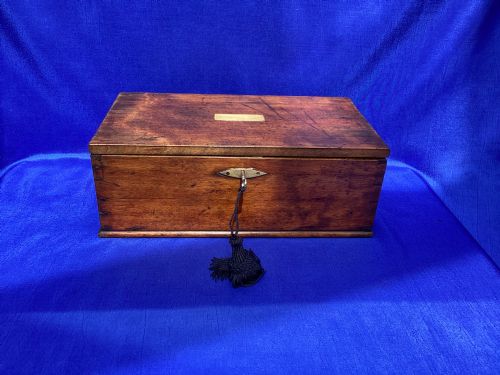
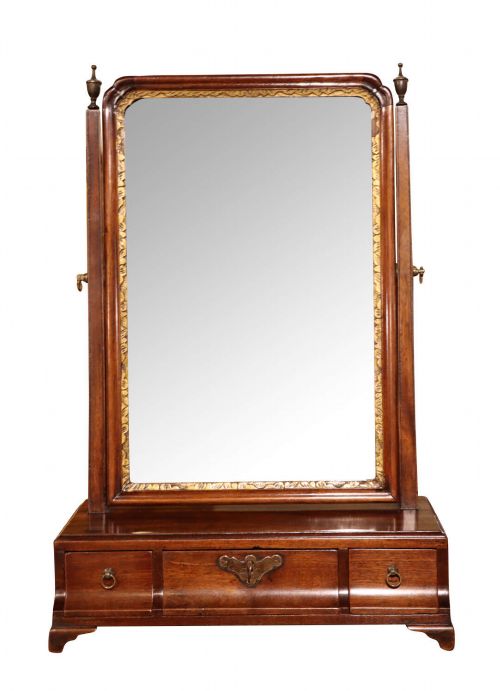


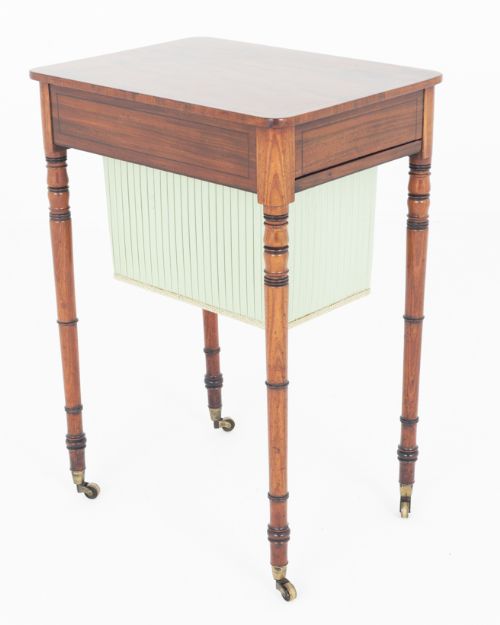

Nineteenth Century Mahogany Box
A nineteenth century mahogany box combines dense timber with purposeful design, serving everything from tea to correspondence.
Nineteenth Century Mahogany Box
When you search for a nineteenth century mahogany box, you encounter a wide variety of functional containers spanning writing slopes, tea caddies, and miniature chests. These pieces originate from distinct periods including the Georgian, Regency, and Victorian eras, reflecting the domestic habits of their time.
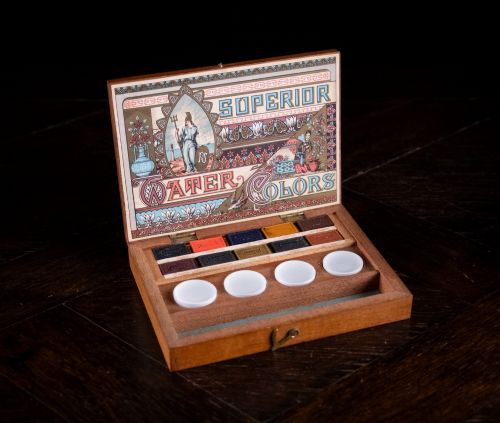
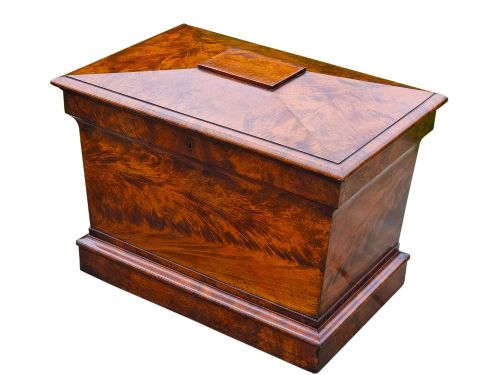
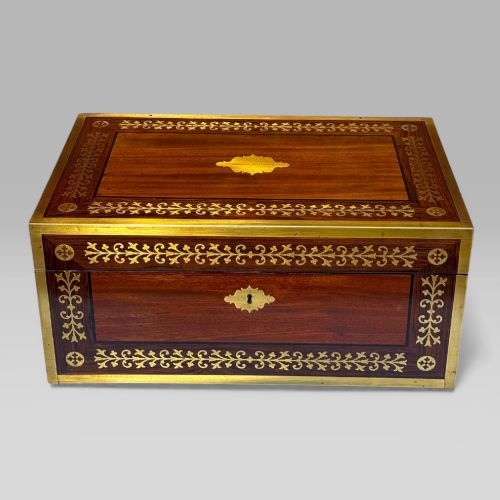
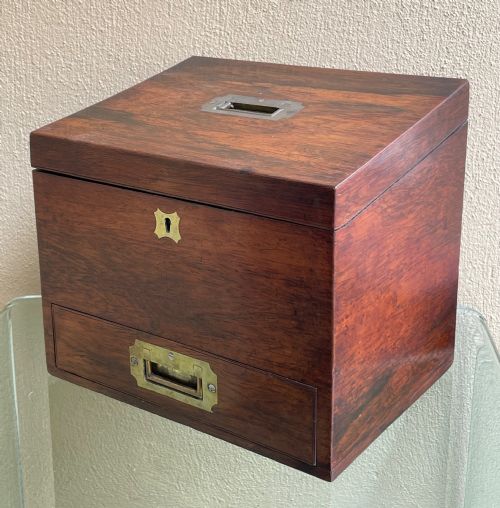
Writing slopes and correspondence boxes dominate the selections, alongside tea caddies in sarcophagus forms and miniature chests of drawers often termed apprentice pieces. You are most likely to meet campaign styles fitted with brass handles and corners designed for travel.
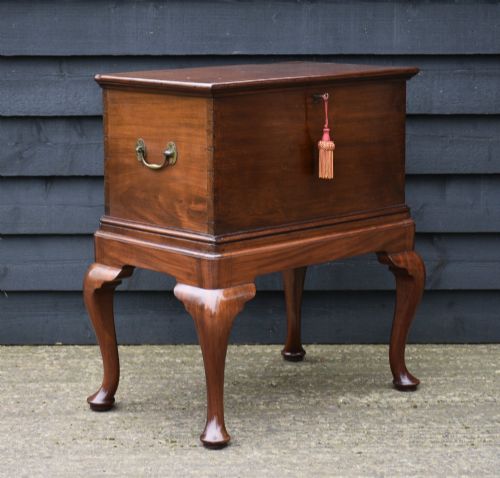
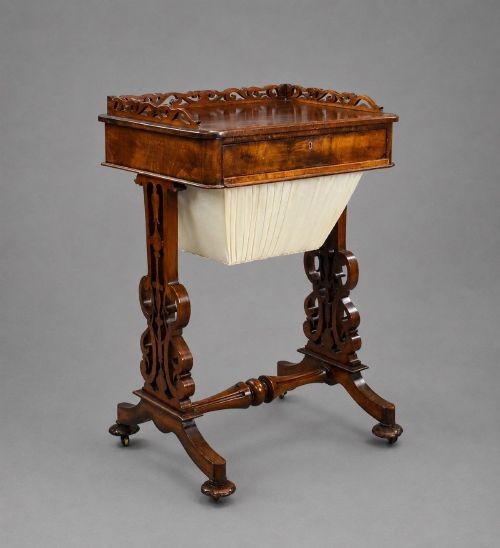
Originating across English country houses and workshops, these objects served specific storage needs such as sewing materials, tools, or bottled scents. Their forms range from simple occasional work tables to heavily mounted chests.
Materials and Technique
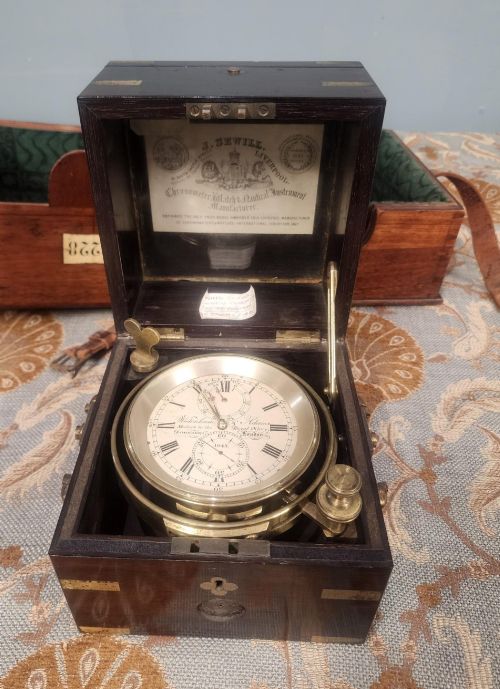
Makers utilised solid mahogany and flame mahogany veneer over secondary woods, often accentuating the exterior with contrasting rosewood or amboyna. Brass banding, corner brackets, and flush handles reinforced the structures, particularly on pieces intended for military or travel use.
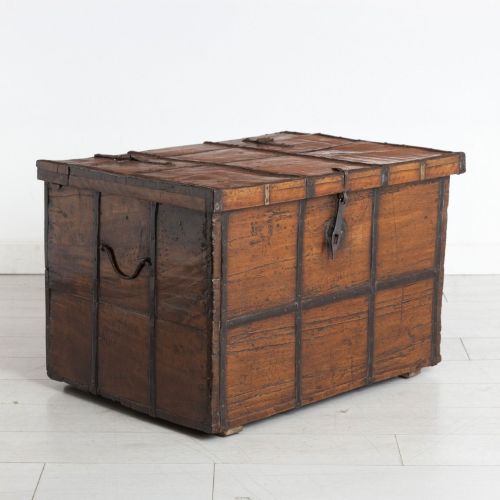
Interiors frequently received lavish treatments involving velvet linings, glass inkwells, and fitted compartments for stationery or cutlery. Structural iron or brass bindings added durability to trunks and toolboxes while defining the military aesthetic.
Nineteenth Century Mahogany Box Retail Price Guide 2026
Typical asking prices for nineteenth century mahogany box among the pieces listed under this phrase on Sellingantiques today, from the lower quarter to the upper quarter. They describe what is for sale here now, not the wider market.
Listings feature items from the Georgian, Regency, and Victorian periods, constructed from mahogany, brass, and flame mahogany veneer.
Distinctions in Standard
Quality separates through the crispness of the brass inlay, the precision of the mitred joints, and the selection of figured mahogany veneers. Superior examples display thoughtful interior arrangements with original velvet linings, secret drawers, and intact fitted glass or hardware.
The integrity of the construction and the subtlety of decorative details mark the division between standard utility boxes and exceptional pieces. Master makers applied fine hand-cut dovetailing and robust locking mechanisms that continue to function smoothly.
Holtzapffel and Co·Joseph Egg London·Hukin and Heath·W.E Hill
The Nineteenth Century Mahogany Box Glossary
- Writing slope
- A portable desk with a hinged sloping lid that opens to reveal a lined writing surface and inkwell compartments. These boxes often include concealed drawers for letters and nibs.
- Cellarette
- A fitted container or box designed to hold bottles of wine and spirits safely. Regency and Victorian versions frequently adopt a sarcophagus form with heavy brass mountings.
- Tea caddy
- A small lidded box constructed to store loose tea leaves, which were once a costly commodity. Interiors often feature partitioned compartments and mixing bowls.
- Apprentice piece
- A small-scale model of a chest of drawers or furniture item demonstrating a craftsman's skill. Miniature mahogany chests serve as prime examples of this practice.
- Flame mahogany veneer
- A sliced layer of timber displaying a distinctive flickering flame pattern derived from the branch junctions of the tree. It decorated the primary exterior surfaces of finer boxes.
Nineteenth Century Mahogany Box: Frequently Asked Questions
How were writing slopes used?
Writing slopes served as portable desks for correspondence, featuring a slanted lid that unfolded to create a flat or angled writing surface lined with fabric or leather.
Inside, owners stored stationery, inkwells, and pens within specialised compartments, making them essential accessories for travellers and home study.
How do I identify a Regency box?
Regency boxes typically display classical proportions, bold mahogany grain, and restrained brass inlay or lion mask handles. Sarcophagus shapes with pedestal or footed bases are common.
Cabinetmakers during this period favoured architectural lines and symmetrical arrangements over the heavier ornamentation found in later Victorian items.
How do I clean mahogany wood?
Maintain mahogany surfaces by dusting gently with a soft, dry cloth to remove particles that might scratch the polished timber or veneer. Avoid using silicone sprays or harsh chemical cleaners.
Occasional application of high-grade beeswax feeds the wood and preserves the deep lustre characteristic of nineteenth-century furniture finishes.