



Nineteenth Century Lounge
Nineteenth century lounge furniture brings together nineteenth century seating forms designed for resting and formal sitting, built from walnut, mahogany, and rosewood.
Nineteenth Century Lounge
A nineteenth century lounge search brings up a range of seating designed for nineteenth century domestic interiors, spanning armchairs, daybeds, and chaise longues. You will frequently encounter Victorian and French revival pieces alongside English upholstered chairs from the period.
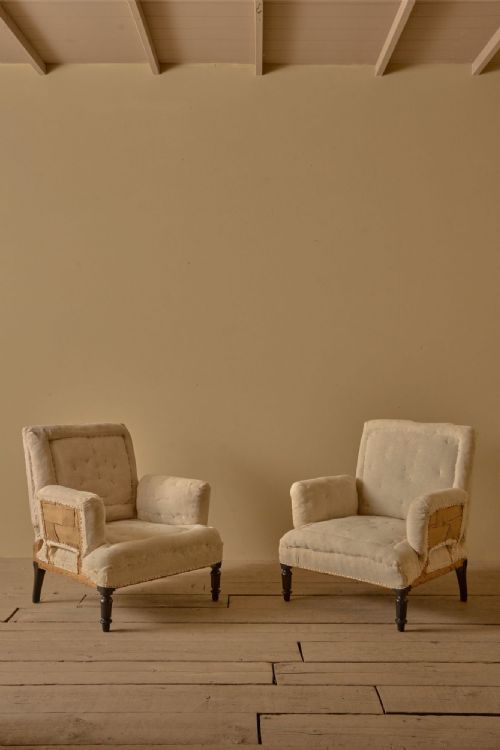
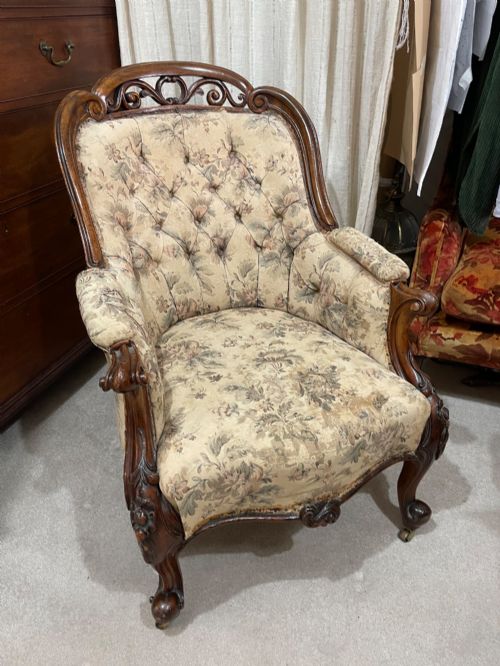
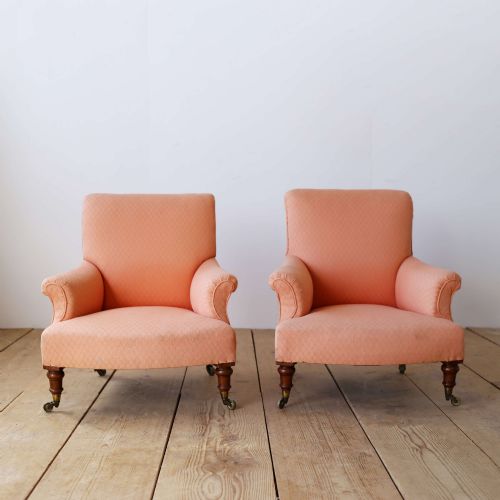
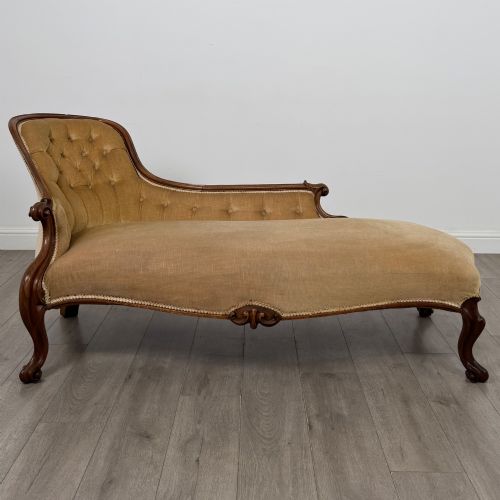
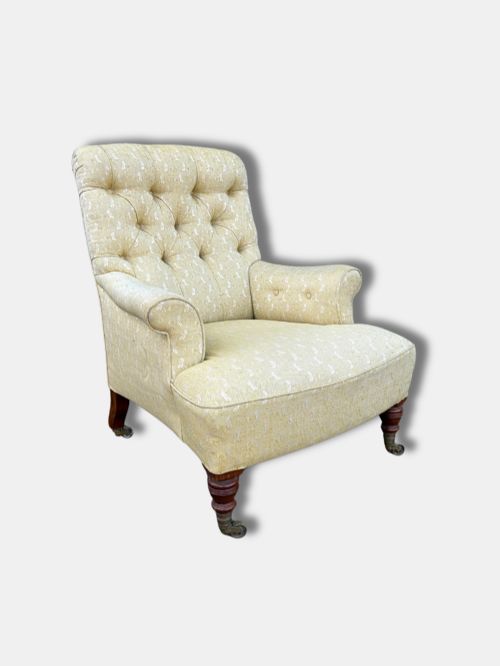
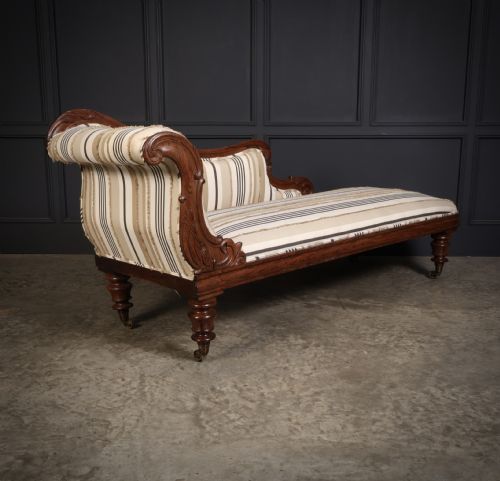
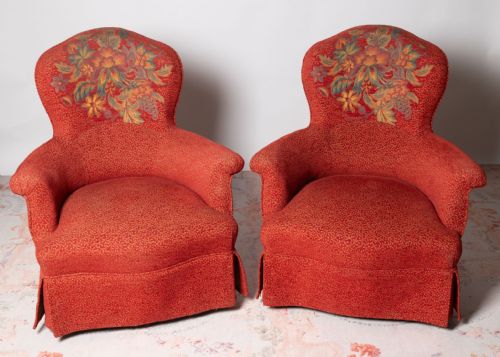
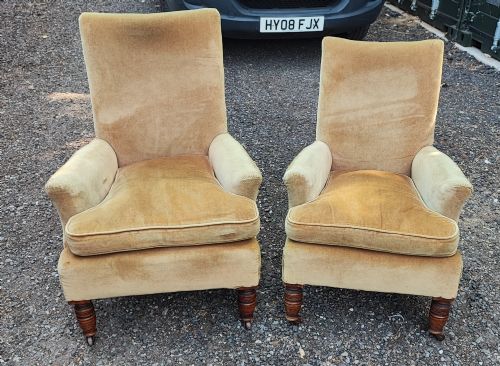
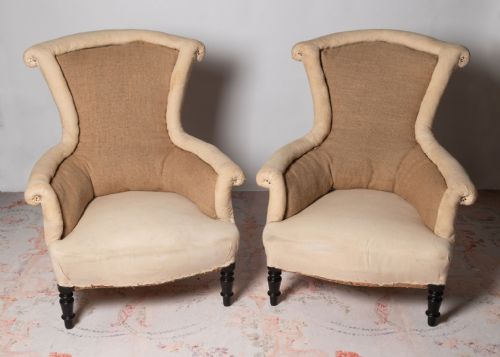
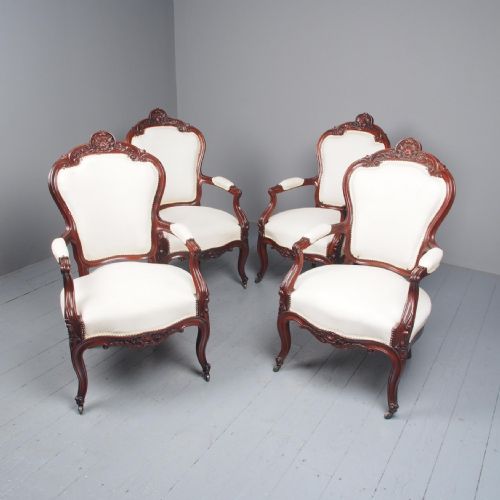
The selections on this page centre on nineteenth century armchairs, chaise longues, and daybeds framed in mahogany, walnut, and rosewood. These pieces often feature period upholstery such as velvet, calico, and hessian.
Makers and workshops from the nineteenth century are represented alongside English and French stylistic influences. Pieces range from button-backed chaise longues to spoon-back armchairs.
Construction and Materials
Nineteenth century seating relies on solid timber frames fashioned from mahogany, walnut, rosewood, and burr yew-wood. Joinery incorporates carved and turned wooden components, sometimes supplemented with ormolu mounts or marquetry inlay.
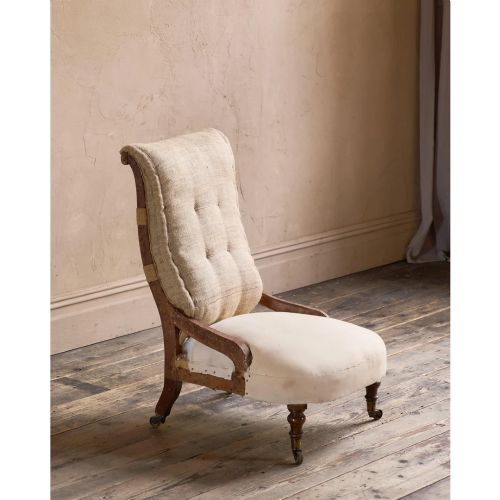
Upholstery techniques utilise materials such as horsehair, hessian, and calico beneath top covers of velvet, fabric, or leather. Button-backed upholstery and pillow arms require precise hand-stitching to secure the internal stuffing within the wooden framework.
Nineteenth Century Lounge Retail Price Guide 2026
Typical asking prices for nineteenth century lounge among the pieces listed under this phrase on Sellingantiques today, from the lower quarter to the upper quarter. They describe what is for sale here now, not the wider market.
Listings feature nineteenth century seating in Victorian, Regency, and Napoleon III styles, constructed from mahogany, walnut, and rosewood.
Judging Quality
Quality in nineteenth century lounge pieces is evident in the density and grain of the timber used for the frame, whether mahogany, walnut, or rosewood. Finer examples display crisp hand-carving and careful matching of veneers on curved surfaces.
The standard of upholstery work and frame stability dictate the longevity of the piece. Superior examples retain robust internal webbing and tightly secured padding that supports the intended shape of the armchair or chaise longue.
Howard and Sons·C. Hindley and Sons·Willian Trotter
The Nineteenth Century Lounge Glossary
- Chaise Longue
- An upholstered sofa in the form of a chair with a long seat for reclining. It typically incorporates a single raised end for the head.
- Spoon Back
- An armchair style with an oval padded backrest shaped to resemble the bowl of a spoon. This form gained popularity during the Victorian period.
- Récamier
- A type of daybed or chaise longue featuring two raised scrolled ends and an open side. It derives its name from a famous portrait of Madame Récamier.
- Ormolu
- Gilded bronze mounts applied to furniture for decoration. It appears on French nineteenth century pieces to accent the woodwork.
Nineteenth Century Lounge: Frequently Asked Questions
What is a nineteenth century lounge piece?
A nineteenth century lounge piece refers to seating designed for relaxation during the nineteenth century, including armchairs, chaise longues, and daybeds.
These items were produced in England and France, utilising hardwoods like mahogany and walnut paired with various textile coverings.
How were nineteenth century daybeds used?
Nineteenth century daybeds and chaise longues served as daytime resting places in parlours, bedrooms, and reception rooms.
They allowed occupants to recline without retiring to a bed, combining formal decorative appeal with domestic comfort.
How do I identify a Victorian armchair?
Victorian armchairs are identified by their distinct period framing styles, such as spoon-back designs or button-backed upholstery. They frequently utilise mahogany or walnut woods.
Makers' stamps or labels on the underside of the frame can also confirm the period and origin.
What materials cover these antique chairs?
Original and replacement coverings on these chairs include velvet, fabric, leather, and hessian. Internal padding often consists of traditional materials supported by webbing.
Frames beneath these textiles are constructed from solid timbers like rosewood, mahogany, and ebonised wood.