






Nineteenth Century Games Box
These nineteenth century games box pieces are timber containers and folding boards made for parlour and lawn pastimes, offering a tangible link to Victorian and Regency social life.
Nineteenth Century Games Box
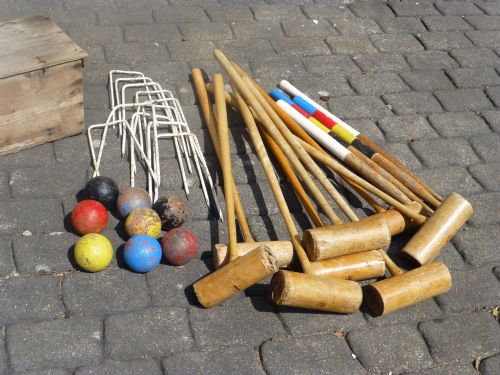
When you search for a nineteenth century games box, you encounter a variety of timber containers, folding boards and occasional tables designed to house pastimes. The examples on this page span the Victorian, Regency and William IV periods, alongside an Edwardian folding board and an 1860 croquet set.
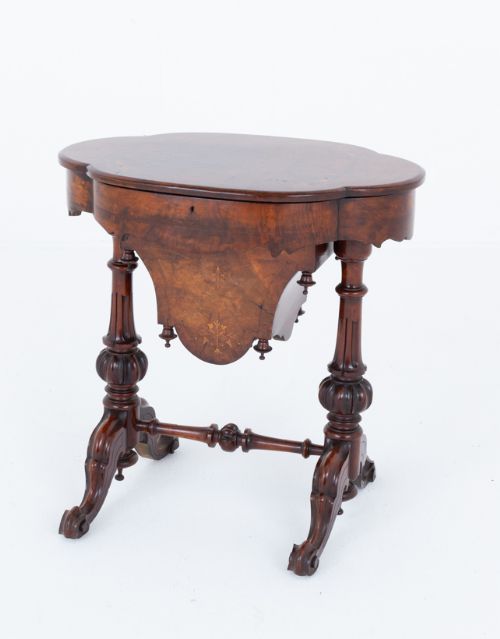
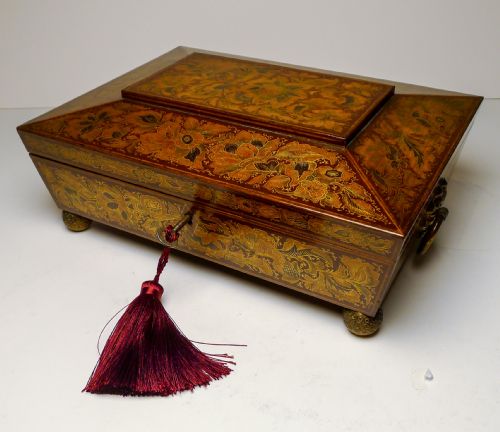
The domestic forms include rosewood card boxes, marquetry inlaid games tables and penwork boxes alongside miniature bone dominoes and boxwood and ebony chess sets. These items served both a decorative and a utilitarian function in the period home, often combining storage for sewing or cards within the same piece of furniture.
The origins represented in the evidence point to English workshops producing small table accessories and larger dual purpose occasional tables. You are most likely to meet burr walnut and rosewood items that reflect the changing social habits of nineteenth century households.
How they were made
The construction of these pieces relies heavily on dense timbers such as rosewood, walnut and burr walnut, often enhanced with marquetry, parquetry or delicate penwork decoration. Smaller items utilise boxwood and ebony for turned chess pieces, while bone is carved for miniature dominoes.
Larger occasional and work tables incorporate pine as a secondary wood alongside decorative veneers, while lawn games utilise original pine storage boxes. The integration of fabric linings and brass fittings completes the construction of these containers and tables.
Nineteenth Century Games Box Retail Price Guide 2026
Typical asking prices for nineteenth century games box among the pieces listed under this phrase on Sellingantiques today, from the lower quarter to the upper quarter. They describe what is for sale here now, not the wider market.
The listings on this page span the 1800 period, Regency, William IV, Victorian, 1860 and Edwardian eras, using walnut, rosewood, brass, boxwood and fabric.
What varies in quality
The distinction between tiers of quality rests on the precision of the decorative inlay, such as marquetry or parquetry work, and the choice of timber figure. Burr walnut and finely figured rosewood distinguish the more ambitious tables and boxes from plain utility items.
Quality also shows in the crispness of turned details on boxwood and ebony chess pieces, and the survival of original fitted interiors and pine storage containers. Superior craftsmanship is evident where structural joinery remains sound and surface decoration retains its original contrast and definition.
Jacques
The Nineteenth Century Games Box Glossary
- Penwork
- A decorative technique using fine ink drawings on timber surfaces, often seen on Regency boxes. It creates intricate monochromatic patterns resembling engraving.
- Marquetry
- The art of applying small pieces of veneer to a structure to form decorative patterns. This technique defines the surface ornamentation of many Victorian walnut pieces.
- Parquetry
- Geometric mosaic woodwork used for repeating patterns on surfaces such as box lids and tabletops. It provides a durable and decorative outer layer.
- Burr walnut
- A highly prized timber taken from the growth growths of a walnut tree, showing swirling grain patterns. It was favoured for high status Victorian furniture.
- Boxwood
- A dense, pale wood commonly utilised for turned pieces in chess sets due to its fine grain and ability to hold crisp detail.
Nineteenth Century Games Box: Frequently Asked Questions
What is a nineteenth century games box?
It is a container, folding board or dual purpose table designed to hold items for indoor and outdoor pastimes such as chess, cards and croquet.
These pieces reflect the social leisure of the Victorian, Regency and Edwardian eras, combining practical storage with decorative woodwork.
How were these boxes used?
They were kept in drawing rooms and parlours to organise playing cards, dominoes, counters and chess pieces for evening entertainment.
Some examples double as work tables for sewing or occasional tables, serving multiple domestic functions within a single piece of furniture.
How do I identify the period?
Period identification relies on the combination of timber choice, decorative technique and construction methods recorded in the evidence. Regency items often feature penwork or parquetry, while Victorian pieces frequently employ burr walnut and marquetry.
Changes in social pastimes also guide dating, from early nineteenth century decorative boxes to mid Victorian multi functional tables and later Edwardian folding boards.
How do I care for timber games boxes?
Keep wooden boxes and tables away from direct heat sources and strong sunlight to prevent the timber and delicate veneers from drying out or cracking.
Dust surfaces gently with a dry or slightly damp cloth and avoid harsh chemical polishes that can damage historic finishes.