
Nineteenth Century Dress
Nineteenth century dress comprises antique garments, vanity boxes, and portraits reflecting the diverse personal adornment and grooming habits of the period.
Nineteenth Century Dress
Nineteenth century dress items encompass physical garments and personal accessories alongside the furniture and mirrors utilised for daily preparation. The evidence shows a mix of rings, vanity boxes, portraits with costume overlays, and practical items associated with historical attire.
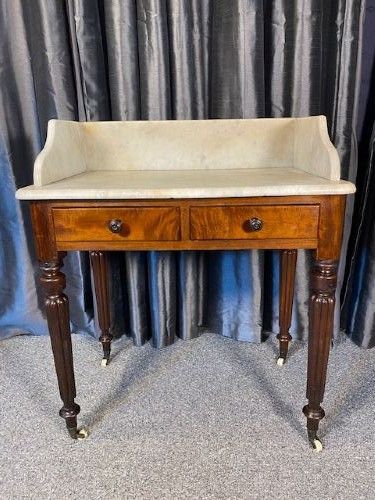
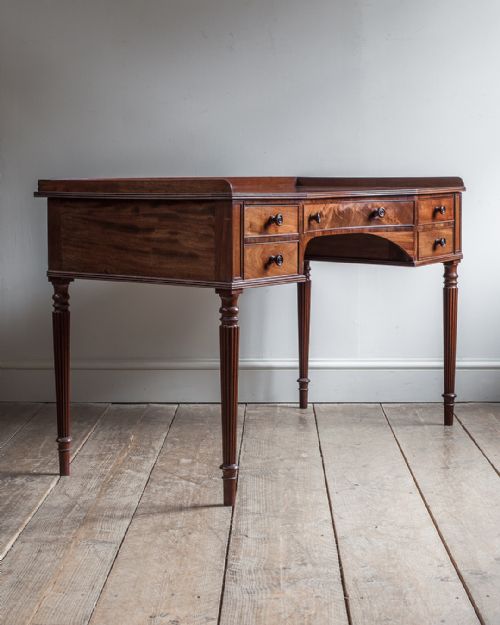
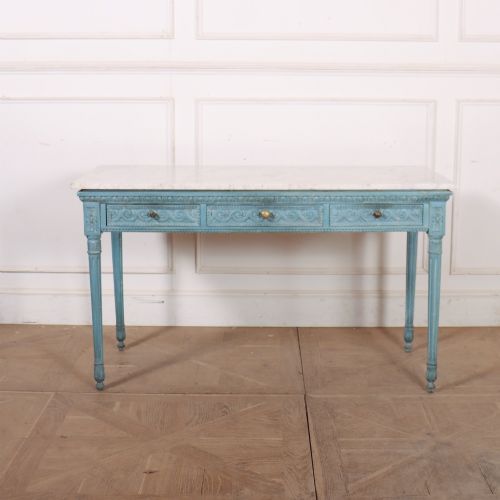
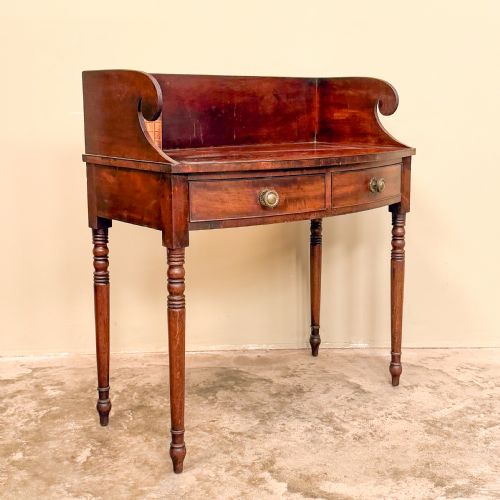
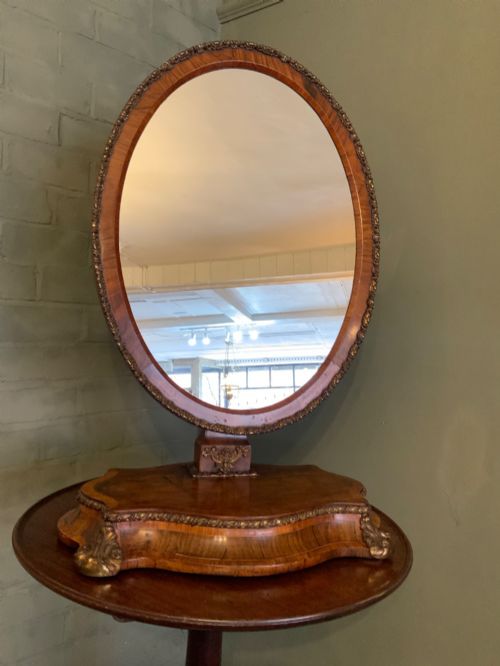
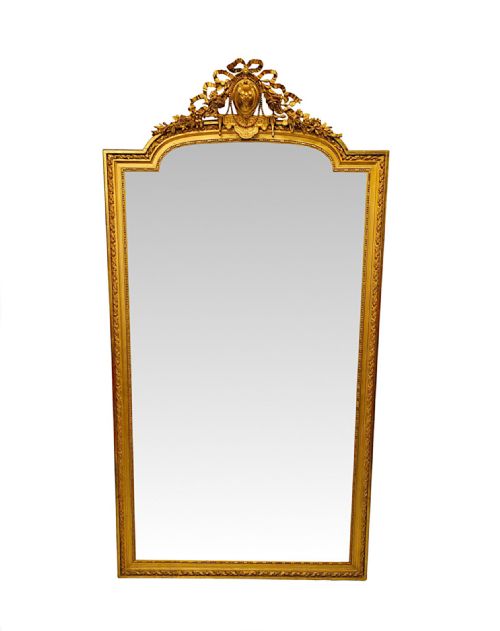
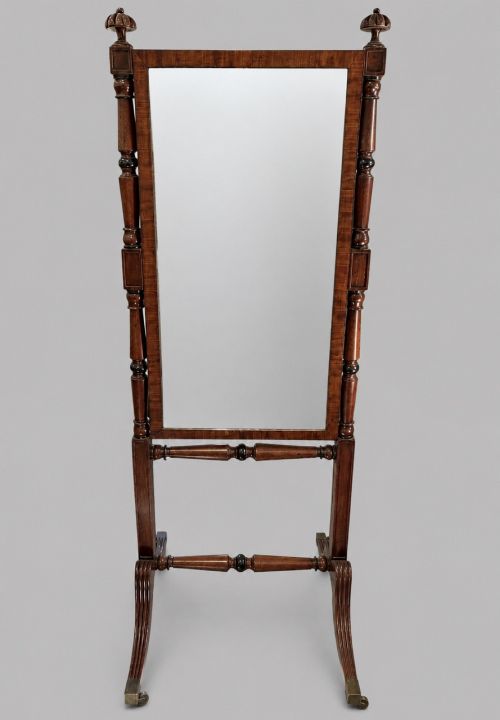
Buyers will most frequently encounter mahogany dressing table mirrors, cheval mirrors, and various tables designed for grooming within this category. These furnishings formed an essential part of period bedchambers and dressing rooms.
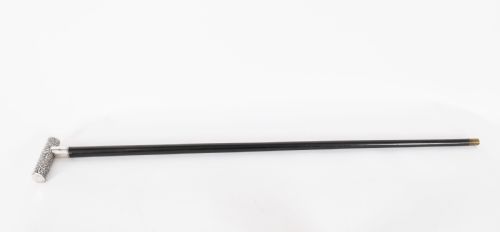
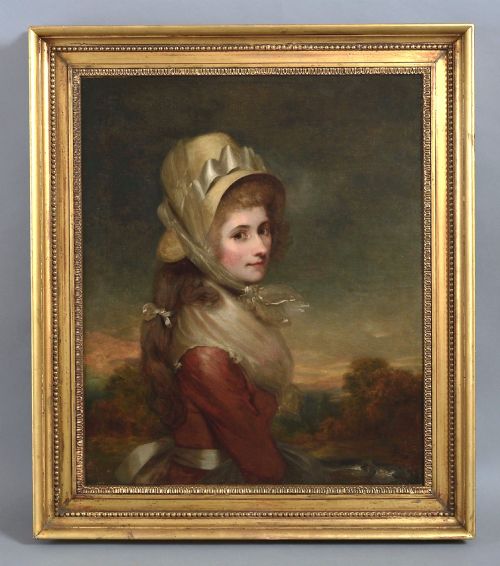
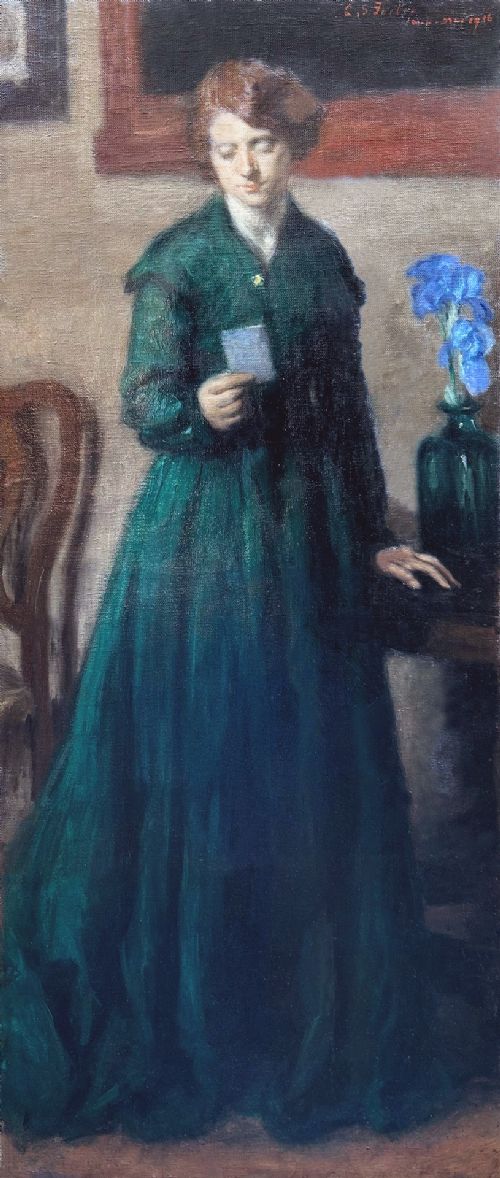
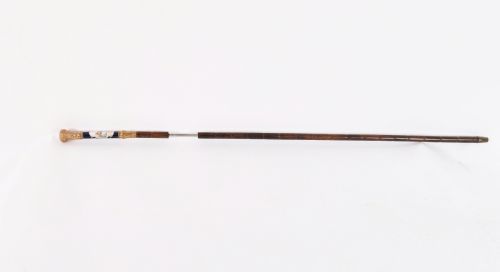
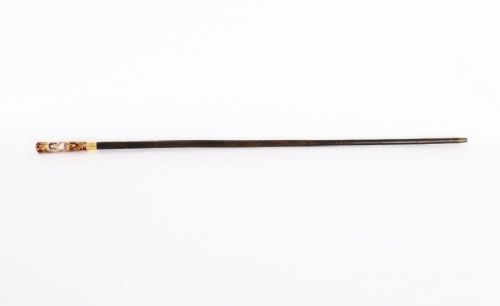
Alongside furniture, the selection includes walking sticks with porcelain handles, jewellery boxes, and framed portraits depicting period costume. Each piece reflects the material culture of the eighteen hundreds across British and continental workshops.
How they were made
Cabinet makers constructed mirrors and vanity tables primarily from mahogany and walnut, frequently employing marquetry inlay for surface decoration. Brass fittings, ormolu mounts, and glass plates completed these functional household objects.
Specialised items incorporate fine details such as Sevres porcelain handles on walking canes, silver plating, and gold work. Artisans also utilised oil on canvas and pastel drawing for portraits recording the clothing styles of the era.
Listings feature mahogany, walnut, brass, and ormolu across Victorian, Regency, and Georgian periods.
What varies in quality
The standard of a nineteenth century dress item rests on the selection of timber, the crispness of carved details, and the integrity of original glass or brass elements. Maker attributions and documented provenance elevate certain pieces above standard domestic examples.
Refined execution in marquetry inlay and the retention of original bevelled mirror glass or fitted interior compartments distinguish superior pieces. Secondary woods, simpler joinery, and replacement hardware mark out more utilitarian items from the period.
Sir Martin Archer Shee·Edmund Nye·Thiebaut Freres·H Mitchell·Gillows·Hawkes And Co
The Nineteenth Century Dress Glossary
- Cheval mirror
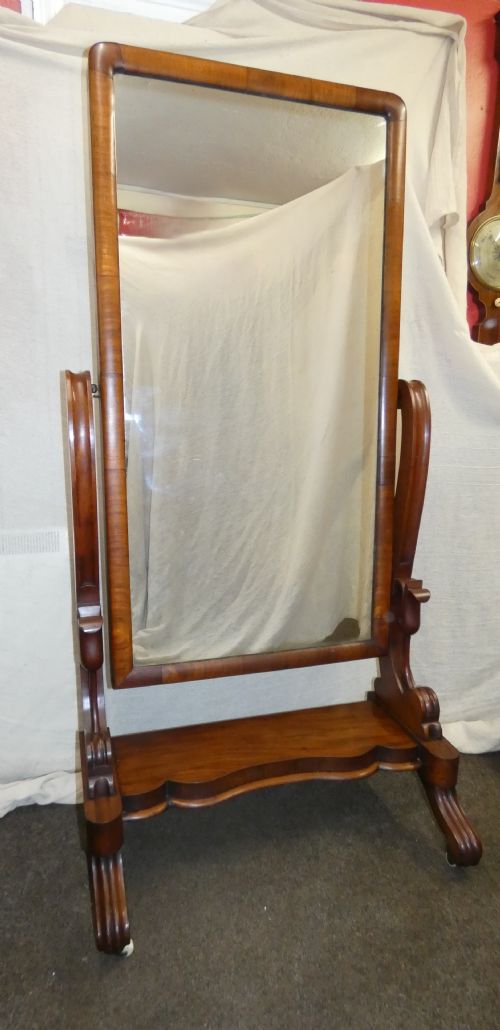
- A full-length mirror hung in a frame that allows it to swing. These freestanding glasses were essential in nineteenth century dressing rooms.
- Marquetry
- Decorative veneer work formed by fitting pieces of various woods into a design. This technique adorned many quality dressing boxes and tables.
- Ormolu
- Gilded bronze mounts applied to furniture. Makers used this material to accent walnut and mahogany surfaces on luxury pieces.
- Washstand
- A piece of furniture designed to hold a basin and pitcher for washing. They frequently paired with dressing tables in period bedchambers.
- Tunbridge ware
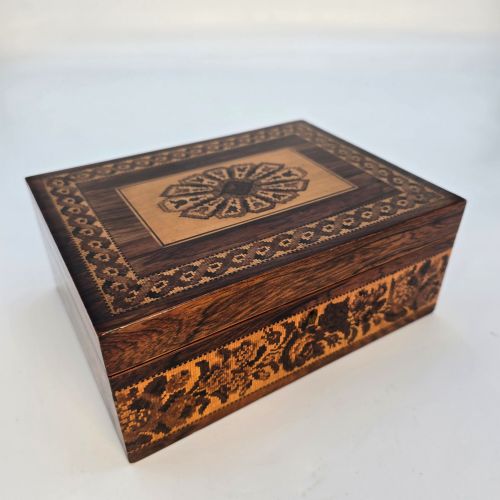
- Small wooden objects decorated with mosaic patterns made from tiny segments of various coloured woods. Edmund Nye practiced this craft.
Nineteenth Century Dress: Frequently Asked Questions
What is a cheval mirror?
A cheval mirror is a tall, freestanding glass mounted in a pivoting frame. These mirrors allowed individuals to view their full attire during the nineteenth century.
They stood in bedchambers and dressing rooms as both functional objects and statements of interior taste.
How were dressing tables used?
Dressing tables served as stations for personal grooming, hair styling, and the arrangement of jewellery. Drawers kept cosmetics, brushes, and accessories close at hand.
Many incorporated adjustable mirrors or folding lids to conceal washing basins and toiletries.
What materials indicate quality?
Quality pieces frequently feature solid mahogany or walnut, supplemented by fine marquetry inlay and ormolu mounts. Original bevelled mirror glass and intact interior fittings also signal superior craftsmanship.
Makers often marked their work on drawers or brass locks to denote high workshops.
How do I date these items?
Dating relies on stylistic shifts across the nineteenth century, moving from Regency neoclassical lines through Victorian revival styles to later French influences. Construction methods, timber choices, and documented makers provide further chronological markers.
Assay marks on metal elements or paper maker labels inside boxes help narrow the date of manufacture.