




Nineteenth Century Club
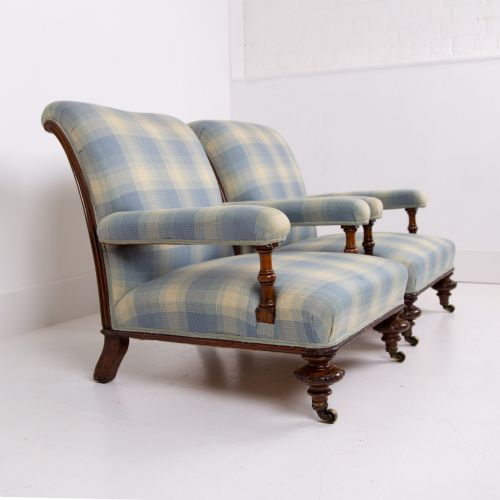
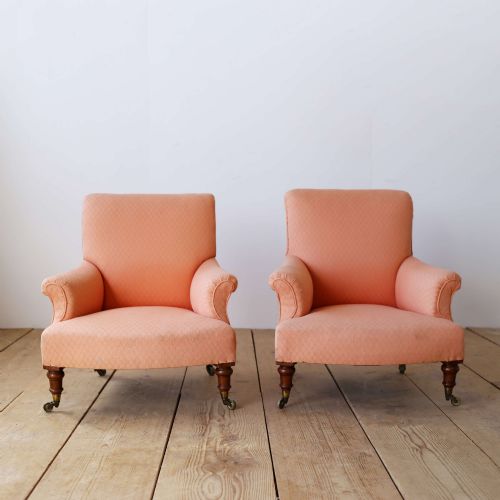
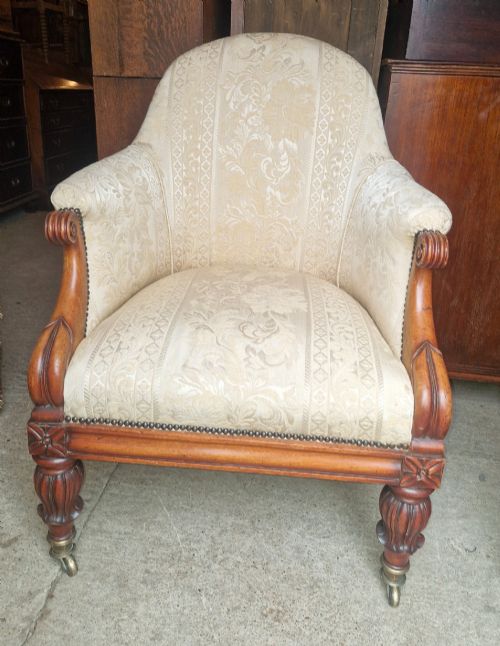
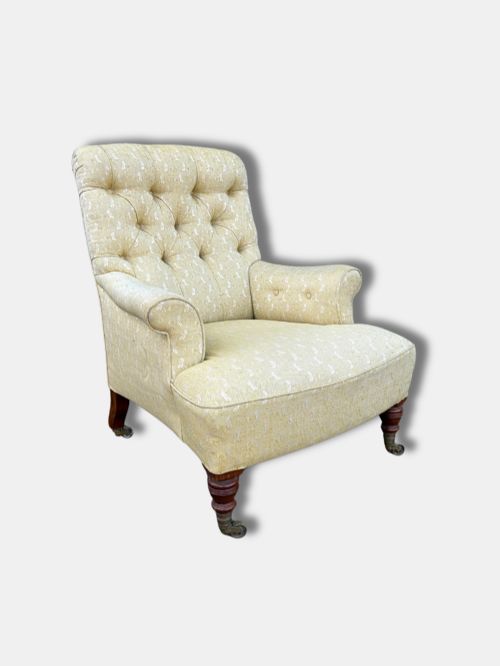
These nineteenth century club pieces are substantial armchairs, sofas, and fenders designed for comfort, anchored by periods like the Victorian era and Regency.
Nineteenth Century Club
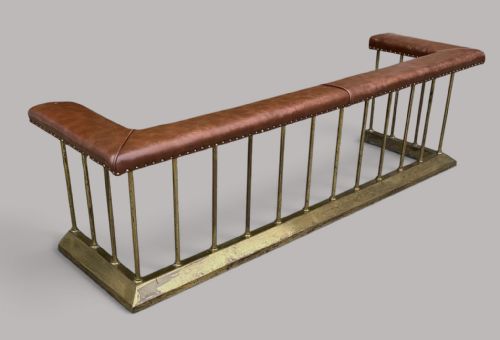
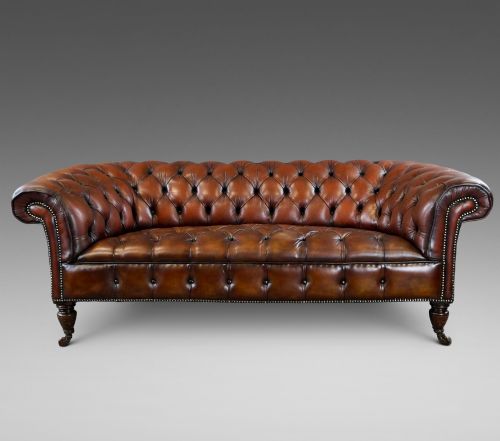
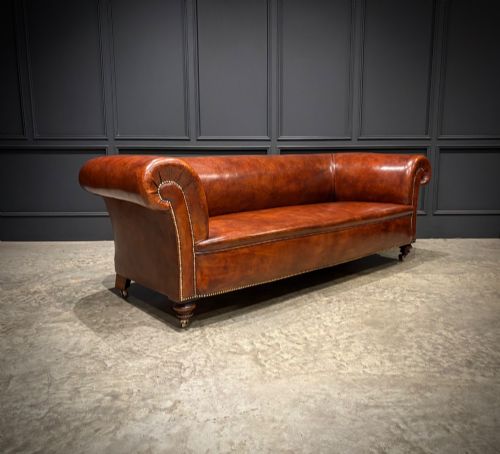
When you search for a nineteenth century club, you encounter seating and fireplace accessories built for heavy daily use in studies, libraries, and country houses. The most common forms on this page are deep leather armchairs, Chesterfield sofas, and sturdy brass club fenders designed to sit around a hearth.
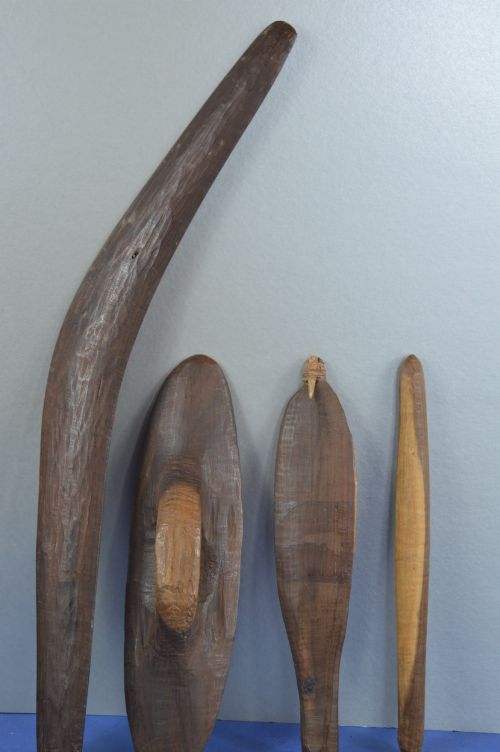
The evidence shows items spanning the Victorian and Regency periods, alongside specific decades like eighteen eighty and eighteen fifty. Alongside leather seating, the selection includes occasional pieces such as tribal artefacts and ethnic objects grouped under nineteenth century club styles.
How nineteenth century club pieces were made
Makers utilised solid timbers such as mahogany, oak, chestnut, and general hardwoods to construct robust internal frames that would support button-backed and pillow-armed upholstery. Frames were frequently mounted on brass castors to allow heavy library and club chairs to move across thick carpets.
Nineteenth Century Club Retail Price Guide 2026
Typical asking prices for nineteenth century club among the pieces listed under this phrase on Sellingantiques today, from the lower quarter to the upper quarter. They describe what is for sale here now, not the wider market.
Listings feature items from the Victorian and Regency periods, alongside specific years including eighteen eighty and eighteen fifty.
What varies in quality
Quality depends on the integrity of the timber frame and the depth of the original upholstery build. Pieces carrying maker stamps or attributed to notable workshops demonstrate superior joinery and finishing compared to unbranded examples.
The condition and character of the leather surface alters the standing of each piece. Retaining a mature, patinated hide without modern replacement skin elevates a nineteenth century club chair or sofa.
Howard and Sons·Johnstone and Jeanes
The Nineteenth Century Club Glossary
- Club fender
- A low brass or iron frame with upholstered seats flanking a fireplace. It provides a comfortable seat close to the hearth.
- Chesterfield
- A large upholstered sofa with arms and back of the same height, traditionally finished in buttoned leather. It forms a cornerstone of nineteenth century seating.
- Library armchair
- A heavy, upholstered chair designed for long periods of reading in domestic studies. These often feature mahogany frames and leather upholstery.
- Napoleon III
- A French design style spanning the mid to late nineteenth century. It incorporates eclectic revivals and comfortable domestic forms.
- Regency
- An English stylistic period bridging the late eighteenth and early nineteenth centuries. It is characterised by classical restraint and refined mahogany frames.
Nineteenth Century Club: Frequently Asked Questions
What defines a nineteenth century club chair?
These chairs are characterised by deep seats, substantial hardwood frames, and durable leather upholstery built for libraries and country houses.
They prioritise comfort and longevity, often featuring button backs and generous armrests.
How do I identify a Victorian club fender?
A club fender combines a metal base, typically brass, with low upholstered seats running along the sides.
They were placed around fireplaces to keep people warm while socialising in large rooms.
Are these pieces suitable for daily use?
Most nineteenth century club seating was constructed to endure heavy daily service in domestic and institutional settings.
Their robust timber frames and thick leather coverings remain practical for contemporary living spaces.
What is the difference between a library chair and a club chair?
Library chairs often display more formal stylistic influences, such as mahogany frames in the Regency or Victorian manner.
Club chairs tend to focus purely on upholstered comfort, using leather and sprung seats.