

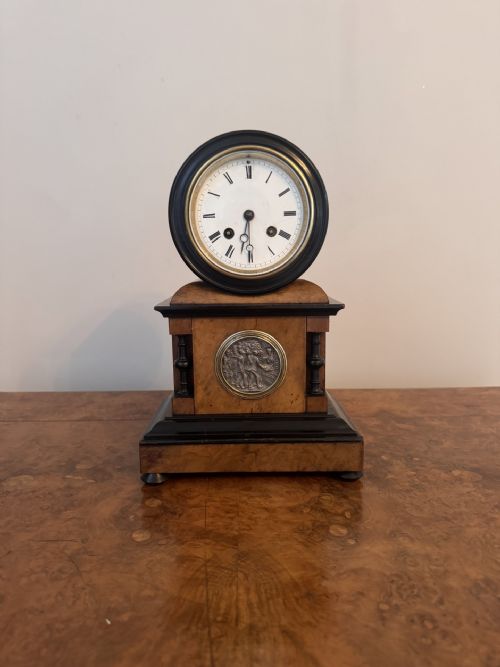


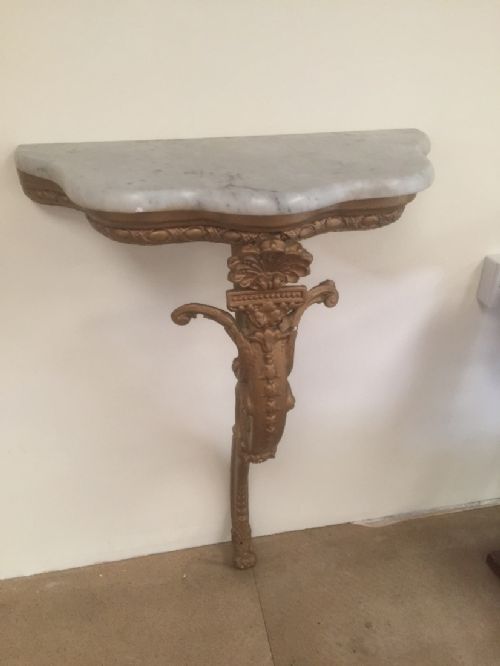


Nineteenth Century Carved Bracket
These nineteenth century carved bracket pieces bring together timepieces, shelves, and architectural woodwork from the Victorian and Regency periods.
Nineteenth Century Carved Bracket
When you search for nineteenth century carved bracket items, you encounter a varied selection of functional and decorative woodwork, timepieces, and wall furniture. These objects range from fusee bracket clocks housed in mahogany cases to carved pine architectural elements and corner shelves.
The pieces on this page lean heavily towards Victorian and Regency design, encompassing regional variations such as Irish giltwood and Sorrento olive wood. Wall shelves, mantel clocks, and sconces form the core of what you will handle here, reflecting the domestic tastes of the eighteen hundreds.
Makers and workshops of the period utilised timber and giltwood to create items that served practical household roles while displaying sculptural detail. A buyer finds everything from library clocks to corner cabinets within this grouping.
How they were made
Makers of nineteenth century carved bracket pieces relied on dense hardwoods such as mahogany, oak, rosewood, and burr walnut for structural stability and fine chisel work. Giltwood and gesso surfaces received meticulous application to achieve reflective depth on mirrors, tables, and sconces.
Clockmakers integrated fusee movements into robust timber housings, while specialists in wood carving executed intricate motifs across architectural elements, cabinets, and mirror frames. Inlaid olive wood and pine further demonstrate the breadth of workshop techniques employed during the period.
Nineteenth Century Carved Bracket Retail Price Guide 2026
Typical asking prices for nineteenth century carved bracket among the pieces listed under this phrase on Sellingantiques today, from the lower quarter to the upper quarter. They describe what is for sale here now, not the wider market.
A night watchman clock keeps silent vigil alongside ticking library clocks and archangel Gabriel carvings.
What varies in quality
The standard of carving determines much of the visual success in nineteenth century carved bracket pieces, separating deeply undercut, sharp foliage from shallow, hurried work. Crispness in the execution of architectural details and floral motifs signals skilled workshop practice.
Selection of timber grain and the integrity of applied gesso or gilding dictate the finish of these objects. Original movements in clocks and intact wooden joinery preserve the historical continuity of each piece.
Webster Cornhill London·Strahan of Dublin
The Nineteenth Century Carved Bracket Glossary
- Fusee
- A conical pulley used in clock movements to maintain even driving force as the mainspring unwinds. It ensures consistent timekeeping across the duration of the wind.
- Gesso
- A plaster-based mixture applied to wood surfaces as a preparation for gilding or painting. It provides a smooth base for intricate moulding and leaf application.
- Giltwood
- Timber that has been coated with a thin layer of gold leaf or powder over a prepared ground. It creates a luminous decorative surface on frames and furniture.
- Bracket clock
- A portable household clock originally designed to sit upon a wall bracket or table. These timepieces typically feature fine wooden cases and spring-driven movements.
Nineteenth Century Carved Bracket: Frequently Asked Questions
What is a fusee bracket clock?
A fusee bracket clock is a spring-driven timepiece housed in a portable wooden case designed to sit on a shelf or bracket. These clocks utilise a conical pulley system to equalise power delivery from the mainspring.
Such timepieces date predominantly from the nineteenth century and combine mechanical precision with cabinet-making skills.
How were corner shelves used?
Corner shelves provided display space for ornaments and small ceramic items within nineteenth century domestic interiors. Their triangular design allowed them to fit neatly into room angles without blocking pathways.
Woods like mahogany and inlaid olive wood made these shelves both practical and decorative furnishings.
What defines Regency style?
Regency style spans the early nineteenth century, drawing inspiration from classical Greek and Roman forms alongside Gothic revival elements. Furniture from this period exhibits clean lines, dark mahogany timbers, and restrained ornamentation.
Bracket clocks and mantel clocks from this era often display these architectural proportions.
How do I identify Victorian work?
Victorian pieces span the mid to late nineteenth century and often display heavier ornamentation, diverse timber selections like burr walnut, and regional variations such as Sorrento inlay. The era encompasses Gothic Revival and industrial manufacturing advancements.
Examining the construction methods and material choices helps date these items accurately.