



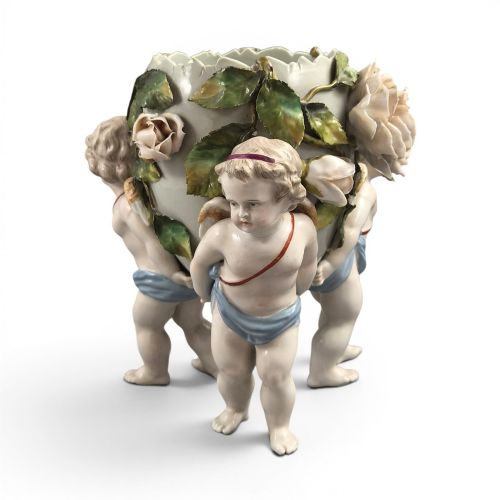

Nineteenth Century Bowl
When you search for a nineteenth century bowl, you enter a diverse field of ceramic, metal and stone vessels shaped by global tastes.
Nineteenth Century Bowl
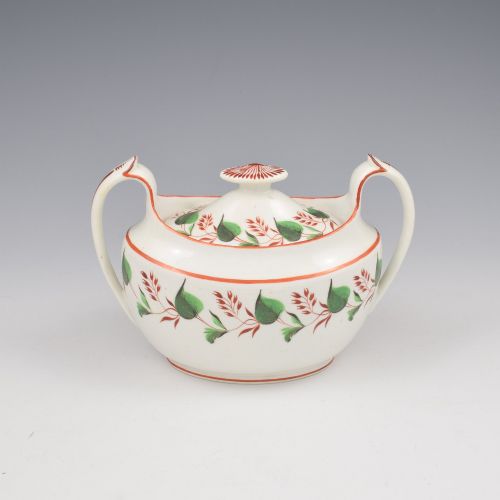
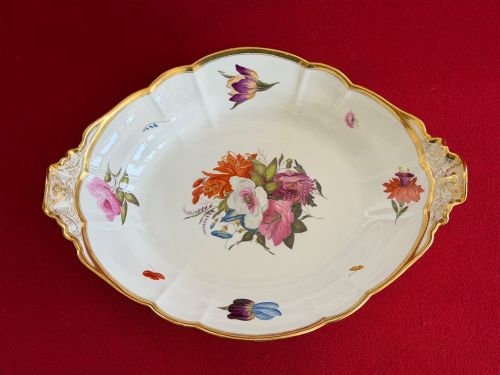
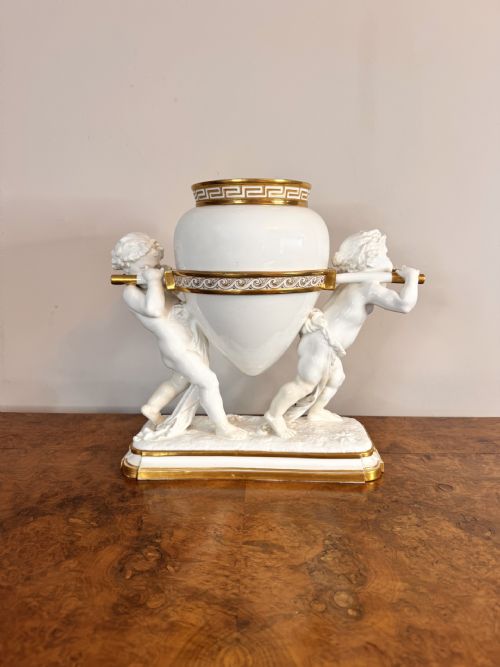
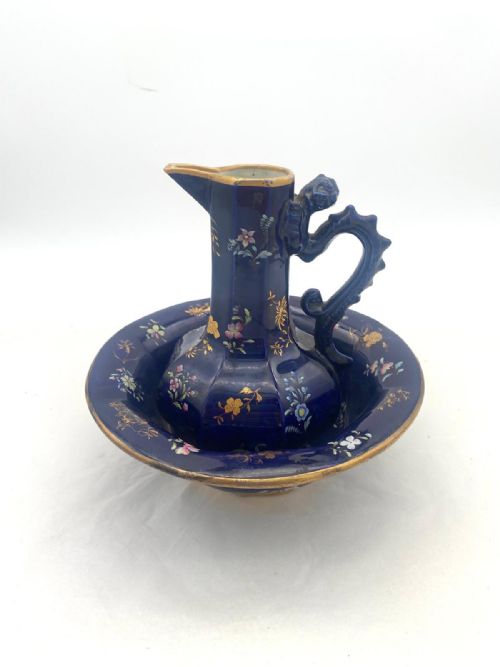
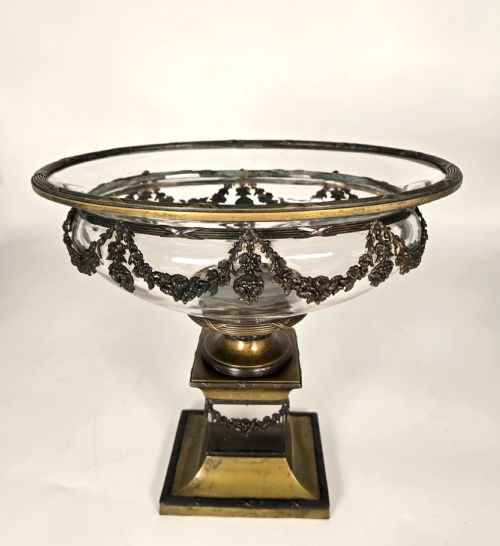
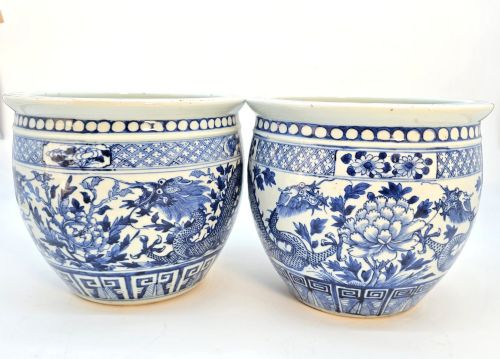
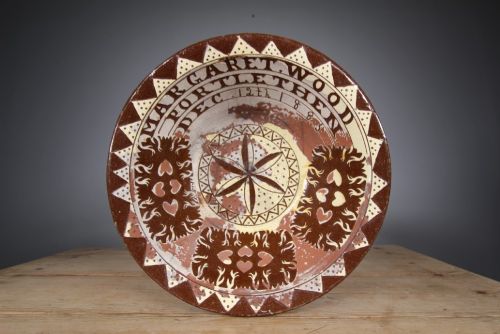
A nineteenth century bowl encompasses varied utilitarian and decorative forms, ranging from utilitarian earthenware to grand ceramic centrepieces and bronze-mounted display pieces. You will frequently encounter domestic tableware alongside ornamental jardinieres, tazze and comports originating from British, European and Asian workshops.
The materials span porcelain, earthenware, glass, bronze, brass and marble, reflecting the eclectic design vocabulary of the period. Makers utilised styles including Regency, Victorian, Rococo Revival, Neoclassical and Japanese Meiji to decorate these functional and display vessels.
How they were made
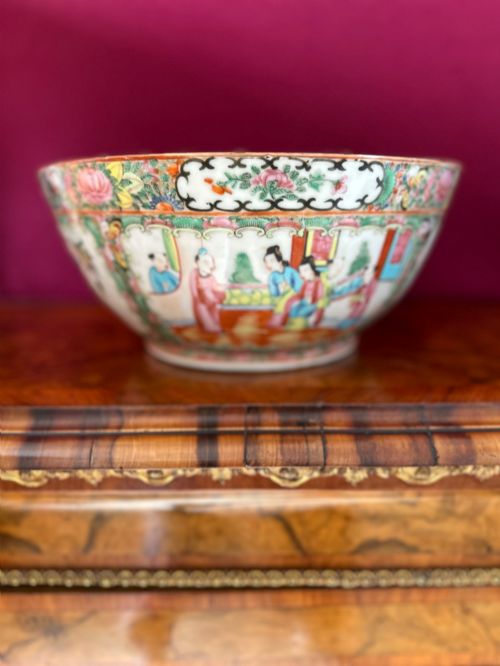
Potters and ceramists shaped clay and porcelain on wheels or in moulds, finishing pieces with slipware, transfer printing, hand painting, enamelling and gilding. Ironstone, pearl glaze, earthenware and hard-paste porcelain provide the durable foundations for many domestic forms.
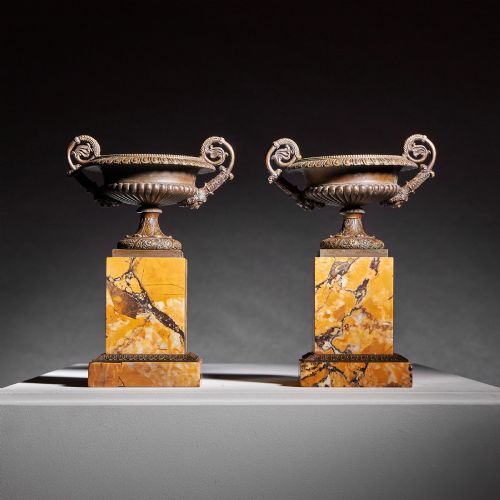
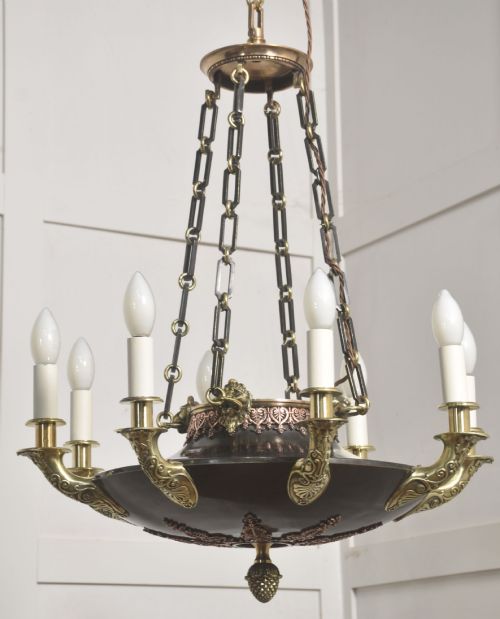
Metalworkers cast bronze, brass and silver into structural mounts, planters and tazze, frequently combining metal elements with siena marble bases or glass vessels. Artisans also employed wood carving, cloisonné enamel and intricate hand-painted cobalt blue designs to decorate disparate surfaces.
Nineteenth Century Bowl Retail Price Guide 2026
Typical asking prices for nineteenth century bowl among the pieces listed under this phrase on Sellingantiques today, from the lower quarter to the upper quarter. They describe what is for sale here now, not the wider market.
The selection includes utilitarian slipware alongside decorative tazze, jardinieres, tea caddies and grand porcelain centrepieces.
What varies in quality
The refinement of the modelling and the crispness of surface decoration dictate the standing of each vessel. Hand-painted ceramic details, precise bronze casting and the harmony of mixed materials such as marble and silver-gilt distinguish ambitious exhibition pieces from everyday wares.
Provenance and attribution to documented makers or specific potteries elevate individual examples. The preservation of original gilding, enamels and structural mounts without replacement parts maintains the integrity of the object.
Benedetto Boschetti·Seaton Pottery·Spode·Mann And Co·Kinkozan Kyoto·C G Schierholz And Sohn·Pierre Fournerot·Tiffany And Co·Doulton Lambeth·J And R Clews
The Nineteenth Century Bowl Glossary
- Tazza
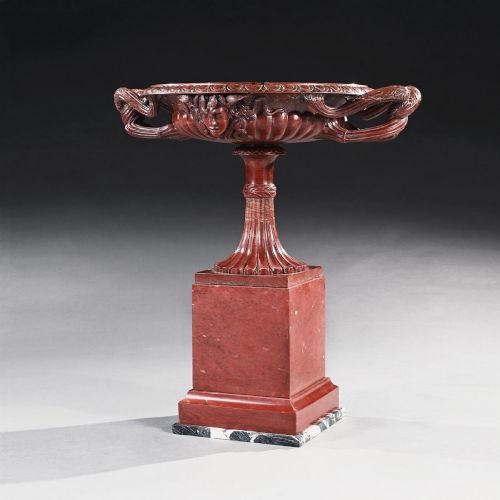
- A shallow bowl or dish mounted upon a stem and foot. These raised vessels served as decorative centrepieces on dining tables during the nineteenth century.
- Jardiniere
- An ornamental pot or stand designed to hold growing plants or flowers. They appear in ceramic, brass and carved wood across the period.
- Comport
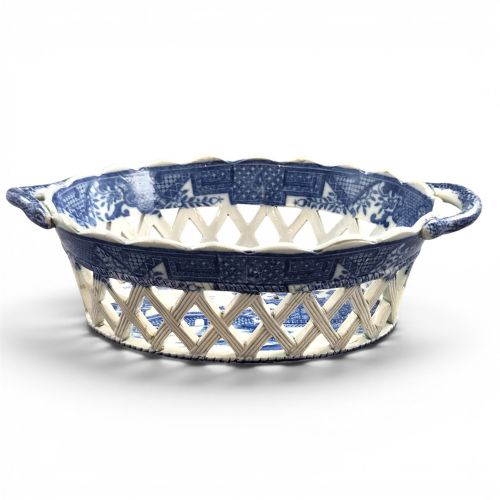
- A footed dish or bowl used for serving fruit or sweets at dessert. They frequently match ceramic garniture sets or stand alone in ironstone and porcelain.
- Cloisonne
- A decorative metalwork technique where enamel paste is applied within compartments created by soldered wire. Japanese examples feature prominently in this category.
- Ironstone
- A heavy, durable type of earthenware patented in the early nineteenth century. Makers utilised it for robust tableware and decorative comports.
Nineteenth Century Bowl: Frequently Asked Questions
What is the difference between a bowl and a tazza?
A standard bowl rests directly upon its base or foot ring, functioning as a deep receptacle for food, water or plants. A tazza elevates a shallow dish upon a distinct central stem and pedestal.
Craftsmen often designed tazze from bronze, marble or porcelain specifically for display as decorative centrepieces rather than for practical table service.
How were nineteenth century jardinieres used?
Jardinieres functioned as indoor plant holders designed to bring greenery into Victorian and Regency parlours and drawing rooms. Households placed them on tables or pedestals to display potted ferns and flowering plants.
They appear in waterproof materials including brass, copper, ceramic and carved wood to accommodate damp soil and plant roots.
Can I use antique ironstone bowls for food?
Ironstone ceramics are dense and durable, originally manufactured for heavy domestic and institutional dining. Many examples remain structurally sound for contemporary culinary use.
Collectors should examine individual pieces for historic glaze crazing or hairline cracks that might absorb liquids before serving food.
How do I identify Japanese Meiji period porcelain?
Meiji period Japanese porcelain often exhibits fine hand-painted cobalt blue decoration, intricate gilt highlights, or distinct Satsuma and Kutani styles. These pieces arrived in Europe as international trade expanded during the late nineteenth century.
Many bear painted or impressed studio signatures on the underside that record the specific workshop or artist responsible for the decoration.