




Nineteenth Century Art Prints
Nineteenth century art prints bring the diverse visual culture of the Victorian era and the Regency period directly to the wall.
Nineteenth Century Art Prints
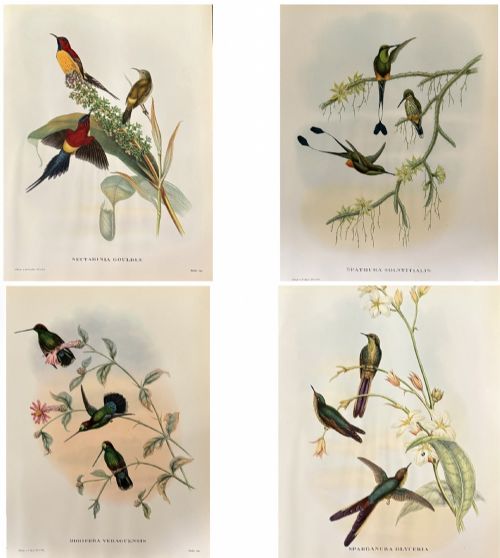
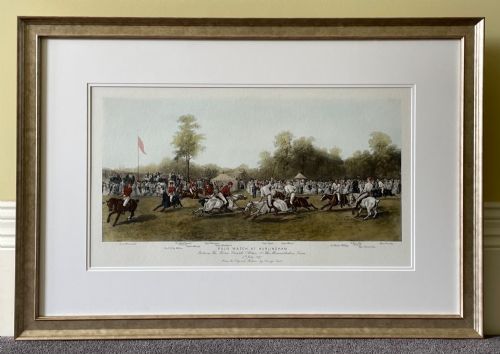
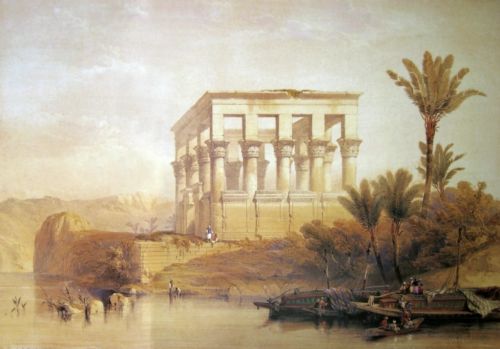
Nineteenth century art prints encompass a wide variety of works on paper, ranging from hand-coloured engravings and lithographs to Japanese woodblock prints and reverse glass pieces. Buyers searching for nineteenth century art prints will frequently encounter framed prints and wall art depicting sporting scenes, ornithological studies, architectural views, and classical subjects. These items often arrive ready for display in period frames constructed of wood, gesso, or gilded wood.
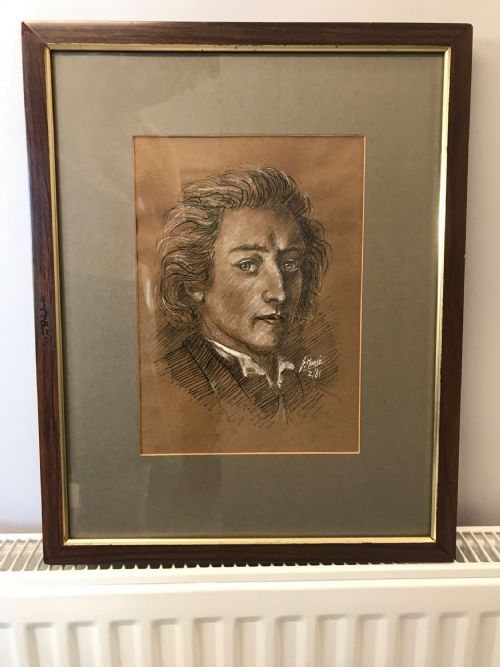
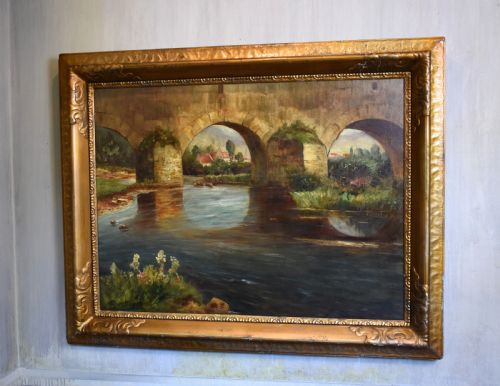
The selection ranges from individual sheets to matched sets of four or six, particularly in botanical subjects, animal studies, and seasonal depictions. Alongside traditional British sporting and topographical plates, pieces reflecting Orientalism and Edo period ukiyo-e demonstrate the global reach of nineteenth century visual production. While many are mechanical or hand-pulled print methods, related works on paper and canvas such as watercolours, pen and ink drawings, and oil paintings also appear within this category.
How they were made
The production of these works relies heavily on paper, ink, and watercolour, utilising traditional printing techniques such as engraving, lithography, chromolithography, and woodblock carving. Many printed sheets received subsequent hand-colouring with watercolour washes or gouache to enrich the palette and bring definition to subjects like tropical birds, hunting dogs, and portraits.
Framing materials play an essential role in the presentation of these works, employing wood, glass, gesso, and gold leaf. Some pieces incorporate specialised techniques such as metal embellishments applied to clothing on printed figures, or reverse glass painting where the image is rendered directly behind protective glass.
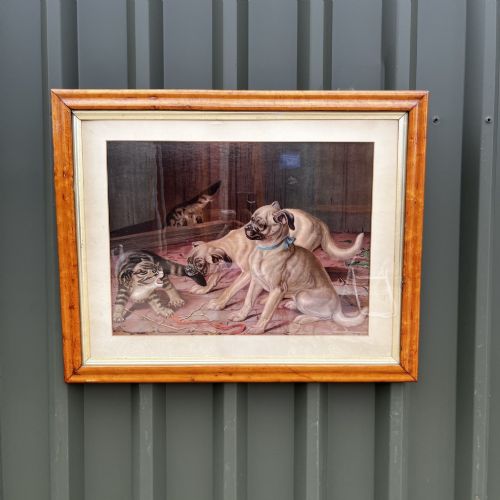
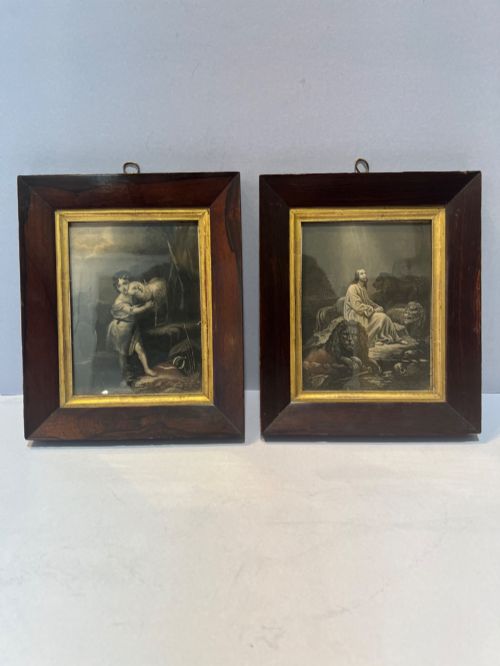
Pugs and cats share the page alongside exotic birds, polo matches, and theological scenes.
What varies in quality
Quality in nineteenth century art prints is determined by the clarity of the impression, the precision of the plate or block execution, and the vibrancy of any applied hand-colouring. Sharp lines in engravings and clean separation of colours in chromolithographs and Japanese woodblocks separate finer workshop output from more utilitarian printing.
The physical presentation also dictates the standing of a piece, particularly the integrity of original or period frames utilising gesso, gold leaf, and glass. Cohesion across a matched set of multiple prints maintains the visual strength of the group, whereas mismatched framing or heavy fading diminishes the overall impact.
David Roberts·Carl Haag·Frederick Walker·Horatio Henry Couldrey·Kitagawa Utamaro·Kunisada·Sir Thomas Lawrence·William Powell Frith·Tom M. Hemy·William Swainson·Carlo Ferranti·H. Alken·Otto Pilny·J F Herring·George Lance·Eugene Hindle
The Nineteenth Century Art Prints Glossary
- Engraving
- A printmaking technique where an image is incised into a metal plate using a sharp tool called a burin. The resulting lines hold the ink for transfer under pressure onto paper.
- Lithography
- A planographic printing process based on the mutual repulsion of oil and water, allowing artists to draw directly onto a limestone slab or metal plate to produce multiple flat images.
- Chromolithography
- A lithographic method that uses multiple stones or plates, one for each colour, to build up a vibrant polychromatic print.
- Ukiyo-e
- A genre of Japanese art produced through woodblock printing and painting, depicting scenes of everyday life, landscapes, and actors from the Edo period onwards.
- Chrystoleum
- A Victorian method of applying a transparent colour print to the inside of concave glass, hand-tinting the reverse, and backing it to create a luminous pictorial effect.
Nineteenth Century Art Prints: Frequently Asked Questions
How should I display framed prints?
Hang these works away from direct sunlight to protect the paper and any applied watercolour pigments from fading over time.
Keep them in rooms with stable humidity levels to preserve the wooden frames and gesso mouldings.
Are these works original period pieces?
The listings comprise items originating from the nineteenth century, Regency era, and Victorian period, alongside select later historical works.
Each piece reflects the printing technology, artistic styles, and materials characteristic of its specific production era.
How do I care for antique paper art?
Ensure the protective glass remains intact and sealed to prevent atmospheric dust and moisture from reaching the delicate paper surface underneath.
Consult a professional paper conservator if cleaning or stabilization of the sheet becomes necessary.
What subjects are most common?
Common subjects include natural history studies such as tropical birds and botanical illustrations, alongside sporting events, topographical views, and classical portraits.
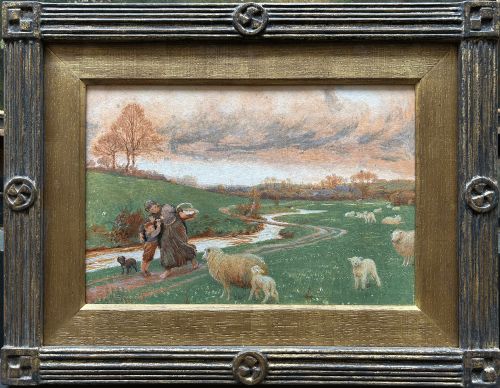
Narrative scenes depicting children, animals, and architectural landmarks also feature prominently across the available styles.