

Neoclassical Upholstered Chairs
Neoclassical upholstered chairs bring balanced proportion and refined carving into a room, offering enduring seating forms shaped by eighteenth-century ideals.
Neoclassical Upholstered Chairs
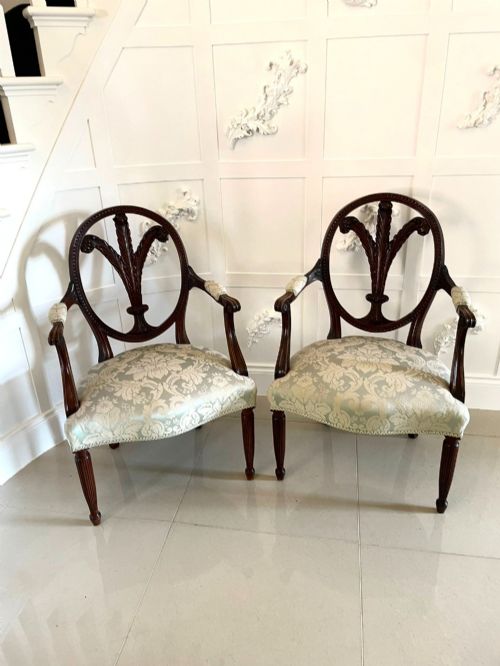
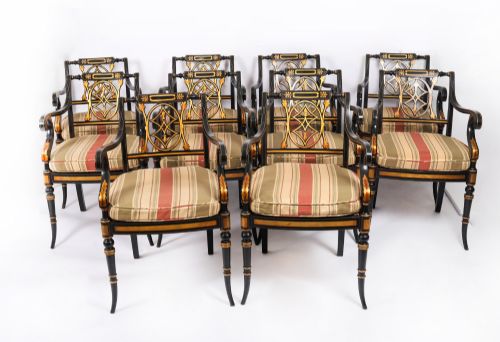
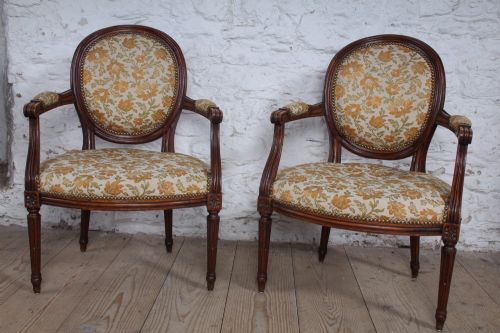
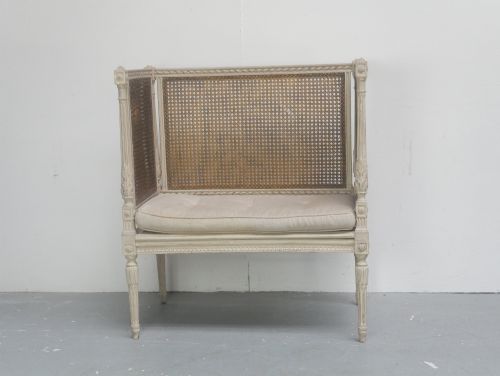
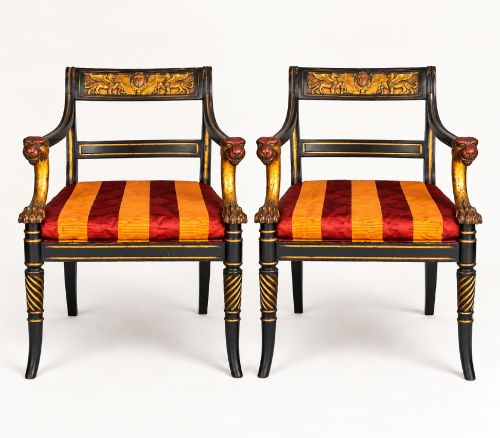
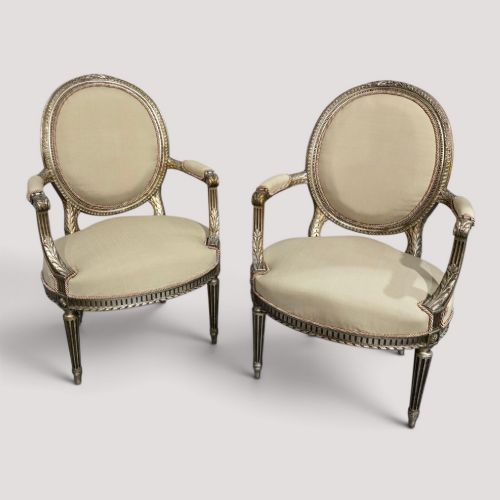
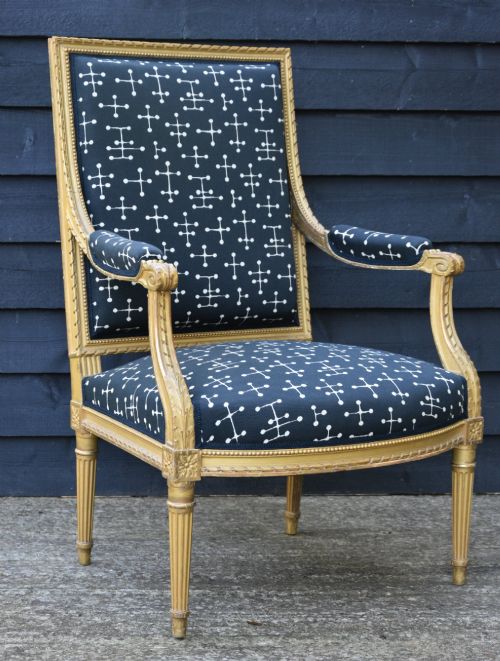
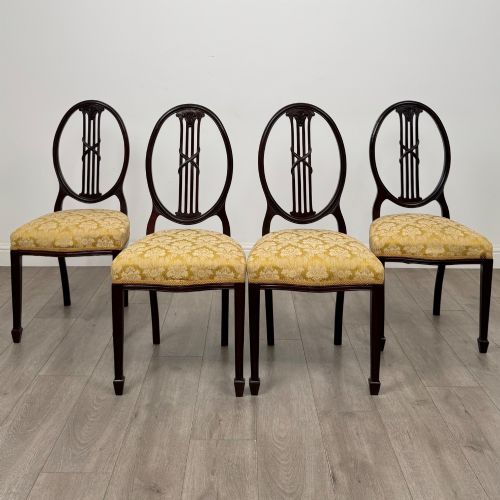
When buyers search for neoclassical upholstered chairs, they encounter seating spanning the eighteenth century through to later revivals in the nineteenth and twentieth centuries. The selection includes dining chairs, open armchairs, tub chairs, and salon suites originating from English, French, Italian, and Swedish makers.
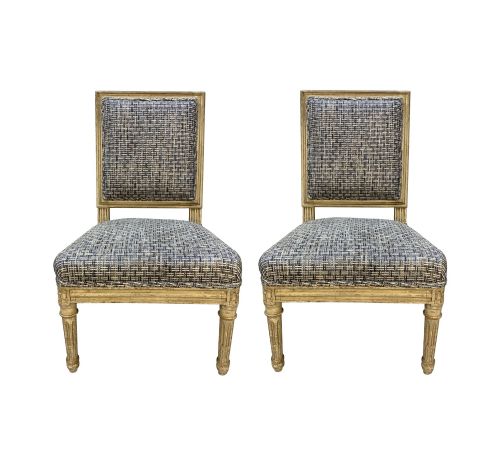
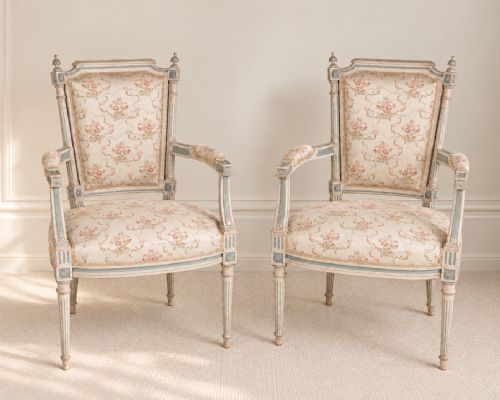
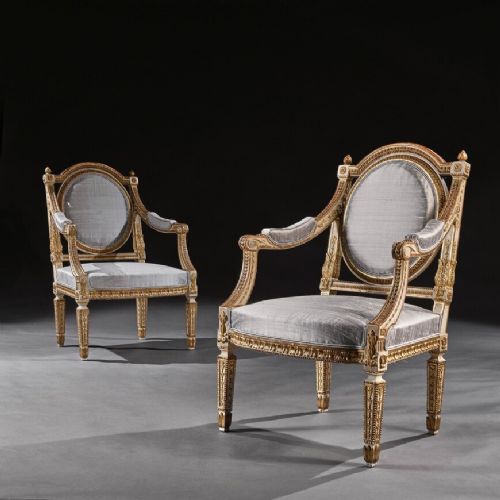
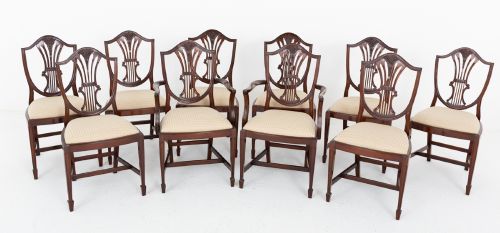
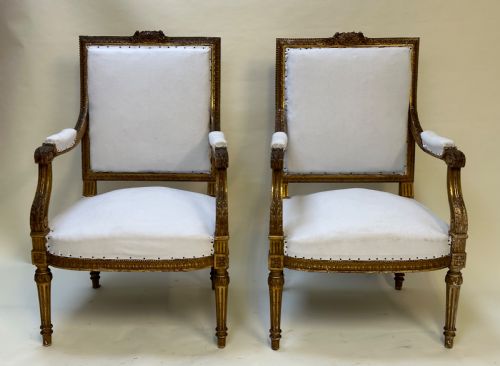
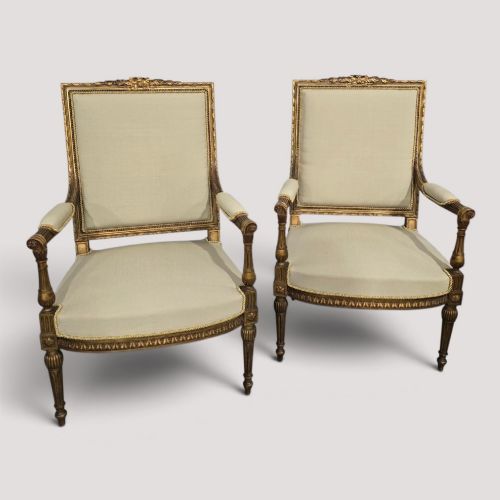
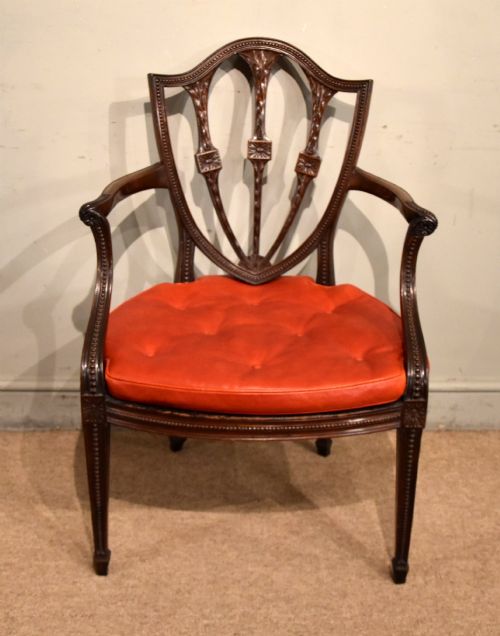
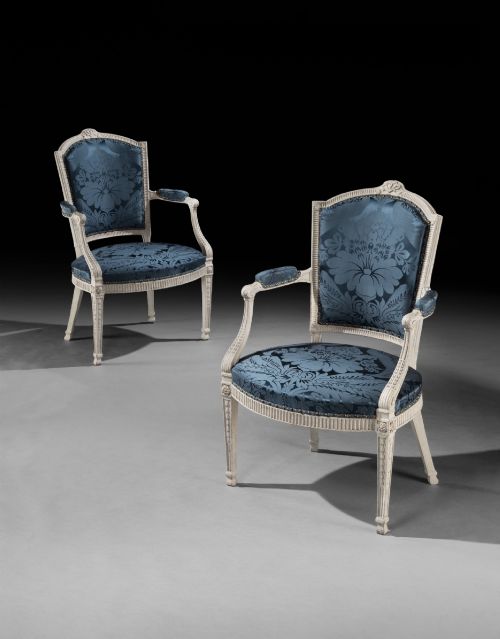
The most common forms on this page include mahogany dining sets and pairs of painted or giltwood armchairs. These pieces reflect stylistic influences such as Louis XVI, George III, and Hepplewhite, combining structured framework with textile seating.
Materials and construction
Frames rely principally on timber such as mahogany, walnut, satinwood, and birch, alongside carved giltwood and painted finishes. Artisans shaped these woods into precise rectilinear or curved profiles, incorporating brass details where appropriate.
Upholstery relies on textile coverings including silk damask, tapestry, and general upholstery fabric. These textiles are secured to padded frames designed for formal or domestic sitting rooms.
Neoclassical Upholstered Chairs Retail Price Guide 2026
Typical asking prices for neoclassical upholstered chairs among the pieces listed under this phrase on Sellingantiques today, from the lower quarter to the upper quarter. They describe what is for sale here now, not the wider market.
Listings feature timber frames in mahogany, walnut, satinwood, and birch alongside painted wood and giltwood surfaces.
Execution and proportion
Quality rests in the crispness of the wood carving and the fidelity of the period style. Superior examples display deeply articulated floral motifs, fluted legs, and well-balanced structural proportions that remain rigid over time.
The choice of surface treatment also distinguishes the range. Original or skilled period paint and gilding, combined with high-grade timber selection and intact joinery, separate standard utility seating from decorative salon pieces.
Henri Jacob
The Neoclassical Upholstered Chairs Glossary
- Giltwood
- Timber coated with a thin layer of gold leaf. This finish creates a reflective, decorative surface suited to formal neoclassical reception rooms.
- Lyre back
- A chair backrest shaped in the outline of a classical lyre instrument. It appears frequently in dining chair designs from the period.
- Directoire style
- A transitional French design period bridging Louis XVI and Empire styles. It emphasises pared-down classical lines and restrained ornament.
- Satinwood
- A durable hardwood with a lustrous, golden-yellow sheen. Cabinetmakers utilised this timber for fine inlay work and decorative veneer panels.
Neoclassical Upholstered Chairs: Frequently Asked Questions
What defines neoclassical upholstered chairs?
These chairs draw inspiration from classical antiquity, featuring straight tapered legs, geometric symmetry, and restrained carved ornamentation.
They utilise woods like mahogany and walnut alongside painted or gilt surfaces to project a sense of architectural order.
How do I identify French versus English styles?
French pieces often showcase curved giltwood frames, exposed carved walnut, and upholstered tub or open armchair profiles.
English equivalents tend to favour mahogany frames with shield backs, straight fluted legs, and Hepplewhite or Sheraton influences.
Where were these chairs used historically?
They served primarily in formal drawing rooms, libraries, and dining spaces of substantial townhouses and country estates.
Pairs of armchairs typically flanked fireplaces or windows, while larger sets furnished dining tables.
Can these chairs be used daily?
Many examples are sturdy enough for regular domestic use, provided the underlying joinery and upholstery webbing remain sound.
Careful placement away from direct sunlight helps preserve delicate silk damask or painted timber finishes.