





Neoclassical Silver Tableware
Neoclassical silver tableware brings restrained lines and classic urn or fluted forms directly to the dining table.
Neoclassical Silver Tableware
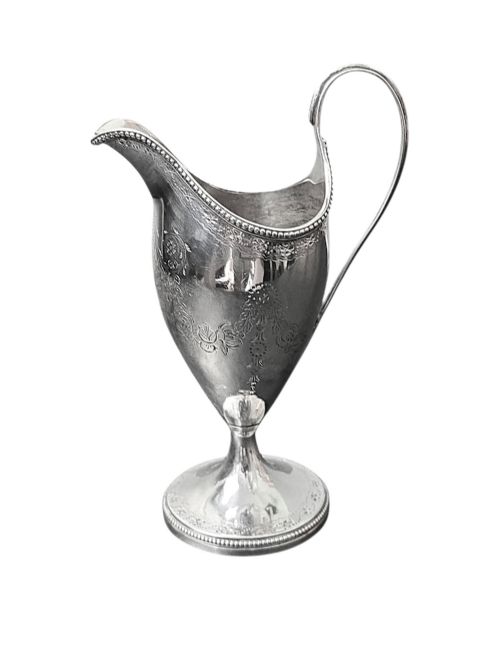
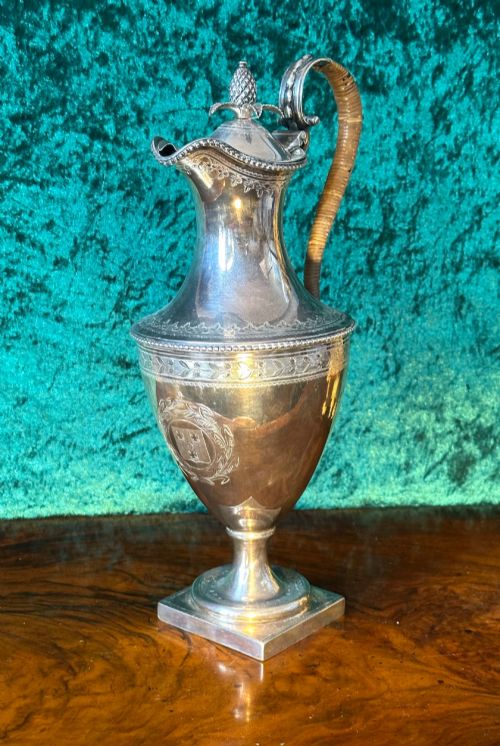
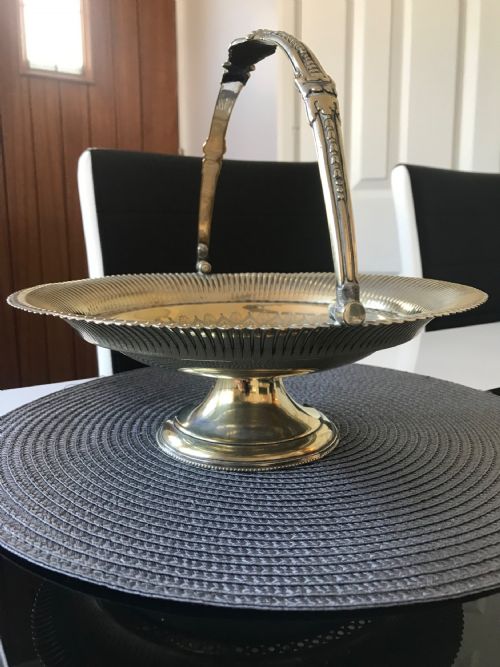
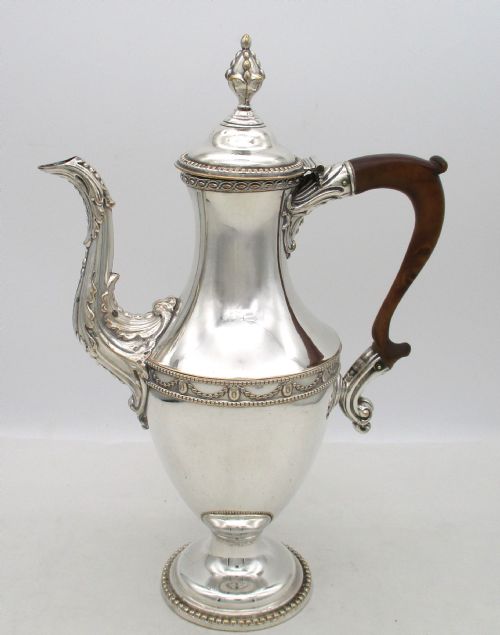
You are most likely to meet serving vessels and table accessories such as coffee pots, ewers, salt boats, cream jugs, and decorative baskets. These items reflect stylistic influences from Georgian and Edwardian interpretations of classical antiquity.
The forms frequently incorporate oval shapes, loop handles, and bright-cut engraving reminiscent of ancient architectural motifs. Such pieces served functional roles in formal dining while displaying refined decorative restraint.
Materials and construction methods
The construction relies heavily on sterling silver and Old Sheffield plate, utilising copper bases fused with silver sheets. Artisans shaped these metals into tall coffee pots, sweetmeat baskets, and candlesticks through rigorous smithing and plating techniques.
Surface ornamentation often employs bright-cut engraving to create crisp geometric patterns across the silver body. Gilt finishes and electroplated nickel silver also appear on select items, adding varied surface textures and tones.
Neoclassical Silver Tableware Retail Price Guide 2026
Typical asking prices for neoclassical silver tableware among the pieces listed under this phrase on Sellingantiques today, from the lower quarter to the upper quarter. They describe what is for sale here now, not the wider market.
Listings feature sterling silver, Old Sheffield plate, and copper across Georgian, Victorian, and Edwardian periods.
Assessing quality in neoclassical silver tableware
Quality reveals itself in the crispness of the bright-cut engraving and the structural integrity of handles and mounts. Superior items maintain balanced proportions and sharp geometric detailing without blurring across the classical motifs.
The choice of material creates a distinct division between solid sterling silver pieces and Old Sheffield plated items. Masterful plating application and intact base metals separate high-grade utilitarian tableware from standard production wares.
The Neoclassical Silver Tableware Glossary
- Bright-cut engraving
- A technique involving faceted V-cut incisions that catch the light to create sparkling geometric borders. This method defines the surface decoration on many Georgian jugs.
- Old Sheffield plate
- An early fusing process where a thin sheet of silver is fused to a thicker copper core. This technique appears on eighteenth-century coffee pots and sweetmeat baskets.
- Sweetmeat basket
- A small decorative vessel used for serving confectionery, nuts, or small sweet treats during formal courses. These baskets frequently feature pierced work or swing handles.
- Tea urn
- A large heated vessel used for boiling and dispensing water for tea service. They often stand on elevated pedestals with spigots.
- Salt boat
- A small open container designed to hold loose salt for individual dining use. They commonly appear as paired table accessories.
Neoclassical Silver Tableware: Frequently Asked Questions
What is neoclassical silver tableware?
Neoclassical silver tableware comprises dining vessels and decorative items inspired by classical Greek and Roman art. These pieces favour straight lines, symmetry, and architectural motifs over ornate rococo curves.
Items in this category range from tall coffee pots and tea urns to delicate fruit baskets and salt boats. They date from the Georgian period through to the Edwardian era.
How were these pieces used?
These items performed practical functions during formal dining and tea service in elite households. Coffee pots and tea urns dispensed hot beverages, while salt boats and sugar baskets held condiments.
Decorative baskets served fruit or sweetmeats during dessert courses. Candlesticks provided illumination for the dining table.
How do I clean silver tableware?
Cleaning requires gentle washing with mild soapy water and a soft cloth to remove dust and oils. Avoid harsh abrasive dips that strip the patina or damage plated surfaces.
For tarnish removal, use a specialist silver polish applied with minimal pressure. Store pieces in dry environments to slow down future oxidation.
How do I tell periods apart?
Differentiating periods relies on observing stylistic details, manufacturing techniques, and hallmarks. Georgian pieces often display hand-beaten construction and delicate bright-cut engraving.
Later Victorian and Edwardian examples may incorporate machine assistance or electroplated nickel silver bases. Examining the underlying metal where plating wears can also indicate the production era.