




Neoclassical Oil Lamps
These neoclassical oil lamps bring classical proportion and rich patination into a room, offering both sculptural presence and functional light.
Neoclassical Oil Lamps
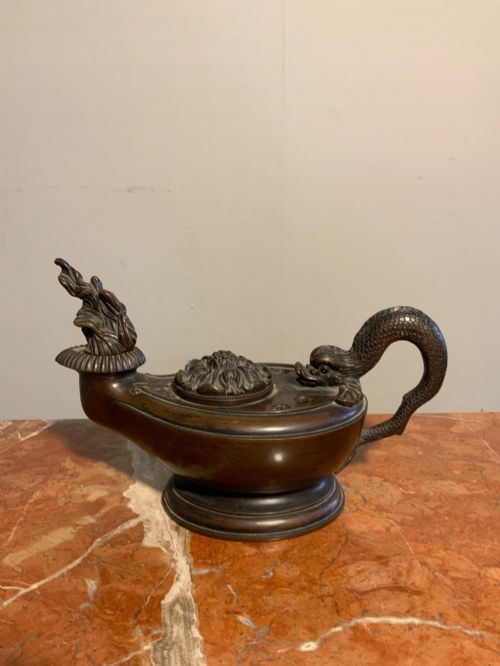
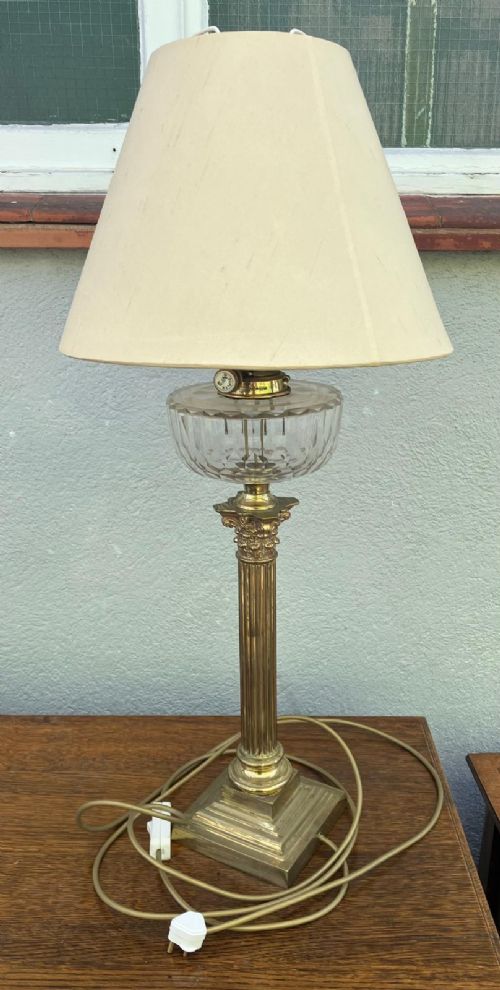
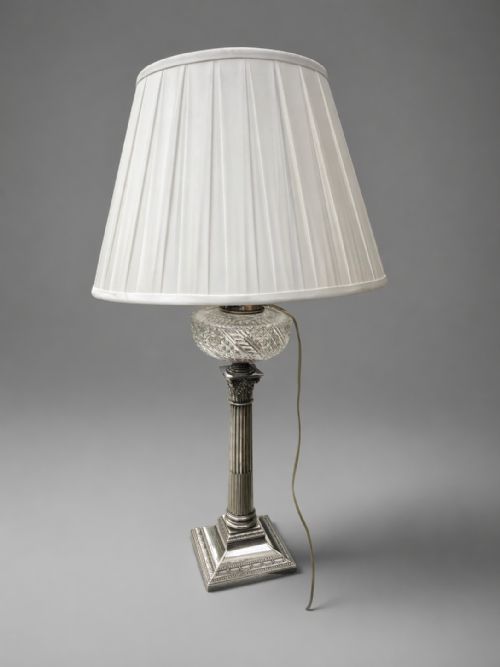
Neoclassical oil lamps draw on classical architectural orders and antiquity, appearing primarily as table lamps, floor lamps, and hanging lights. The most frequent examples on this page take the form of Corinthian column table lamps rendered in brass, silver plate, or bronze.
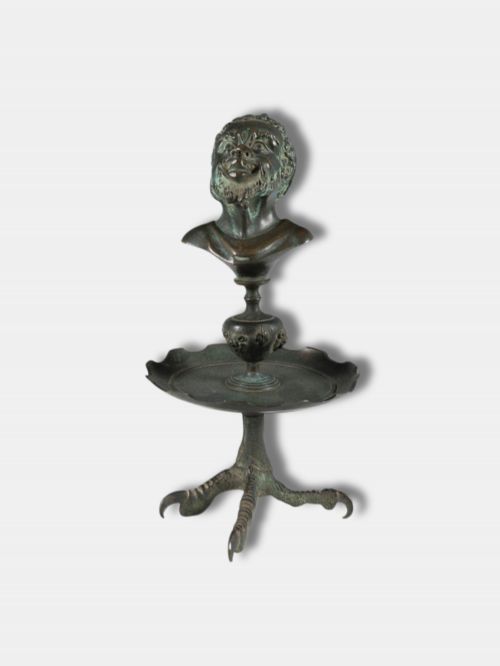
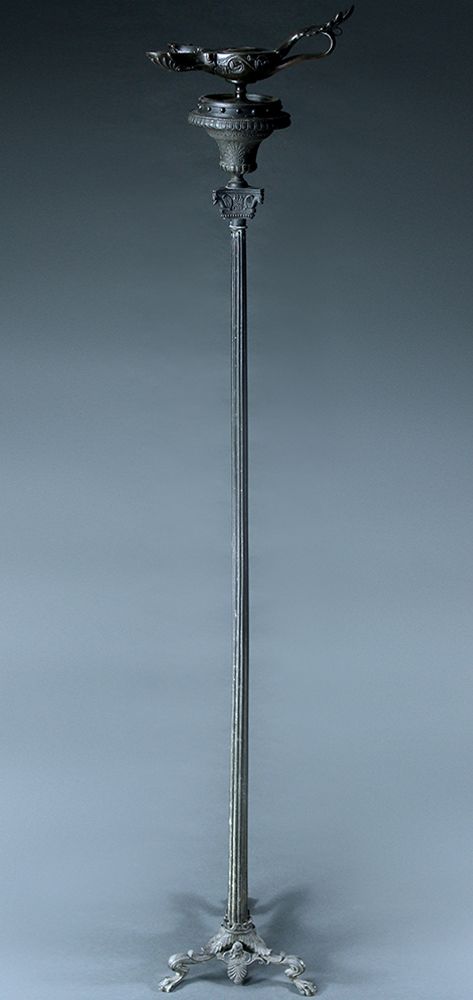
Beyond the standard columns, forms extend to grand tour desk accessories like bronze inkwells, figural pieces featuring satyr busts and eagle's claw feet, and tall floor-standing standards. These objects span the nineteenth century, including Victorian manifestations and revival pieces up to nineteen twenty.
Originating from British, European, and Italian workshops, these pieces often incorporate glass reservoirs or opaline shades. Many have been converted to electricity while retaining their original metalwork structures and classical detailing.
Materials and construction
The primary structural material is cast and turned metal, predominantly brass and bronze, often finished with patination or silver plating. Workshops combined these heavy metals with cut glass or frosted opaline glass reservoirs to hold the fuel.
Surface treatments include parcel gilding on bronze and fine chasing along the fluted shafts of Corinthian columns. Fabric elements appear on shades, whilst structural components utilise threaded brass fittings and heavy cast bases for stability.
Neoclassical Oil Lamps Retail Price Guide 2026
Typical asking prices for neoclassical oil lamps among the pieces listed under this phrase on Sellingantiques today, from the lower quarter to the upper quarter. They describe what is for sale here now, not the wider market.
Listings feature nineteen-century brass, bronze, and silver-plated pieces, spanning Corinthian columns, floor lamps, and inkwells.
Judging quality and execution
Quality rests upon the crispness of the casting in the acanthus leaves of column capitals and the weight of the metal utilised in the base. Finer examples display sharp, hand-chased details rather than soft, mass-produced contours.
The choice of secondary materials marks a distinct grade, such as heavy cut glass reservoirs paired with patinated bronze or silver-plated mounts. Superior execution is also visible in the seamless integration of period conversions where wiring passes discreetly through the classical column.
Hinks
The Neoclassical Oil Lamps Glossary
- Corinthian column
- A classical architectural column style featuring an ornate capital decorated with acanthus leaves. This motif is widely used for the shafts of nineteenth-century table lamps.
- Grand Tour
- A cultural journey undertaken by nineteenth-century elites across Europe, acquiring antiquities and classical souvenir bronzes. Pieces from this context often reflect archaeological discoveries at Pompeii.
- Patinated bronze
- A bronze surface treated with chemical solutions to produce an aged, darkened, or greenish finish. This technique enhances the sculptural depth of figural and architectural pieces.
- Opaline glass
- A type of semi-translucent white or tinted glass popular in Victorian lighting. It diffuses light softly and is frequently found paired with brass metalwork.
- Colza hanging light
- A ceiling fixture designed to burn colza oil, an eighteenth and nineteenth-century vegetable oil. These hanging variants often incorporate elaborate gilt bronze and patinated metal frames.
Neoclassical Oil Lamps: Frequently Asked Questions
Can I use these lamps with modern bulbs?
Most of these antique lamps have been converted from oil to electricity during their long histories. They accept standard modern bulbs while keeping their historic brass or bronze bodies intact.
For safety, check the internal wiring with a qualified electrician before daily use in your home.
How do I clean brass and bronze?
Dust metal surfaces gently with a soft, dry cloth to prevent the buildup of grime. Avoid chemical metal polishes that can strip away historic patination.
Preserving the original surface finish maintains the character and visual depth of nineteenth-century metalwork.
Were all these pieces made in Britain?
While many Victorian examples originated in British workshops, others derive from continental makers or Italian artisans associated with the Grand Tour. The stylistic vocabulary draws directly on classical antiquity and revival movements across Europe.
Materials such as Italian bronze and British brass share similar neoclassical design principles.
What is an opaline glass reservoir?
Opaline glass is a semi-opaque material used for the fuel containers or shades on nineteenth-century lighting. It provides a milky diffusion of light that complements polished metal columns.
These glass components range from frosted finishes to delicate contrasting colours paired with bronze bases.