

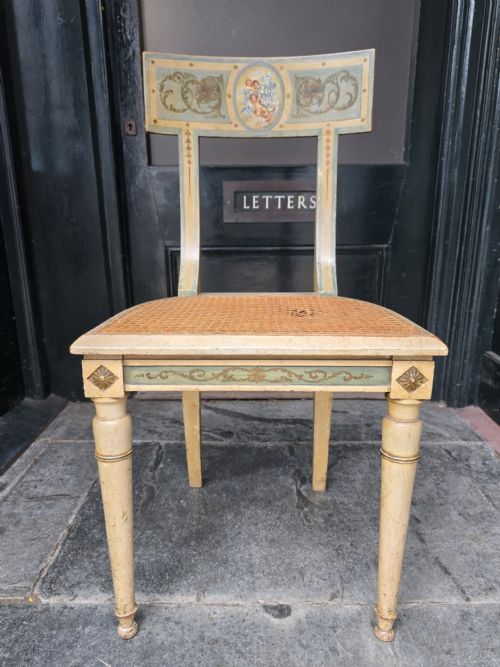


Neoclassical Hall Chairs
Neoclassical hall chairs bring formal architectural lines and refined ornament to a hallway, offering both a decorative anchor and a sturdy seat.
Neoclassical Hall Chairs
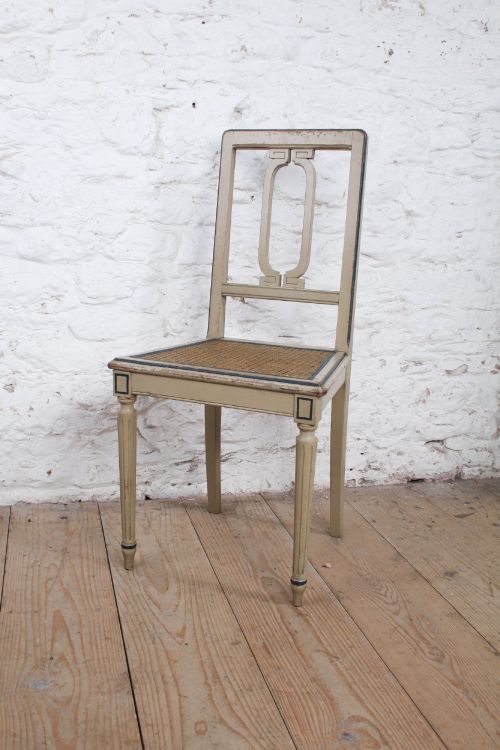
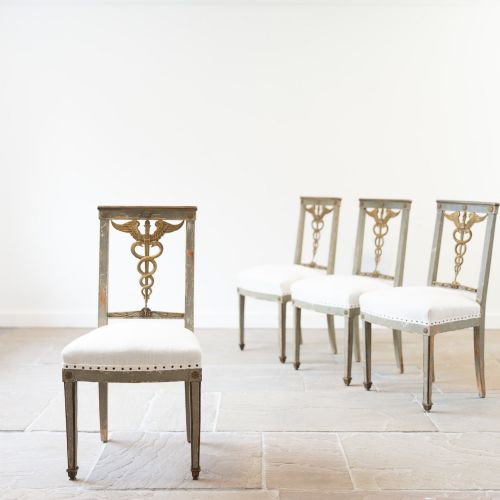
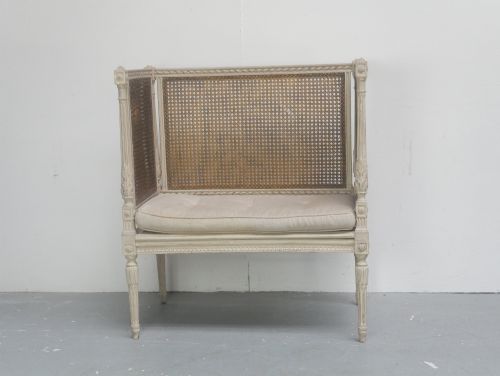
Neoclassical hall chairs encompass formal seating pieces designed to reflect the classical antiquity revivals of the eighteenth and nineteenth centuries. When you search for neoclassical hall chairs, you encounter side chairs, armchairs, settees, and salon chairs shaped by Georgian, Regency, and Louis XVI design vocabularies.
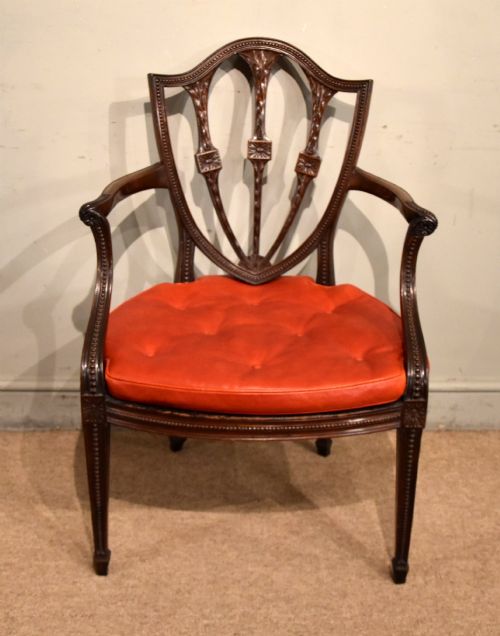
The materials recorded in these pieces include mahogany, fruitwood, and painted wood, often paired with cane, fabric, brass, and leather. You are most likely to meet mahogany side chairs and armchairs bearing the characteristic shield backs and carved details associated with Hepplewhite and Georgian makers.
Originating across English and French workshops, these seats range from eighteenth-century originals to later nineteen-hundred interpretations. Each piece combines structural timber with decorative paint or carved motifs to create a striking architectural presence.
How they were made
Makers shaped these chairs primarily from solid timbers like mahogany and fruitwood, relying on traditional joinery to ensure lasting stability. Hand carving brought classical motifs to life on shield backs and frame rails, while painted wood surfaces introduced alternative decorative finishes.
Upholstered elements incorporated fabric, leather, and cane to provide seating comfort within rigid architectural frames. Brass components occasionally added structural or decorative accents, completing the detailed construction seen across the pieces.
Neoclassical Hall Chairs Retail Price Guide 2026
Typical asking prices for neoclassical hall chairs among the pieces listed under this phrase on Sellingantiques today, from the lower quarter to the upper quarter. They describe what is for sale here now, not the wider market.
Hall chairs often stood in drafty corridors to remind lingering guests that their carriage awaited outside.
What varies in quality
The distinction between standard and superior pieces rests in the crispness of the hand carving and the selection of dense timbers. Finer examples display deeply articulated motifs and carefully proportioned shield backs that demonstrate exceptional craftsmanship.
Original painted finishes and untouched timber patination elevate a piece above later adaptations or heavily restored surfaces. The integrity of the underlying joinery and the harmonious integration of brass or cane elements further separate ordinary seating from high-end examples.
The Neoclassical Hall Chairs Glossary
- Shield back
- A chair back shaped like a heraldic shield, popular in Hepplewhite and Georgian design. This contour defines many neoclassical side chairs.
- Side chair
- An upright chair without arms, designed for dining or hall use. These pieces form the majority of surviving seating sets.
- Fruitwood
- Dense timber harvested from fruit-bearing trees, utilised for cabinetmaking and chair frames. It offers a smooth grain suited to fine carving.
- Regency
- An English stylistic period spanning the early nineteenth century, drawing heavily on classical Roman and Greek forms. Pieces from this era feature clean lines and architectural restraint.
- Cane
- Woven rattan or plant material stretched across chair frames to form breathable seats or backs. It provides a light, textured contrast to solid timber.
Neoclassical Hall Chairs: Frequently Asked Questions
Where should I place a neoclassical hall chair?
These chairs suit entryways, hallways, and landings where their architectural backs and formal lines can be viewed without obstruction. They function primarily as decorative accent pieces rather than casual lounge seating.
Parks and large rooms also accommodate pairs of side chairs against blank walls or beneath mirrors to enhance the classical aesthetic of an interior.
How do I identify Georgian pieces?
Georgian seating relies on substantial mahogany timbers, precise hand carving, and distinct structural forms like shield backs. Look for traditional joinery methods and proportions typical of eighteenth-century workshops.
Comparison with later nineteenth-century interpretations reveals sharper detail in original Georgian carving and a deeper natural patination on the wood surface.
Are painted wood chairs authentic antiques?
Original painted wood finishes appear on pieces from the eighteenth and nineteenth centuries, often associated with French neoclassical and Regency styles. Paint was utilised alongside mahogany and fruitwood to achieve decorative contrast.
Examination of the pigment layer helps distinguish period painted surfaces from later decorative treatments applied in the twentieth century.
Can I use a hall chair for daily seating?
While structurally sound, these chairs were designed for formal reception spaces and short-term seating rather than heavy daily use. Their rigid timber frames and antique joinery require gentle treatment to preserve their condition.
Placing them in low-traffic hallways ensures they remain decorative focal points while avoiding undue wear on delicate cane or antique fabric.