
Neoclassical Furniture
Neoclassical furniture brings strict proportion, classical ornament and disciplined timber selection into domestic rooms.
Neoclassical Furniture
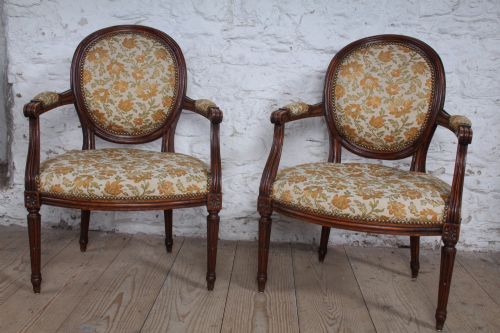
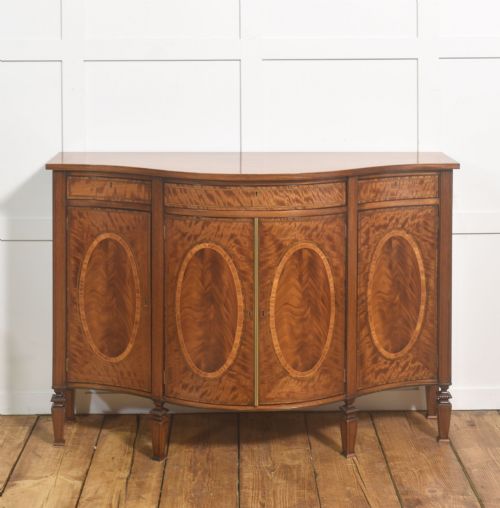
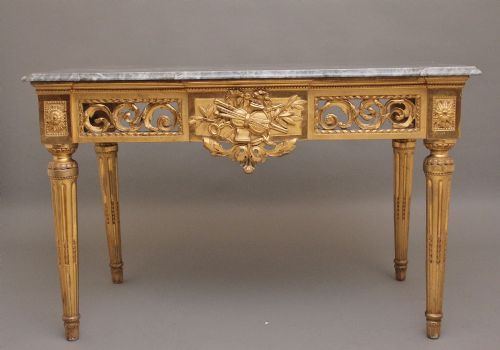
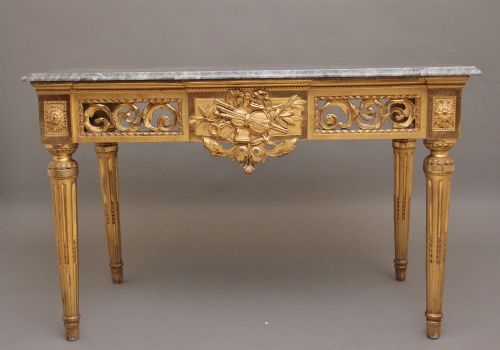
Neoclassical furniture encompasses console tables, commodes, sideboards, desks and seating designed under the influence of eighteenth- and nineteenth-century classical revival movements. Pieces range from eighteenth-century Italian giltwood consoles and French walnut commodes to later revivals such as Sheraton and Edwardian satinwood pieces.
The common domestic forms on this page include bedside cabinets, chests of drawers, armchairs and side tables originating from French, Italian, Swedish and English workshops. Buyers encounter both period examples from the eighteenth and early nineteenth centuries and later interpretations dating from the Victorian, Edwardian and early twentieth-century eras.
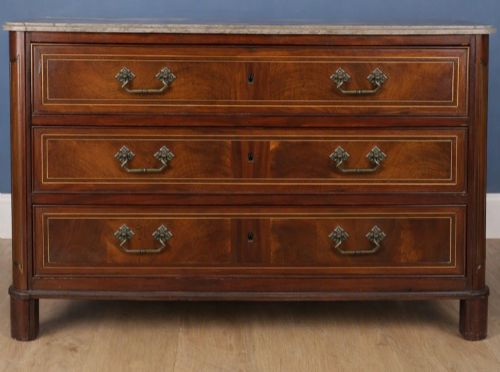
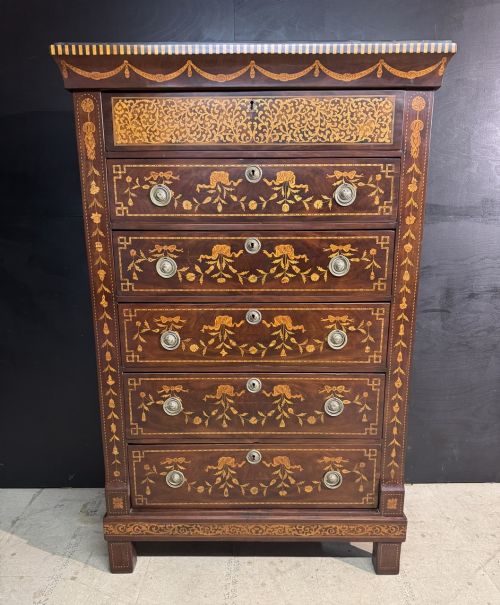
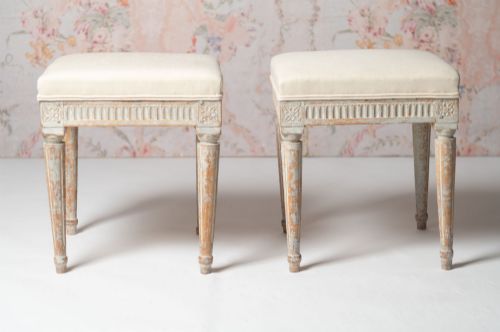
Regional variations shape the selection, moving from Gustavian painted benches and stools from Sweden to French Empire mahogany dressing tables and Dutch marquetry tall chests. Each style adopts classical motifs like columns, fluting, and symmetrical brass mounts translated into local timbers and workshop traditions.
Materials and construction methods
Makers utilised dense cabinet timbers including mahogany, walnut, satinwood, fruitwood and kingwood, often laid as marquetry or crossbanded veneers over robust carcases. Elm, beech and solid pine appear in regional seating and painted console tables.
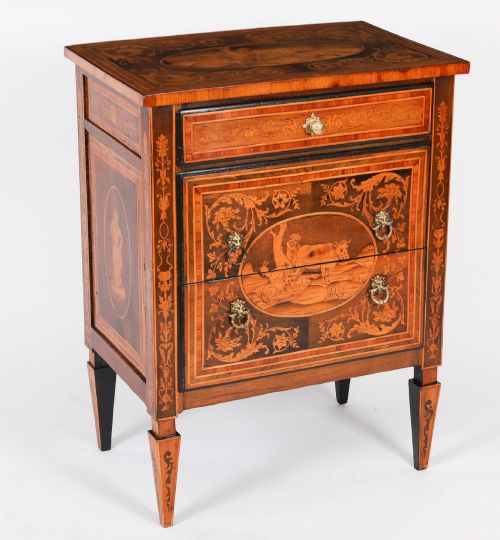
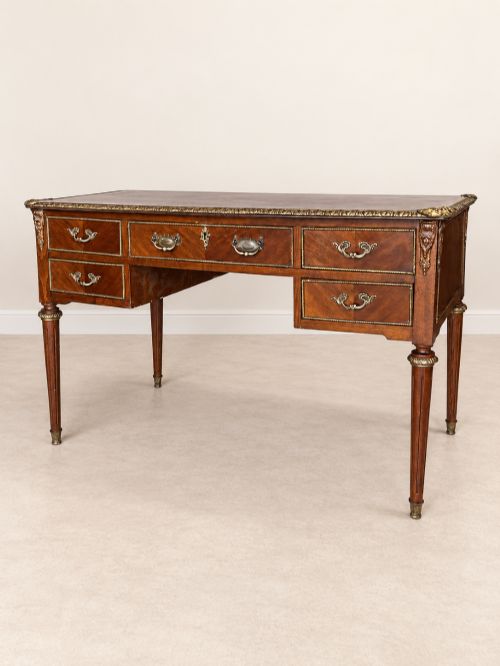
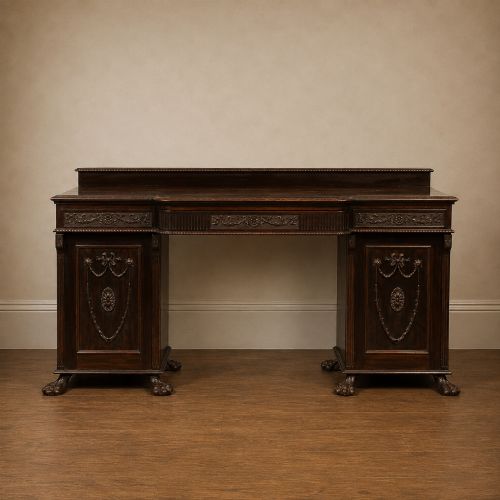
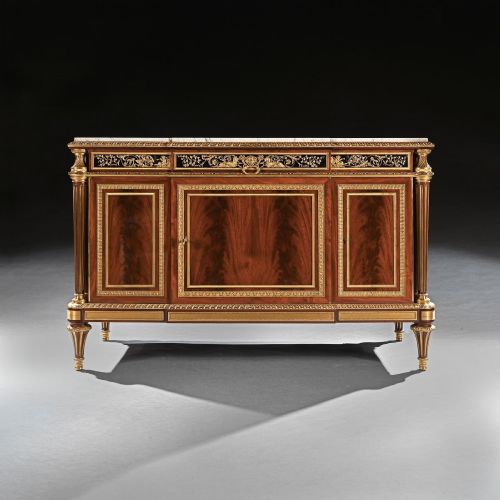
Decorative surfaces rely on cast or chased ormolu and gilt bronze mounts, painted parcel gilt finishes, and intricate marquetry in contrasting woods. Marble tops frequently cap commodes and console tables, while brass hardware secures doors and drawers.
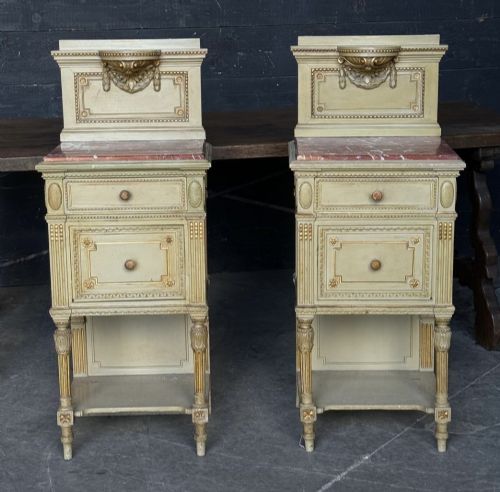
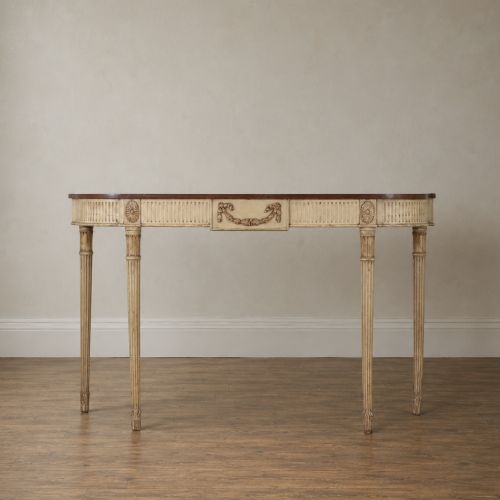
Several Swedish pieces on this page prove that eighteenth-century cabinetmakers knew the value of a pale coat of paint long before modern minimalist trends arrived.
Quality and execution
The standard of a piece rests upon the crispness of its carved ornament and the precision of its timber selection. Finer examples display meticulously fitted marquetry panels, sharp giltwood gesso work, and heavy, detailed cast bronze mounts rather than pressed metal replacements.
Structural integrity and the retention of original surface finishes separate workshop tiers. Pieces retaining untouched patination, original painted or parcel gilt schemes, and substantial matching hardware command closer alignment with their period design sources.
Jacob-Desmalter·Henry Dasson·Mercier Frères·James Hicks·Jewell of Holborn
The Neoclassical Furniture Glossary
- Ormolu
- Gilded bronze applied as mounts, feet, and decorative hardware on furniture. It adds bright metallic contrast to dark woods like mahogany.
- Marquetry
- Inlay work using various coloured woods to create pictorial or geometric patterns on furniture surfaces. It requires precise cutting and fitting of thin veneer slices.
- Commode
- A low chest of drawers or cabinet developed in France during the eighteenth century. These pieces often feature marble tops and elaborate mounts.
- Gustavian
- The Swedish interpretation of French neoclassical style, characterised by lighter proportions, pale painted finishes, and restrained classical carving. It emerged during the late eighteenth century.
- Crossbanding
- A border of veneer laid around the perimeter of a panel with the grain running perpendicular to the central panel. This technique frames drawer fronts and tabletops.
Neoclassical Furniture: Frequently Asked Questions
How do I identify French Empire pieces?
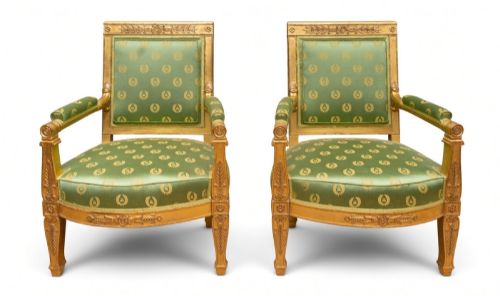
French Empire pieces rely on dense mahogany timbers combined with heavy fire-gilded bronze mounts and martial or classical motifs. They date primarily from the early nineteenth century and reflect Napoleon's taste for imperial Roman grandeur.
Look for architectural symmetry, columns, sphinxes, and eagles integrated into the design of desks, commodes and tables. The construction prioritises imposing scale and smooth, polished wood surfaces.
What is the difference between Gustavian and Italian neoclassical?
Gustavian pieces originate from Sweden and favour pale cream or grey painted finishes, simplified fluting, and modest proportions designed to reflect northern light. They feel domestic and restrained compared to their continental peers.
Italian neoclassical furniture, by contrast, frequently employs rich giltwood, ebonised details, highly figured walnut, and heavy marble tops. Italian console tables and commodes display exuberant carving and dramatic scale.
Where should I place a console table?
Console tables suit entrance halls, living rooms, and dining areas where surface space and architectural presence are required. Their shallow depth allows them to sit flat against walls without blocking walkways.
Pair a giltwood or painted console with a matching mirror or artwork hung directly above to complete the classical symmetry. Ensure the height aligns comfortably with surrounding wainscoting or door frames.
Are Edwardian revival pieces well made?
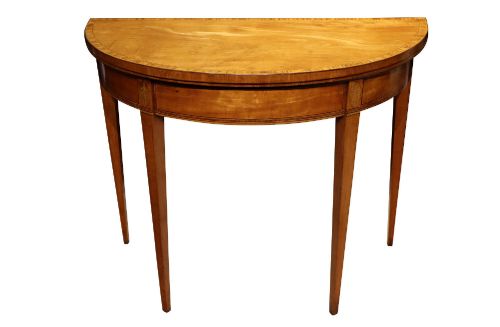
Edwardian revival furniture, particularly satinwood pieces from the early twentieth century, often exhibits exceptional cabinetmaking skills. Workshops revived eighteenth-century Sheraton and Adam designs using high-grade timbers and delicate inlay.
These later items offer robust structural stability alongside classical aesthetics. They provide a practical alternative to fragile eighteenth-century originals while maintaining decorative refinement.