



Neoclassical Female Figure
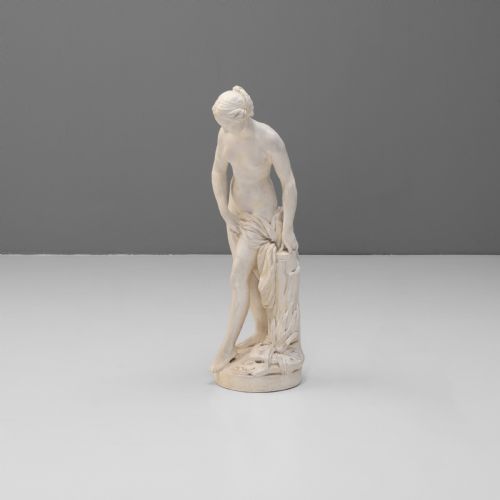
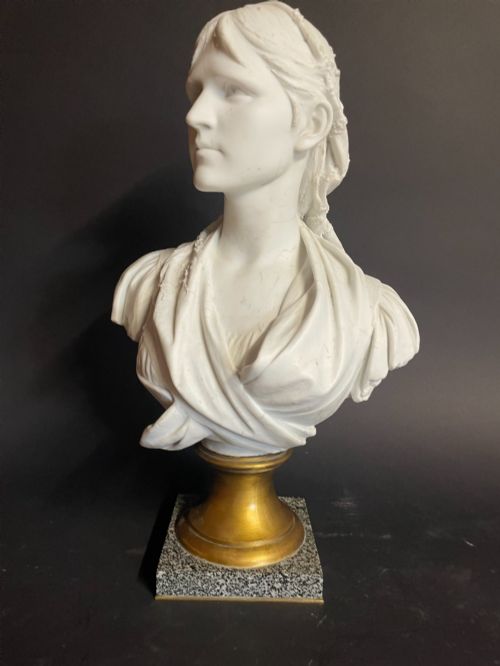
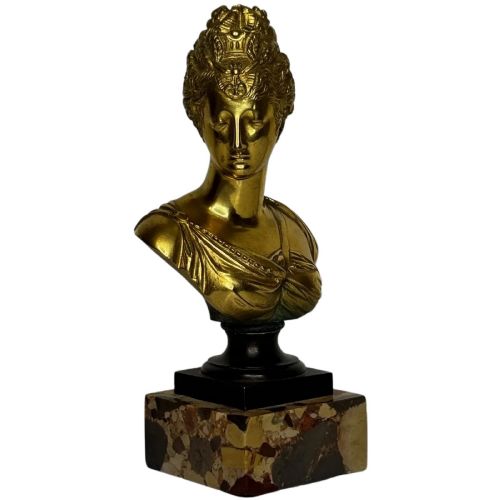
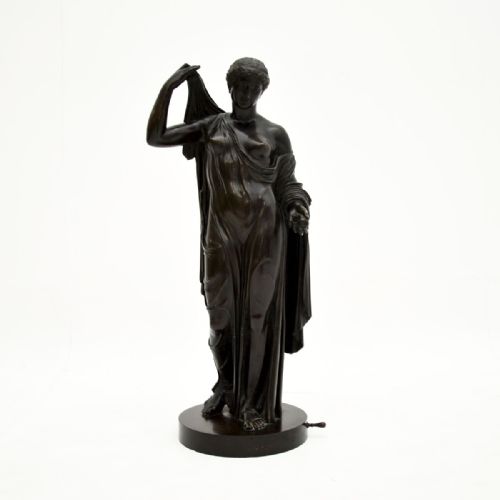
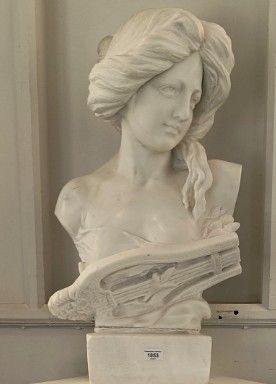
A neoclassical female figure captures the poise of antiquity in marble, bronze and terracotta, bringing classical balance into a room.
Neoclassical Female Figure
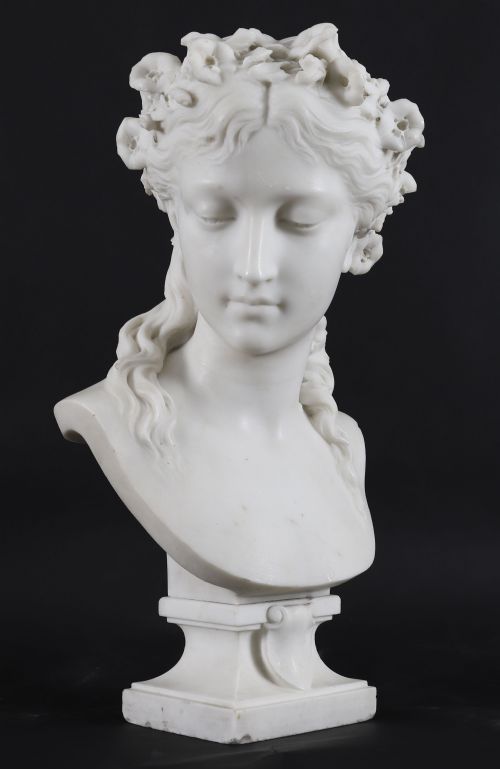
A neoclassical female figure represents goddesses, muses and classical maidens drawn from mythology and antiquity. These pieces appear most frequently as nineteenth-century bronzes, carved marble busts and Grand Tour reductions.
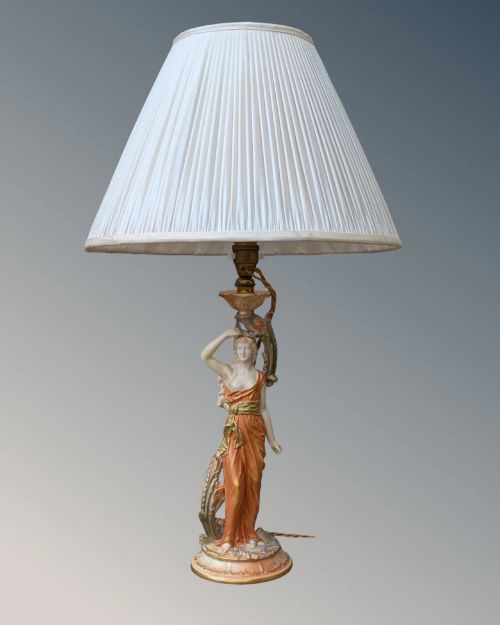
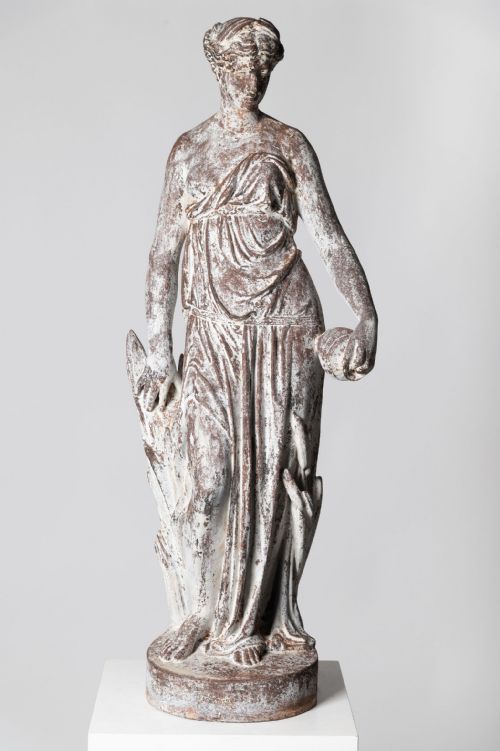
The selection ranges from life-sized garden statues and figural torcheres to cabinet bronzes and porcelain figurines. Subjects span mythological figures like Venus, Diana and the muses, alongside portraits of historical and classical ladies.
Originating largely from French, Italian and English workshops, these sculptures reflect the enduring European fascination with classical forms throughout the eighteenth and nineteenth centuries.
How They Were Made
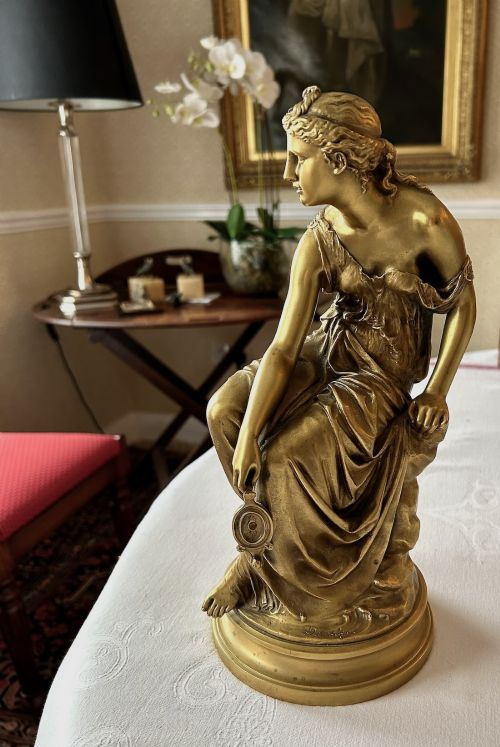
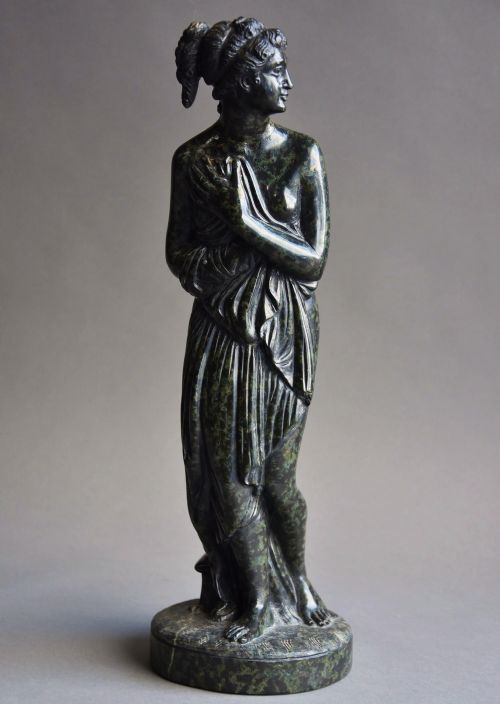
Foundries utilised the lost-wax method for bronze castings, allowing crisp detail in drapery and hair. Marbles were hand-carved from Carrara and serpentine, often following classical archetypes or after works by celebrated sculptors.
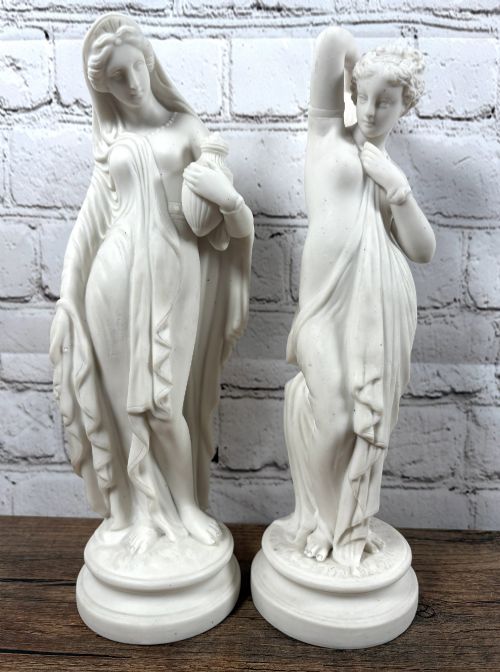
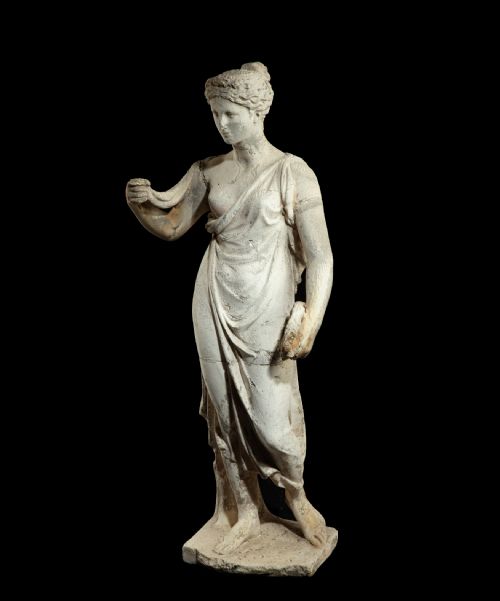
Plaster, stucco and terracotta provided media for moulded figures, sometimes finished with patination or gilt. Parian ware and porcelain pieces relied on specialised ceramic moulds to capture fine classical detail in nineteenth-century production.
Neoclassical Female Figure Retail Price Guide 2026
Typical asking prices for neoclassical female figure among the pieces listed under this phrase on Sellingantiques today, from the lower quarter to the upper quarter. They describe what is for sale here now, not the wider market.
Several ladies hold unexpected lighting duties, doubling as elegant bronze torcheres or porcelain lamps.
What Varies in Quality
The definition and depth of the carving or cast dictate the quality of a piece. Finer sculptures show careful attention to the fall of drapery, the expression of the face and the smoothness of the finish.
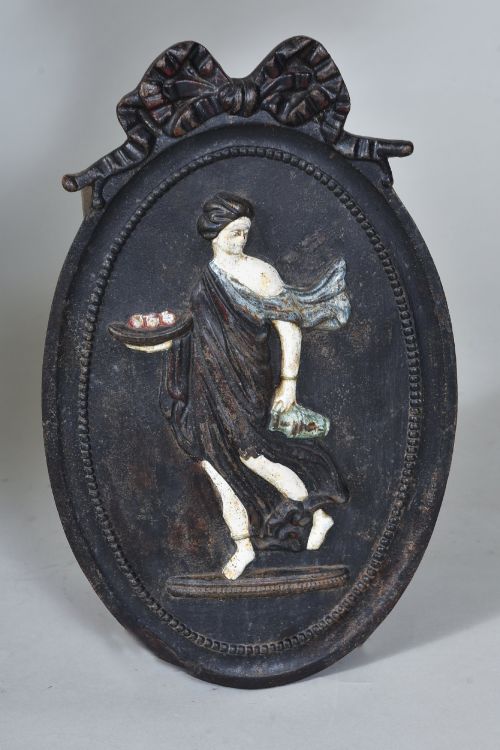
Foundry marks and signatures provide indicators of origin, distinguishing workshop production from standard commercial casts. The choice of material, from solid Carrara marble to cast iron and patinated bronze, shapes the character of each piece.
Etienne-Henri Dumaige·Ferdinand Barbedienne·Eugene Aizelin·Carrier-Belleuse·Humphrey Hopper
The Neoclassical Female Figure Glossary
- Grand Tour
- A traditional trip undertaken by European aristocrats to study classical art and antiquities. Figures acquired on these journeys often included small bronze or marble reductions of famous statues.
- Torchere
- A stand or sculpture designed to carry a light source or lamp. These frequently take the form of classical female figures holding torches or lights.
- Parian ware
- A fine-grained unglazed porcelain developed in the nineteenth century. It resembles carved marble and was widely utilised for portrait busts and classical figures.
- Lost-wax casting
- A metal-casting method where a molten metal is poured into a mould that has been created by means of a wax model. This technique permits intricate undercut details in bronze figures.
- Serpentine
- A dark green or mottled mineral resembling marble. It was frequently used for Grand Tour carvings and decorative objects.
Neoclassical Female Figure: Frequently Asked Questions
Where were these sculptures made?
Production centred on major European artistic hubs, particularly in France, Italy and England. Foundries in Paris and Rome produced many of the bronzes and Grand Tour pieces.
English potteries and workshops also contributed significant figures in porcelain, parian ware and plaster during the nineteenth century.
How do I style a marble bust?
Marble busts and figures work well placed on columns, mantelpieces or sturdy sideboards where their weight is supported. Neutral backgrounds allow the pale stone or white marble to stand out effectively.
Positioning them away from direct heat sources helps protect the stone and any historical patination from damage over time.
What are Grand Tour figures?
Grand Tour figures are portable sculptures purchased by travellers visiting the cultural sites of Italy and Europe during the eighteenth and nineteenth centuries. They served as tangible records of classical art encountered abroad.
These reductions of famous antiquities allowed collectors to display classical taste within their private homes.