



Neoclassical Center Table
These neoclassical centre table pieces bring formal proportion and classical detail to a room, spanning French Empire to Italian designs.
Neoclassical Center Table
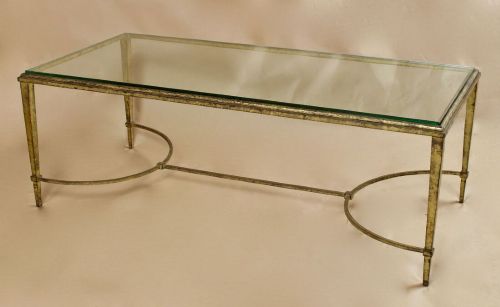
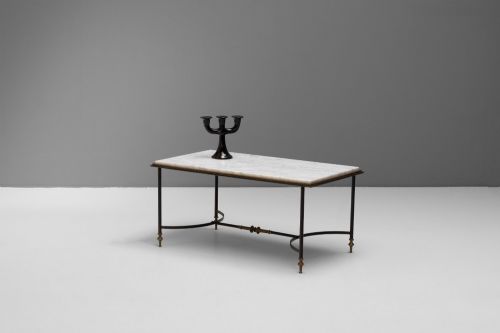
A neoclassical centre table sits freestanding in a room, drawing on classical motifs like columns, pilasters, and geometric symmetry. Pieces range from large nineteenth-century specimens to smaller twentieth-century coffee and occasional tables.
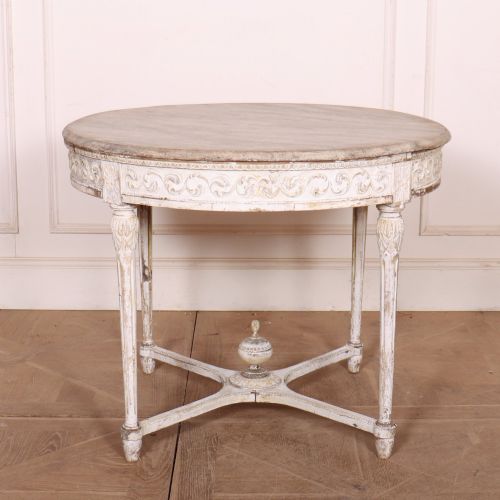
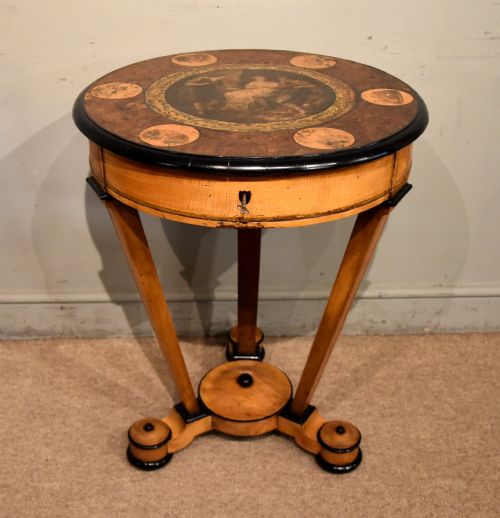
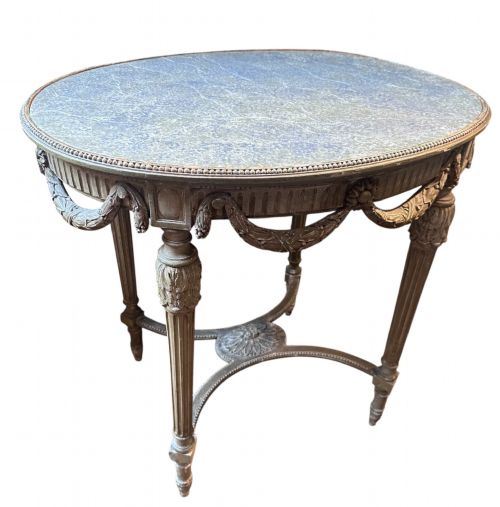
French Empire and Louis XVI styles dominate the selection, alongside Italian, Swedish Biedermeier, and revival pieces. Forms vary from circular marble-topped guéridons to inlaid mahogany writing tables and oval occasional tables.
Materials and construction
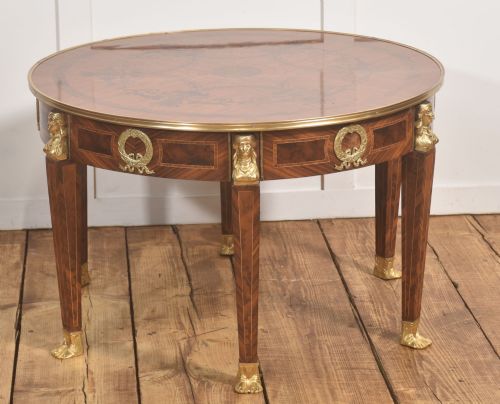
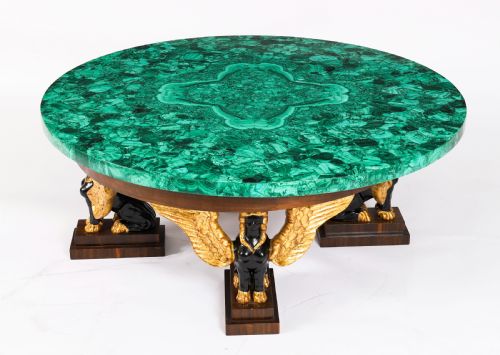
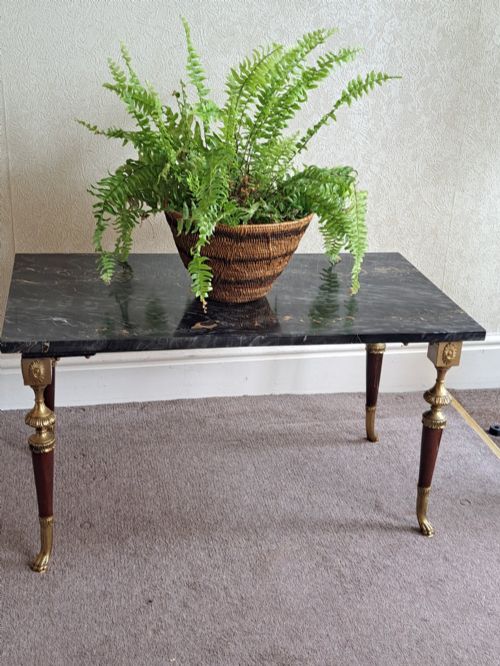
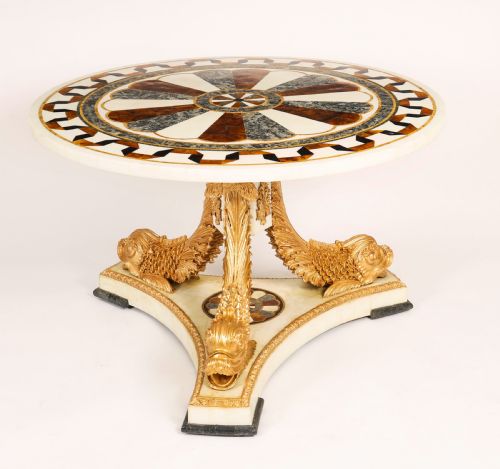
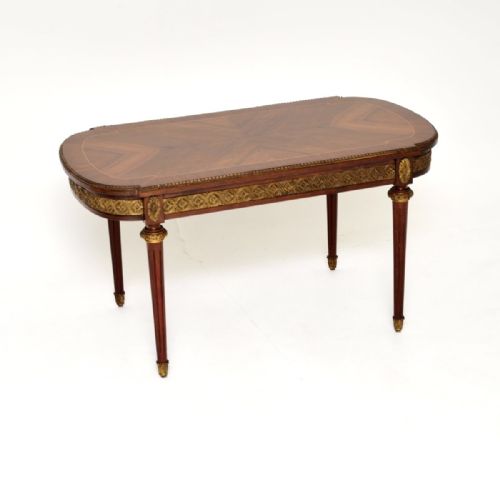
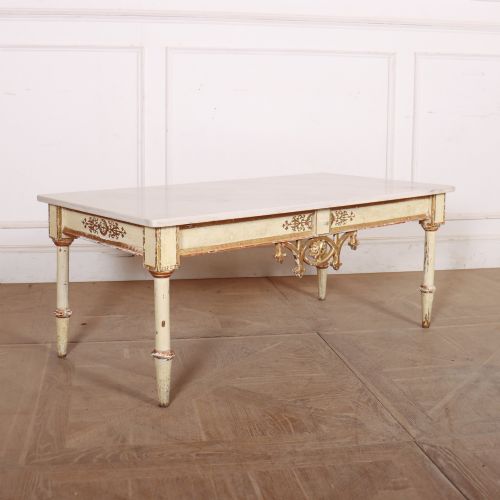
Cabinetmakers utilised dense timbers like mahogany, walnut, satinwood, and ebonised wood, often enhanced by marquetry, inlay, or specimen wood veneers. Tops frequently feature white, purple, or porphyry marble, sometimes inset with pietra dura or malachite.
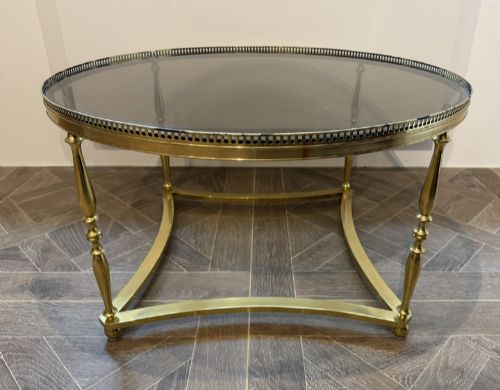
Metal ornament defines the aesthetic, with ormolu, polished brass, and giltwood mounts framing legs and aprons. Wrought iron and carved details appear on Swedish and French iterations from the nineteenth and twentieth centuries.
Neoclassical Center Table Retail Price Guide 2026
Typical asking prices for neoclassical center table among the pieces listed under this phrase on Sellingantiques today, from the lower quarter to the upper quarter. They describe what is for sale here now, not the wider market.
Several tables feature carved rams heads keeping watch over the parlor floor.
Judging the quality
Execution of the carving and precision of the wood inlay separate standard examples from finer works. Crispness in cast ormolu mounts and the selection of marble indicate the original workshop's ambition.
Coherence of the classical vocabulary matters, as better pieces integrate structural supports like rams heads, columns, and gilt bronze ornaments with genuine architectural harmony.
Maison Ramsay
The Neoclassical Center Table Glossary
- Guéridon
- A small freestanding French table, often round and supported by a central column or tripod base. These forms became central to neoclassical seating arrangements.
- Ormolu
- Gilded bronze mounts applied to furniture edges and legs. This technique adds metallic contrast to dark mahogany and walnut surfaces.
- Pietra dura
- Inlaid work using cut and fitted polished coloured stones to create pictorial designs. It appears on the tops of grander tables.
- Marquetry
- Decorative patterns formed by fitting together thin veneers of various woods. Craftspeople used this method to create geometric and floral tabletop motifs.
- Porphyry
- A hard purple-red igneous rock containing crystals of feldspar. It was prized in antiquity and used for decorative table tops.
Neoclassical Center Table: Frequently Asked Questions
Where do I place a centre table?
These tables are designed to stand freestanding in the middle of a room or grand hallway rather than pushed against a wall. They function as focal points where people can walk entirely around the piece.
Smaller coffee table variants work well positioned centrally within a seating arrangement, holding books or decorative objects.
How do I care for marble tops?
Marble surfaces require wiping with a soft, damp cloth and gentle soap to avoid acid staining from spills. Natural stone is porous, so coasters protect the polish from liquids.
Applying a specialist wax helps maintain the sheen on older marble without damaging the underlying stone.
What is an Empire guéridon?
An Empire guéridon is a round freestanding table popular in the nineteenth century, typically featuring a central pedestal or columns. They often incorporate classical brass mounts, mahogany, and marble tops.
These pieces reflect the formal architectural taste of the period.
How do I spot a revival piece?
Revival pieces draw on earlier classical vocabularies like Louis XVI or Empire styles but were manufactured decades later, often in the early twentieth century. Construction methods, secondary woods, and standardised hardware help distinguish them from nineteenth-century originals.
Both periods share the same classical motifs and decorative restraint.