



Neoclassical Bronze Art
Neoclassical bronze art brings classical antiquity into interior spaces through cast metal sculptures, plaques, and decorative objects.
Neoclassical Bronze Art
Neoclassical bronze art encompasses cast metal sculptures, figures, and decorative furnishings shaped by classical antiquity and revivalist movements. These pieces draw directly on Greek and Roman mythology, sculpture, and architectural motifs.
Buyers encountering this selection will find nineteenth-century figures, plaques, and fireplace furniture alongside later twentieth-century interpretations. Formats range from miniature figures and wall plaques to large fenders and candelabras.
The aesthetic prioritises formal balance, narrative depth, and historical subjects such as muses, classical females, and mythological groups. Makers adapted these ancient themes into domestic items suited for nineteenth-century interiors.
How neoclassical bronze art was made
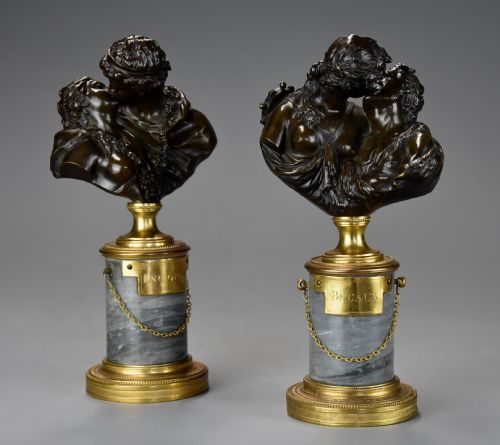
Foundries utilised traditional casting methods to shape molten bronze into intricate figures, plaques, and decorative mounts. Artisans applied patination treatments to achieve varied surface tones, ranging from deep dark finishes to bright gilt bronze and ormolu.
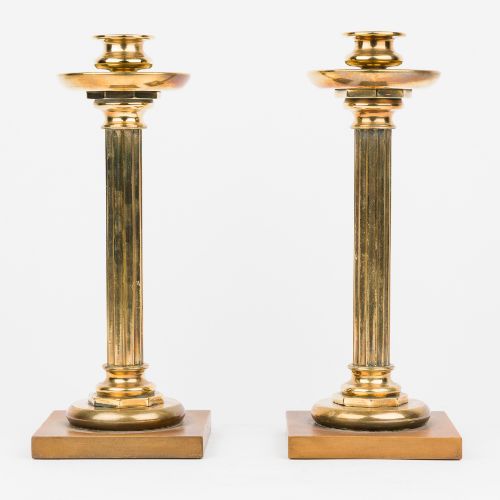
Many works incorporate secondary materials such as marble bases, brass fittings, velvet linings, and wooden elements to complement the cast metal. These mixed media compositions enhanced the decorative presence of fireplace fenders, candlesticks, and table sculptures.
Neoclassical Bronze Art Retail Price Guide 2026
Typical asking prices for neoclassical bronze art among the pieces listed under this phrase on Sellingantiques today, from the lower quarter to the upper quarter. They describe what is for sale here now, not the wider market.
Even a stern nineteenth-century muse needs good company, whether flanked by putti on a wall plaque or keeping watch over a fireplace fender.
What varies in quality
Quality rests primarily in the precision of the cast and the crispness of the chased surface detail. Finer works display sharply defined facial expressions, flowing drapery, and careful hand-finishing that brings out anatomical and narrative nuance.
The depth and uniformity of the patination or gilding significantly influence the visual impact of the piece. Superior examples maintain rich surface tones and integrated secondary materials like marble or ormolu that remain stable and harmonious.
E F Caldwell New York·Susse Freres·James Pradier·Coalbrookdale
The Neoclassical Bronze Art Glossary
- Patinated bronze
- Bronze that has been treated chemically or thermally to produce a specific surface colour or dark finish. This layer protects the metal and defines the visual shadows.
- Ormolu
- Finely ground high-carat gold applied to a bronze base using a mercury amalgam technique. This creates a brilliant golden decorative surface.
- Plaque
- A flat or low-relief decorative panel meant for wall display. These often depict mythological or figural scenes cast in metal.
- Neoclassical revival
- A renewed artistic movement drawing inspiration from classical Greek and Roman art. It dominated much nineteenth-century design and decorative output.
Neoclassical Bronze Art: Frequently Asked Questions
What is neoclassical bronze art?
Neoclassical bronze art consists of metal sculptures, plaques, and furnishings inspired by the aesthetic of classical antiquity. These pieces date primarily from the nineteenth and early twentieth centuries.
They reflect historical revival styles through mythological subjects, classical figures, and formal decorative elements designed for interior display.
How are bronze sculptures finished?
Foundries used chemical treatments and hand-polishing to give bronze surfaces specific colours and sheens. Common finishes include dark patination, bright gilding, and ormolu.
These surface treatments enhance the sculptural contours and protect the underlying metal from environmental wear.
Where were these pieces displayed?
These decorative metalworks were created for formal nineteenth-century drawing rooms, libraries, and grand domestic interiors. Items ranged from tabletop figures to large fireplace fenders.
They served both functional and decorative roles, often matching architectural motifs within the home.
How do I identify a period piece?
Period identification relies on examining casting techniques, material combinations, and stylistic markers typical of the nineteenth century. Many works reference specific sculptors or classical prototypes.
Secondary materials like marble bases and wooden mounts also offer clues to the date and origin of the manufacture.