



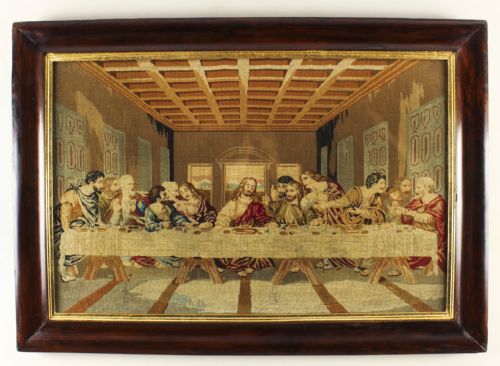
Needlepoint Wall Hanging
A needlepoint wall hanging brings texture, history, and narrative depth to a room through centuries of hand-stitched wool and silk.
Needlepoint Wall Hanging
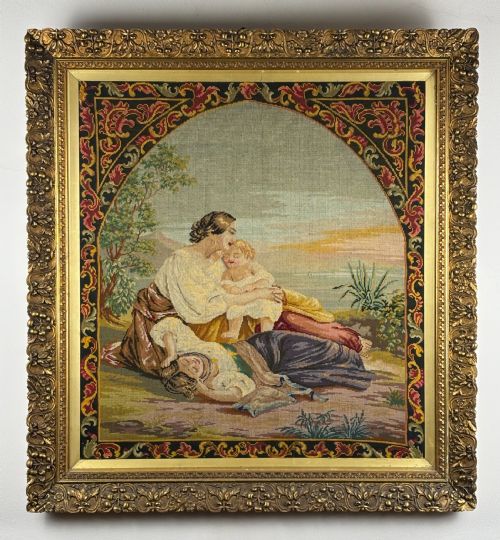
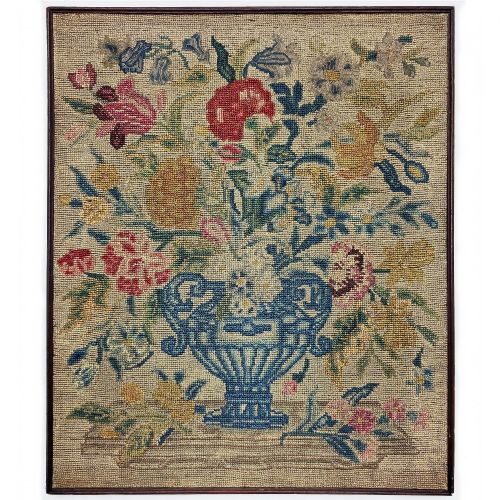
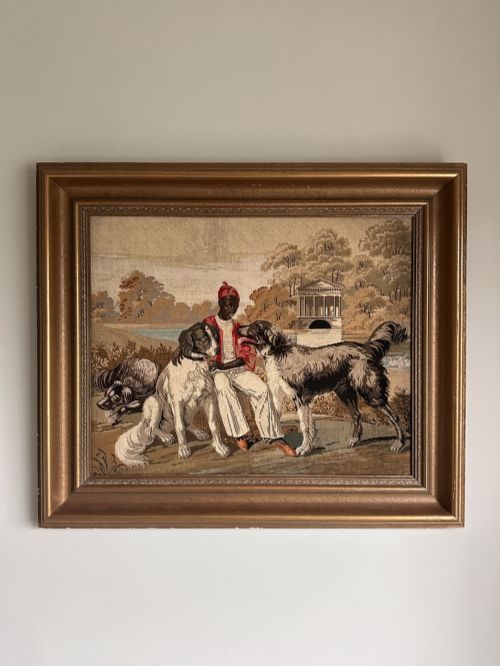
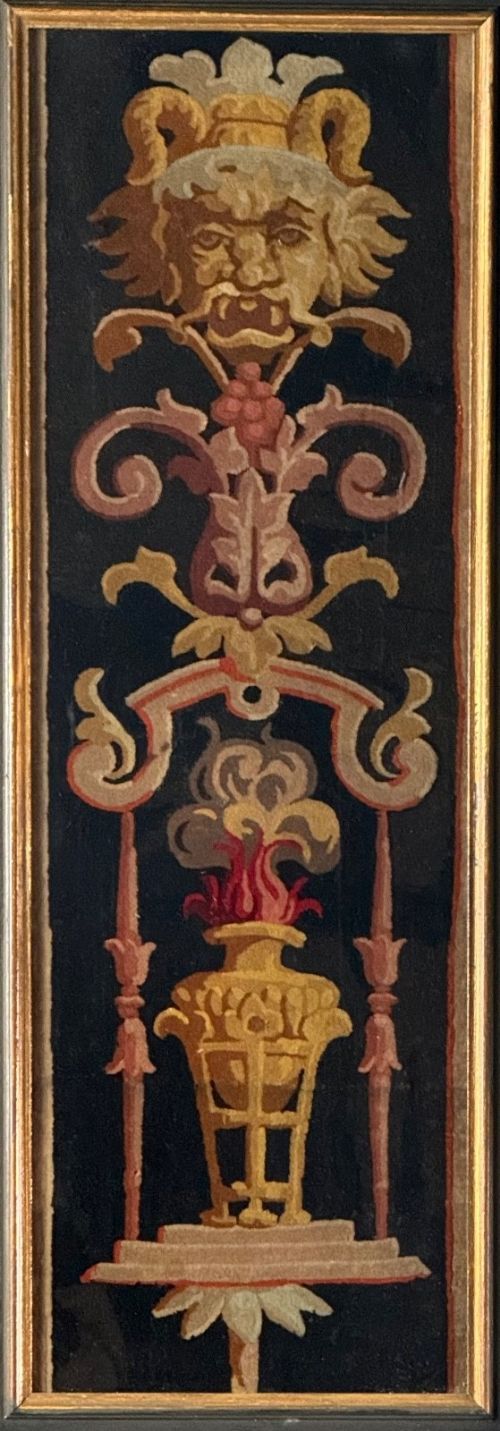
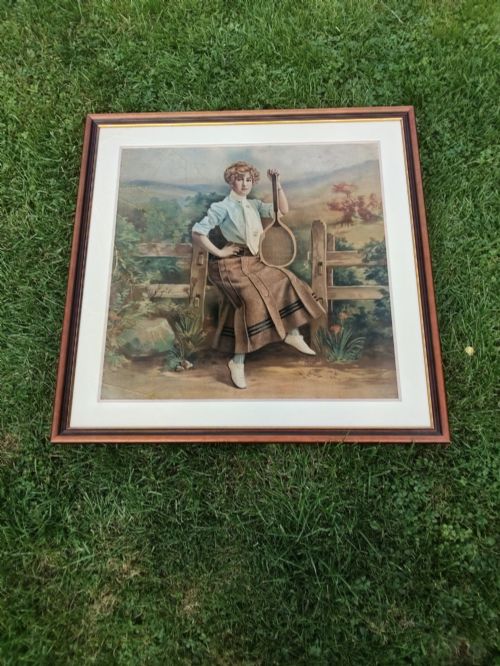
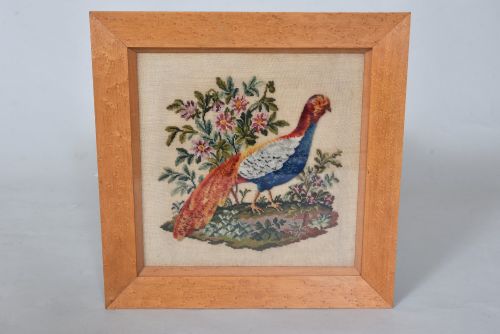
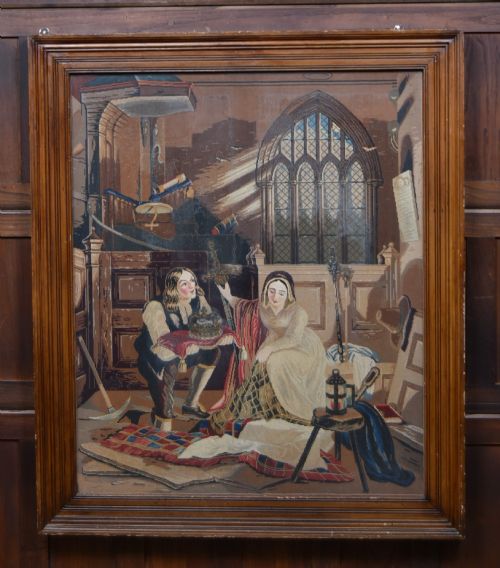
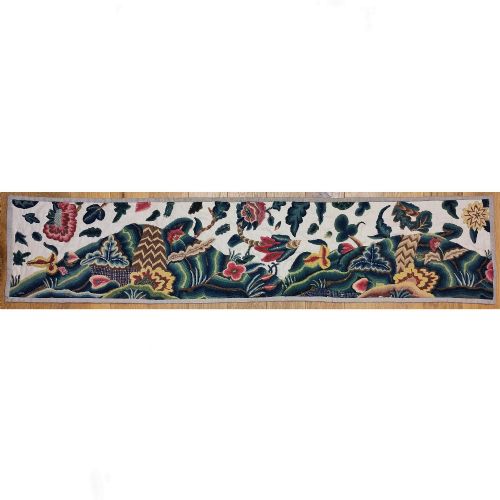
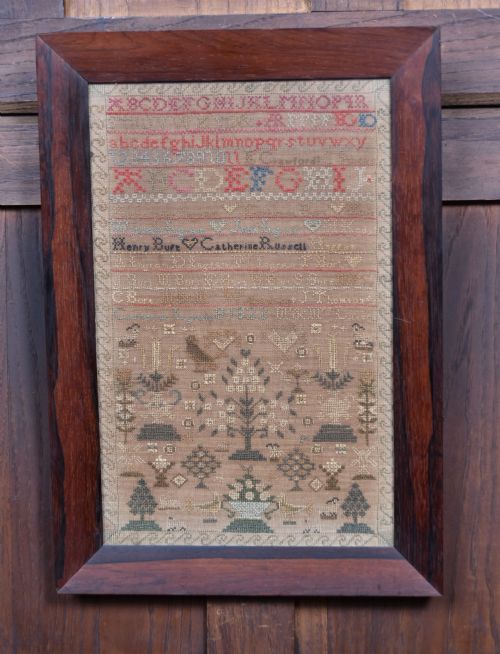
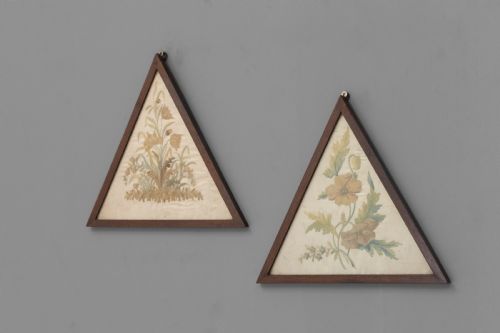
A needlepoint wall hanging encompasses framed textile art, antique tapestries, and embroidered panels spanning the seventeenth century to the twentieth century. These textiles capture diverse subjects ranging from classical grotesques and medieval-style scenes to Victorian plushwork birds and Edwardian portraits.
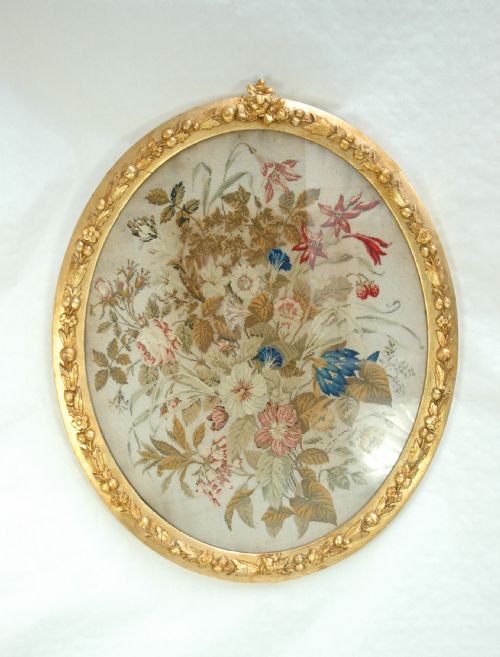
Buyers most frequently encounter nineteenth-century Berlin wool work, French needlework panels, and framed textile art in wooden or giltwood surrounds. Pieces often arrive ready to hang, set behind glass in period frames that protect the delicate fibres within.
Origins stretch across Britain, France, Germany, Sweden, India, and Scotland, demonstrating varied regional techniques and local motifs. Whether searching for a large nineteenth-century German gilt-framed wall hanging or an earlier continental classical panel, the selection relies on surviving hand-worked textiles.
Materials and construction methods
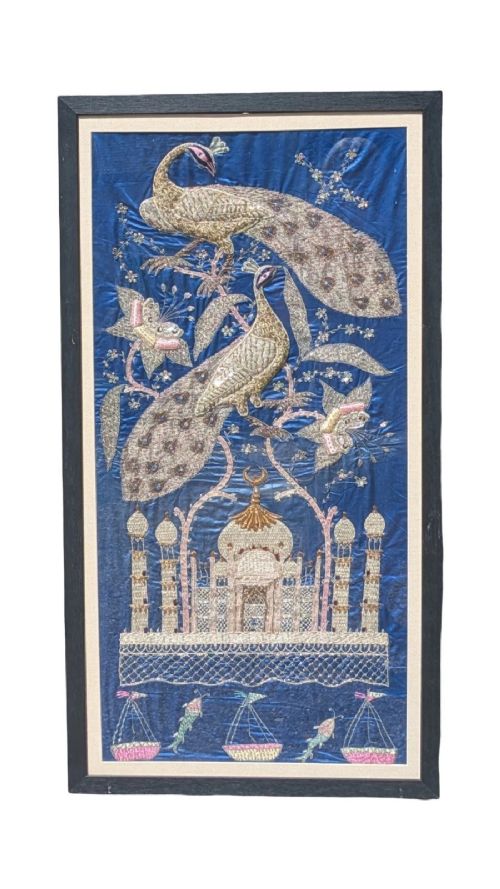
Craftsmen and makers utilised wool, silk, linen, cotton, and canvas as foundational substrates for stitching intricate pictorial designs. Threads were worked by hand using techniques including gros point, crewelwork, plushwork, and bead embroidery to build rich surface textures.
Panels were frequently mounted onto wooden stretchers or housed within oak and giltwood frames, occasionally secured behind glass for preservation. Materials such as metal threads and glass beads appear in select pieces, adding reflective highlights to the textile compositions.
Needlepoint Wall Hanging Retail Price Guide 2026
Typical asking prices for needlepoint wall hanging among the pieces listed under this phrase on Sellingantiques today, from the lower quarter to the upper quarter. They describe what is for sale here now, not the wider market.
Listings feature textiles spanning the 17th century to the 19th century, incorporating wool, silk, linen, cotton, and giltwood frames.
Distinguishing quality in antique needlework
Quality rests in the precision of the stitch work, the complexity of the pictorial composition, and the preservation of the original fibres. Finer examples display meticulous colour blending, tight canvas tension, and sophisticated draughtsmanship within the embroidered figures.
The integrity of the mounting and the character of the surrounding frame contribute significantly to the piece. Original giltwood or oak frames that complement the age of the textile elevate the presentation and protect the fabric from environmental wear.
The Needlepoint Wall Hanging Glossary
- Berlin wool work
- A popular form of nineteenth-century canvas work embroidered with brightly coloured wools from printed grid patterns. This technique allowed domestic makers to produce highly detailed pictorial scenes.
- Crewelwork
- Embroidery executed using wool yarn on a linen or cotton twill foundation, traditionally associated with Jacobean and seventeenth-century English textiles. It employs a variety of stitching methods to create flowing floral and faunal designs.
- Gros point
- A coarse needlepoint stitch worked on canvas that creates a durable, textured surface suitable for wall hangings and furnishings. It often appears alongside finer petit point work to add depth to backgrounds.
- Plushwork
- A nineteenth-century embroidery technique featuring cut pile loops that create a raised, velvety texture. It was frequently utilised to render animal subjects with realistic coats.
- Sampler
- A piece of needlework produced to demonstrate proficiency in various stitches and alphabets. Early examples from Scotland and England serve as historical records of domestic education.
Needlepoint Wall Hanging: Frequently Asked Questions
How do I hang a heavy textile safely?
Most framed pieces arrive with secure hanging hardware attached to the wooden or giltwood frame, suitable for standard picture hooks. Unframed panels require specialist mounting onto a padded batten or conservation-grade support to distribute the weight evenly.
Ensure the wall can bear the load, particularly with larger nineteenth-century German wool work pieces housed in heavy timber frames. Avoid hanging textiles in direct sunlight to prevent fading of the wool and silk threads.
What is the difference between tapestry and needlepoint?
Needlepoint is stitched by hand onto a pre-woven open-weave canvas foundation, covering the grid completely with yarn. True tapestry is woven on a loom where the warp and weft threads interlace to form the picture simultaneously.
Many antique pieces described as tapestries in listings are actually needlepoint panels or Berlin wool work. Examine the reverse of the piece to identify whether it is stitched canvas or woven textile.
How can I date an antique needlework panel?
Dating relies on examining the materials, canvas type, colour palette, and framing style relative to historical periods. Seventeenth-century pieces often feature crewelwork or classical motifs, while mid-nineteenth-century items frequently utilise Berlin wool work.
Inscribed dates on the textile, such as Swedish pillow embroidery or samplers, provide a direct point of reference. Accompanying frame construction and backing materials offer further corroboration of age.