


Naval Storage Chest
A naval storage chest is a robust transport trunk designed for officers and sailors, combining sturdy timbers with metal fittings to withstand long voyages.
Naval Storage Chest
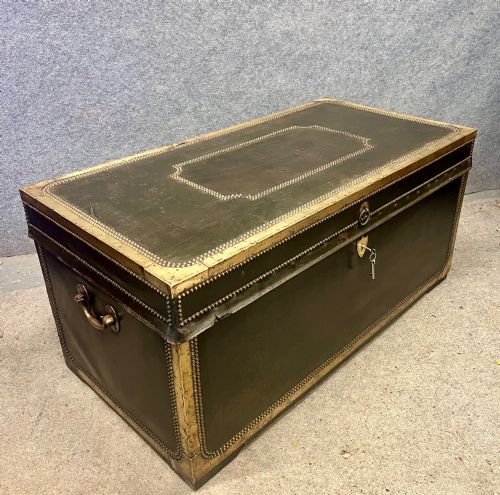
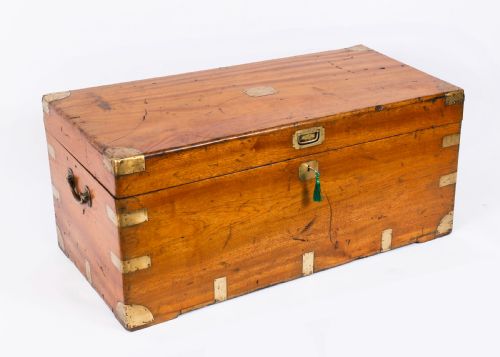
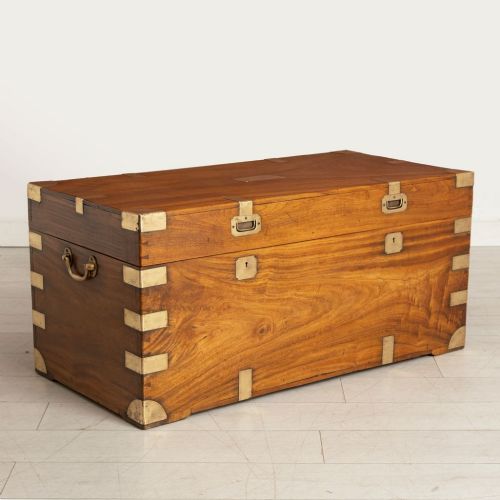
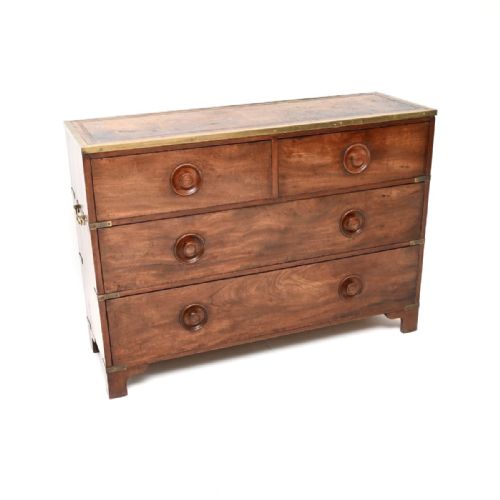
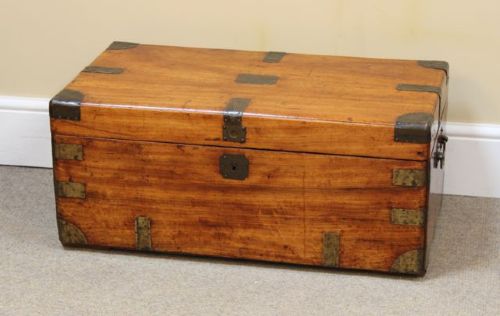
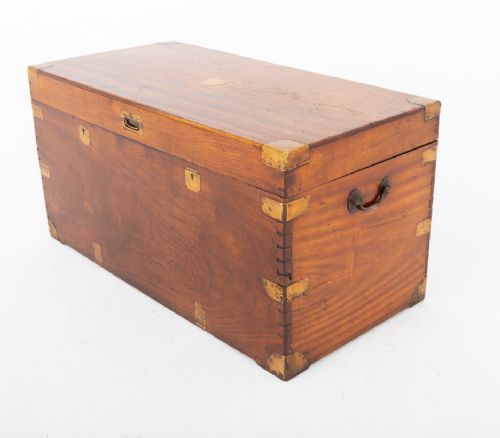
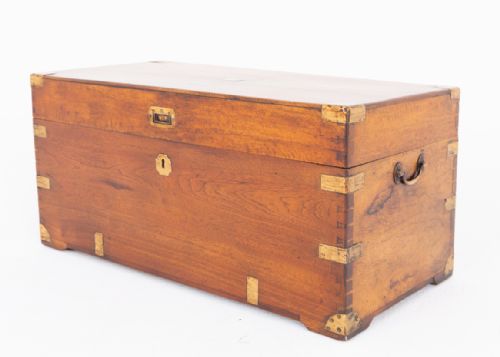
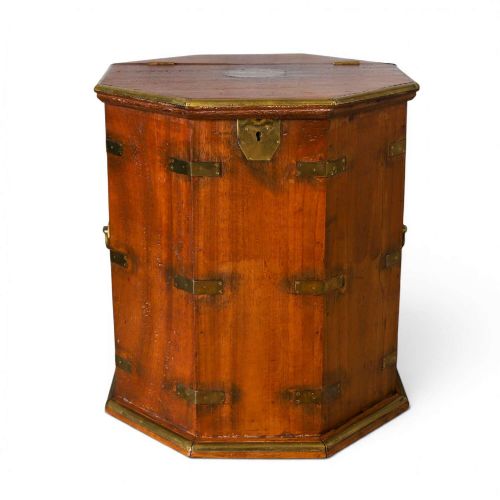
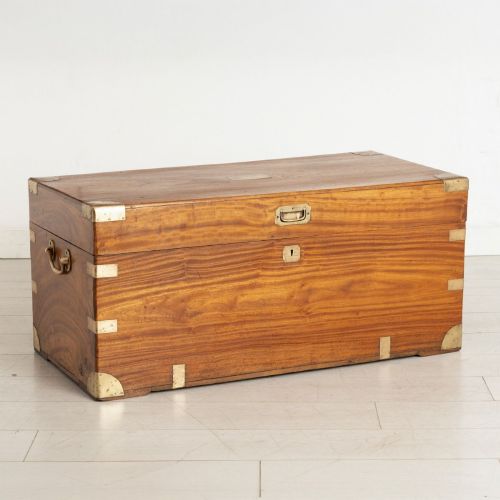
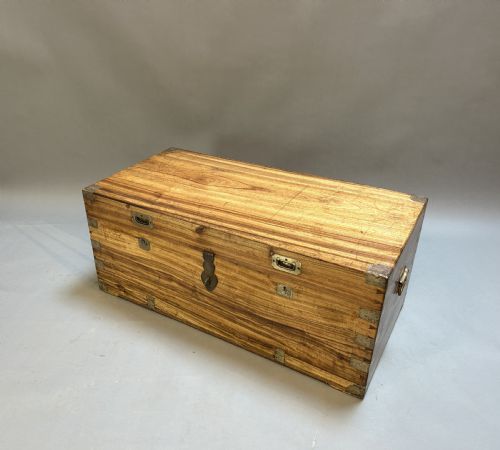
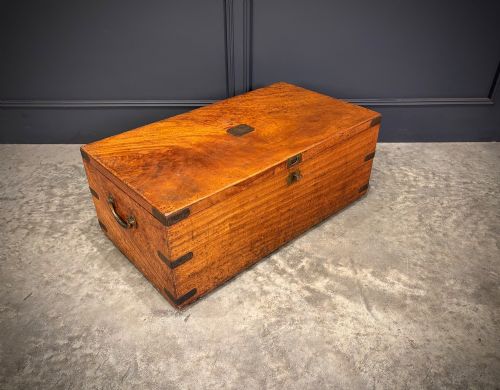
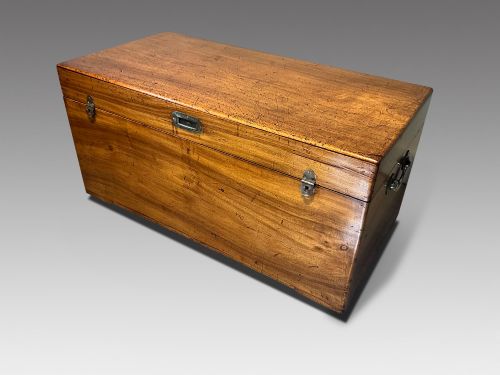
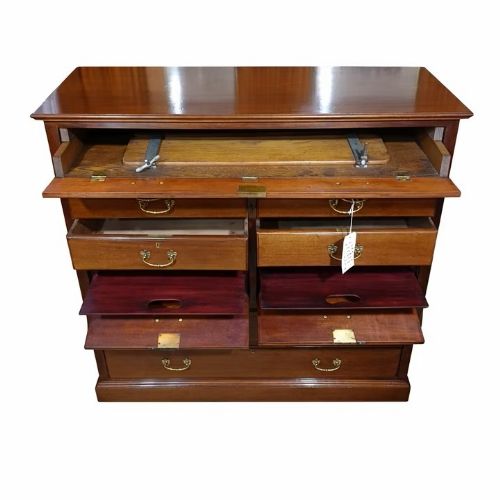
A naval storage chest most frequently appears as a camphor wood or mahogany trunk built for military campaigns or maritime travel during the nineteenth century. These pieces encompass hinged lift-up trunks, low chests, and sectioned chests of drawers designed to pack efficiently aboard ship. Styles range from plain utilitarian seaman examples to brass-bound campaign pieces intended for officers on duty across the globe.
Makers and traders produced these chests using resilient timbers to protect contents from sea air and tropical humidity. Common configurations include straightforward coffers, trunks with original brass hardware, and specialised storage cabinets linked to naval service. The selection reflects both domestic British cabinet-making and China Trade production for Western markets.
Materials and Construction
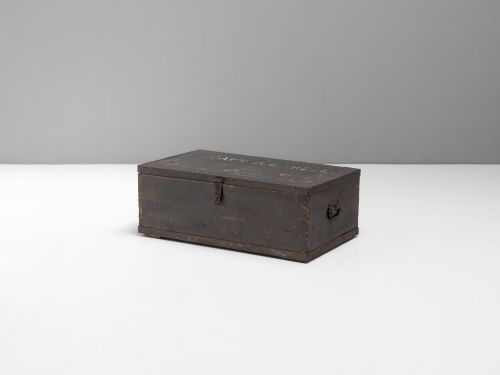
Craftsmen utilised durable woods such as camphorwood, teak, and mahogany, selecting them for stability and resistance to moisture and insects during transit. Pine served for simpler painted seaman trunks, while dense hardwoods provided structural strength for officers' chests.
Joinery incorporated protective brass binding, flush-fitting hardware, and reinforced corners to endure rough handling in ships' holds and military camps. Leather trim, iron studs, and secure locks completed the construction, ensuring the contents remained safe throughout extended journeys.
Current listings feature nineteenth-century camphor wood, mahogany, teak, and painted pine chests built for military campaigns and maritime use.
Evaluating Quality
Quality depends upon the selection of timber grain and the integrity of the original brass fittings and hardware. Pieces featuring solid camphorwood with finely figured grain command attention, as do those retaining their original working locks and flush lifting handles.
The sophistication of the internal arrangement and the precision of the campaign joinery separate standard seaman trunks from high-grade officer pieces. Original painted finishes and documented provenance relating to naval captains elevate the standing of a chest.
The Naval Storage Chest Glossary
- Campaign chest
- A piece of furniture designed to dismantle or pack easily for military travel, usually fitted with recessed brass handles and corner brackets.
- Camphorwood
- An aromatic hardwood utilised for nineteenth-century trunks because its natural scent repels insects and protects stored textiles.
- China Trade
- Goods manufactured in China during the nineteenth century specifically for export to European and American markets.
- Brass bound
- Furniture edged or reinforced with brass strips and brackets to protect vulnerable corners from heavy knocks during transport.
- Seaman's chest
- A utilitarian storage box constructed for ordinary sailors to hold personal belongings aboard merchant vessels or warships.
Naval Storage Chest: Frequently Asked Questions
What is a naval storage chest?
A naval storage chest is a heavy-duty wooden box built for officers and sailors to transport personal equipment and uniforms during sea voyages and military campaigns.
These pieces utilise sturdy timbers like camphorwood and teak, often reinforced with brass corners and recessed handles to withstand rough handling aboard ship.
How do I identify a campaign chest?
Campaign chests feature recessed brass hardware, flush handles, and corner brackets designed to prevent damage during transit and allow compact packing.
Many examples separate into modular sections or incorporate hinged lift-up lids for practical access in temporary quarters.
Why was camphorwood used for chests?
Camphorwood was chosen because its strong natural aroma effectively repels moths and insects, protecting woollen uniforms and linens during long tropical voyages.
The dense grain also resists moisture, making it ideal for items kept in damp shipboard environments.
How should I care for a camphorwood chest?
Keep the wood away from direct heat sources and radiators to prevent the solid timber from drying out and splitting over time.
Maintain the surface with appropriate beeswax or furniture polish while allowing the natural interior scent to persist.