


Nature Wall Artwork
Nature wall artwork brings the organic forms and quiet scenery of the countryside directly into interior spaces through historic paintings.
Nature Wall Artwork
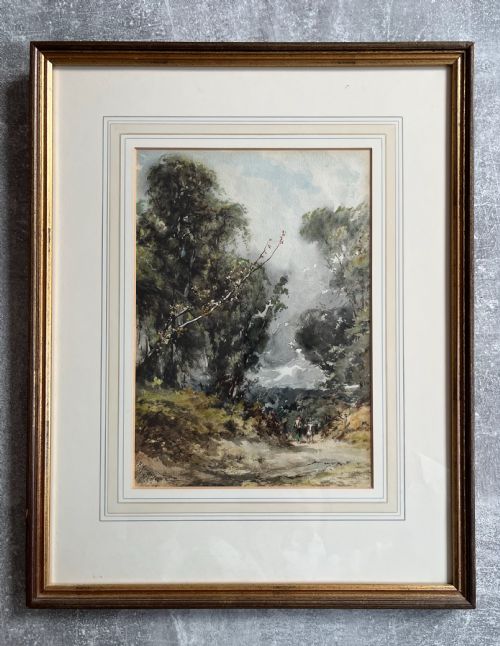
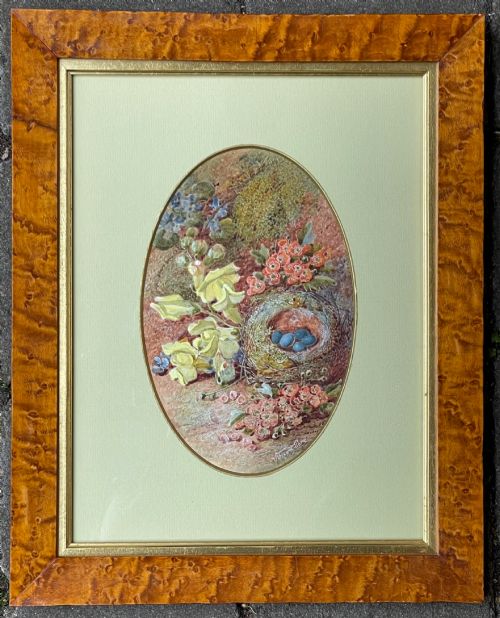
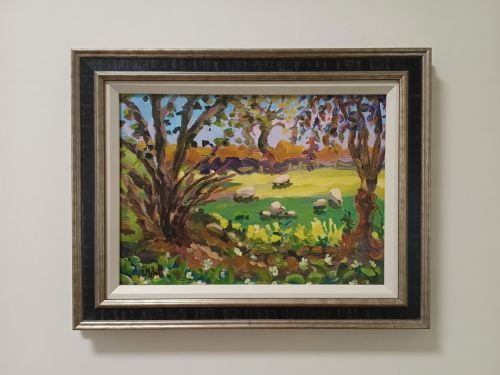
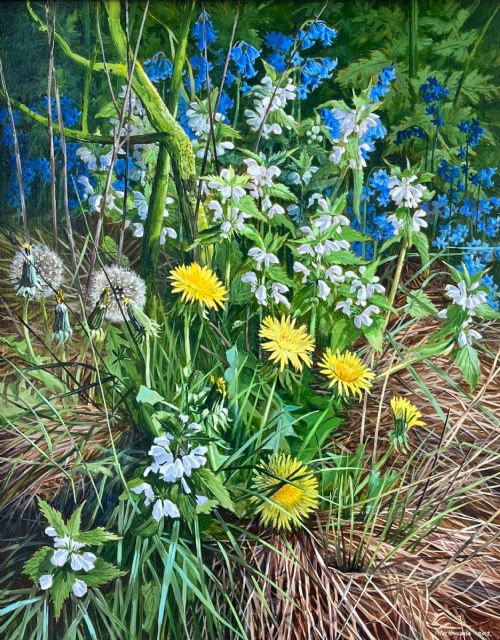
Nature wall artwork encompasses painted interpretations of landscapes, rivers, woodlands, and wildlife created across the nineteenth and twentieth centuries. When searching for nature wall artwork, buyers encounter framed oil paintings, watercolours, and gouache studies depicting country lanes and rural scenes.
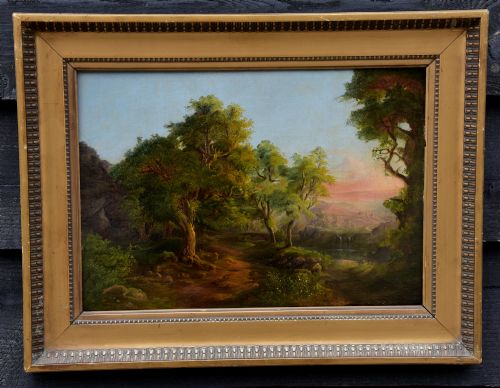
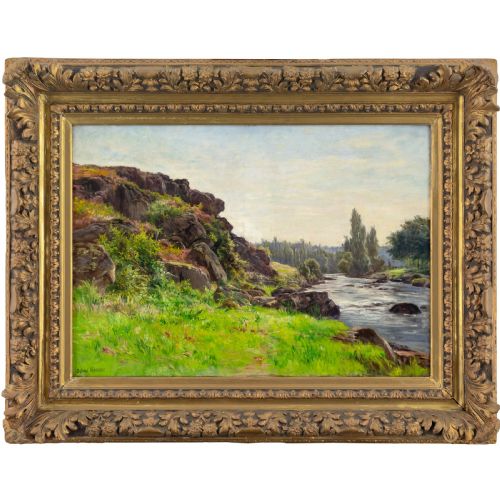
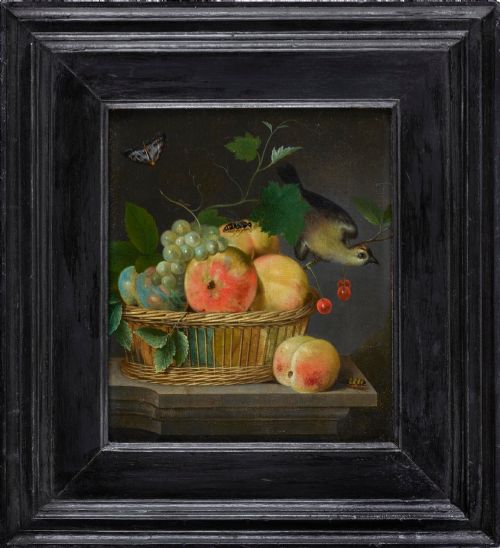
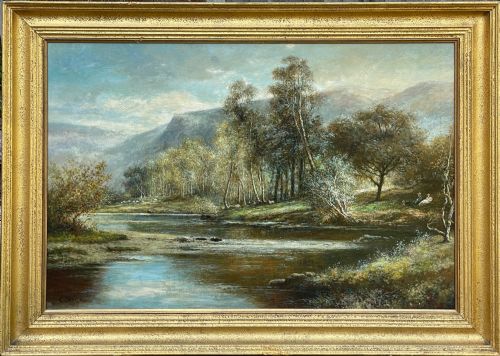
The pieces on this page lean heavily towards nineteenth century and Victorian naturalism, alongside Edwardian and mid-twentieth century watercolours. Subjects range from wooded river landscapes and still life studies of fruit to pastoral views featuring sheep and birds.
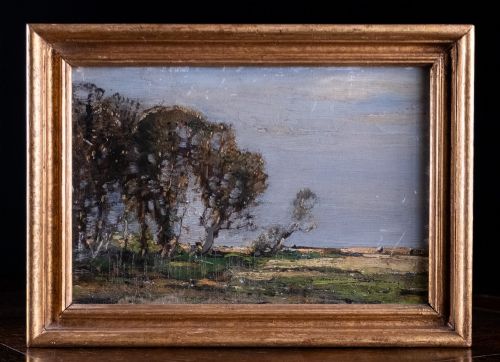
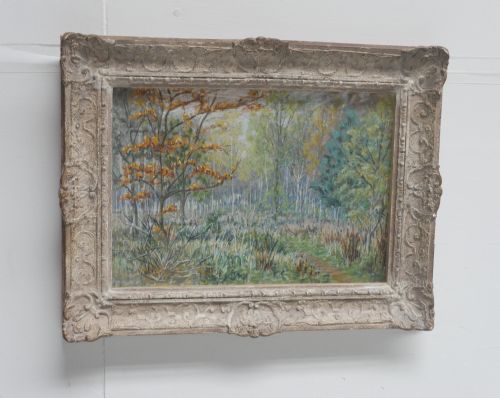
Original oil paintings on canvas or board dominate the selection, accompanied by detailed paper watercolours. These works record outdoor scenery through impressionist and traditional landscape lenses.
Materials and methods of production
Artists relied upon oil paint applied to canvas or wood board, utilising the rich texture of the medium to build depth in foliage and water. Watercolours and gouache on paper offer a lighter alternative, capturing fine botanical details and soft atmospheric skies.
Many works retain their period frames, constructed from wood and frequently highlighted with gold leaf to complement the painted composition. Canvas supports often show traditional stretcher construction behind the finished landscape.
Materials documented across the listings include oil paint, canvas, wood, paper, glass, watercolour, and gold leaf.
Factors separating pieces
The strength of the composition and the artist's ability to handle light and atmosphere dictate the standing of a piece. Works by named painters with documented exhibition histories or distinctive brushwork command greater attention than unsigned provincial studies.
Condition of the painted surface and preservation of the original paper or canvas support play a vital role. Intact period framing and clear signatures or dates enhance the historical integrity of the artwork.
George Fotherly Hargitt·Kershaw Schofield·Thomas W Lascelles·Gabriel Mathieu·Vincent Clare·Gaspar Peeter Verbruggen·Peter Newcombe·John Wright Oakes·William Langley·William Mellor·Rowland Henry Hill·William Stephen Coleman·John Hobson Nicholson·R.L. Howey·George F. Wetherbee·T.B. Garvie·Charles Branwhite·John Sherrin
The Nature Wall Artwork Glossary
- Oil paint
- A slow-drying paint made from pigment suspended in oil, commonly linseed, which allows for rich blending and textured application on canvas or board.
- Watercolour
- A painting method where water-soluble pigments are used on paper, prized for translucent washes and delicate botanical accuracy.
- Gouache
- An opaque water-based paint that provides solid colour blocks and matte finishes, frequently utilised in early twentieth-century studies.
- Impressionism
- An artistic style focusing on accurate depiction of light in its changing qualities, often visible in loose brushstrokes capturing outdoor scenes.
- Still life
- A work depicting inanimate subject matter, typically commonplace objects or natural items such as fruit, flowers, and birds nests.
Nature Wall Artwork: Frequently Asked Questions
How do I date an old landscape painting?
Examination of the canvas support, framing style, and artist signatures often provides a reliable timeframe for creation.
Written inscriptions on the reverse of the board or stretcher frequently record dates or locations that narrow down the period.
Are watercolours as durable as oil paintings?
Watercolours on paper require protection behind glass to prevent moisture damage and fading from direct sunlight.
Oil paintings on canvas or board remain more resilient to environmental shifts if kept away from excessive humidity.
Where were these rural scenes typically painted?
Artists travelled across British and French countryside locations, setting up outdoors to capture natural light and specific topography.
Named valleys, rivers, and counties inscribed on the works point to particular regional landscapes of interest.
How should I hang heavy framed artworks?
Secure fixings matched to the weight of the wooden frame and canvas ensure safe wall mounting.
Positioning pieces away from direct heat sources protects the wood and painted surface from cracking over time.