

Natural Wood Table
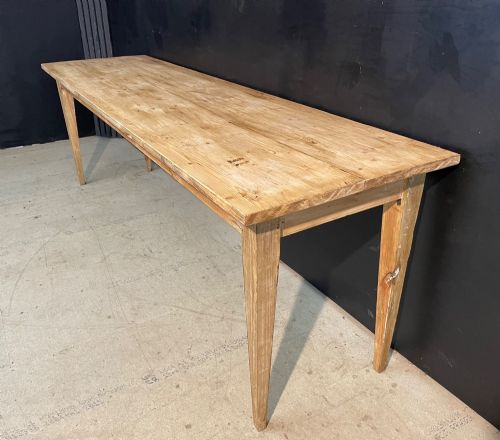
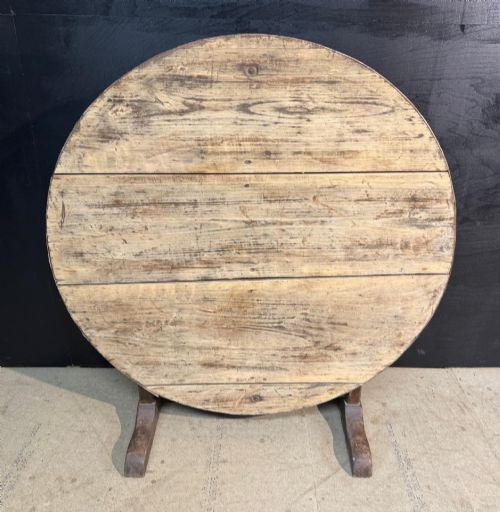
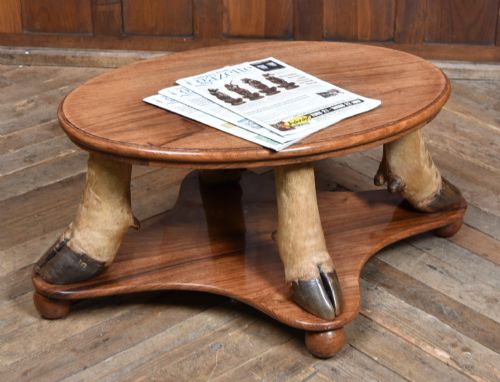
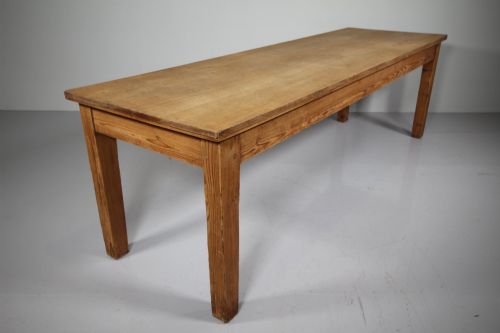
Natural wood table pieces bring vernacular character into a room through honest timber construction and visible grain.
Natural Wood Table
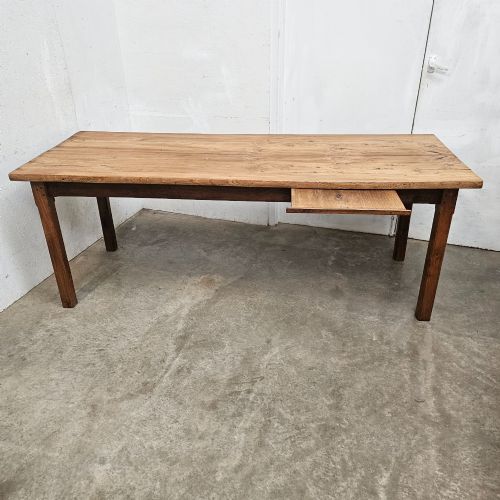
A natural wood table encompasses everything from heavy elm farmhouse boards to modest pine coffee tables, dining furniture and occasional stands. These items originate across the nineteenth and early twentieth centuries, drawing on rustic country, provincial and Victorian traditions.
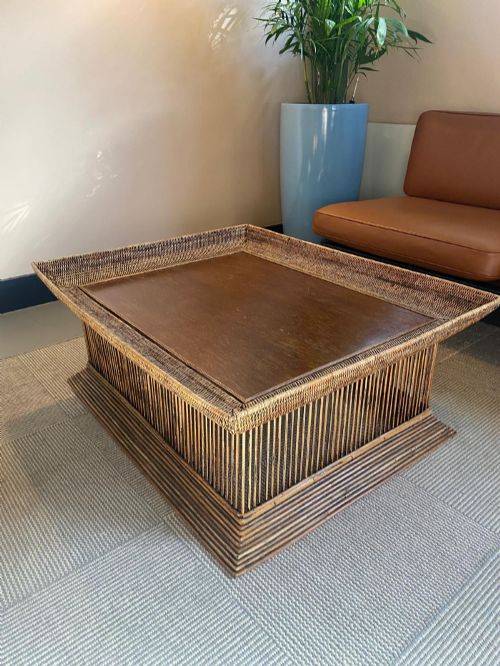
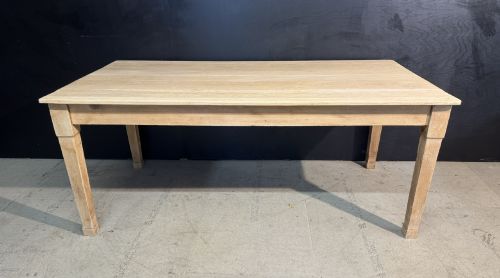
Buyers seeking a natural wood table encounter sturdy oak dining boards, low occasional surfaces and kitchen work tables shaped by domestic utility. Regional iterations bring French, Swedish, Chinese and Welsh vernacular designs into the selection.
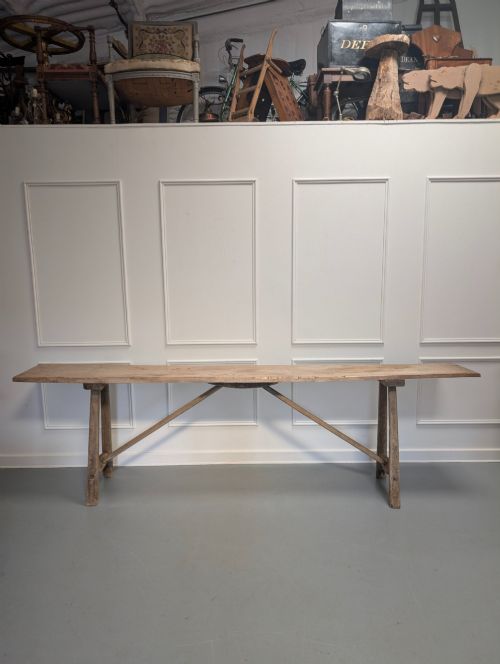
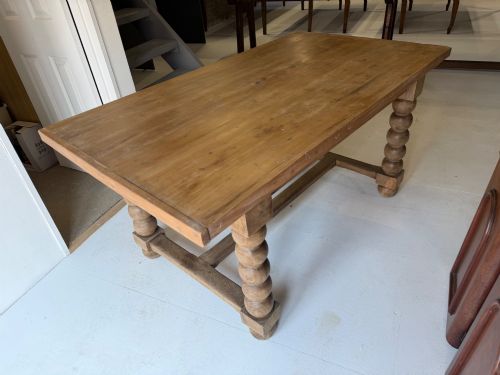
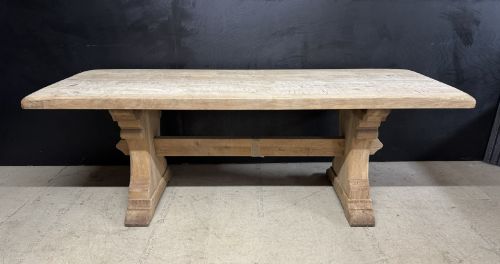
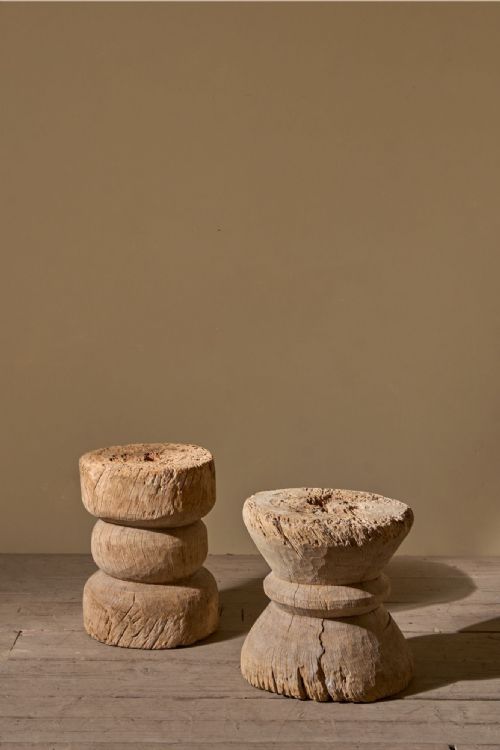
The assortment includes single plank tops, trestle designs, bobbin legs and turned supports. Pieces range from large dining formats to small bedside cabinets, side tables and specialised chopping blocks.
Materials and construction
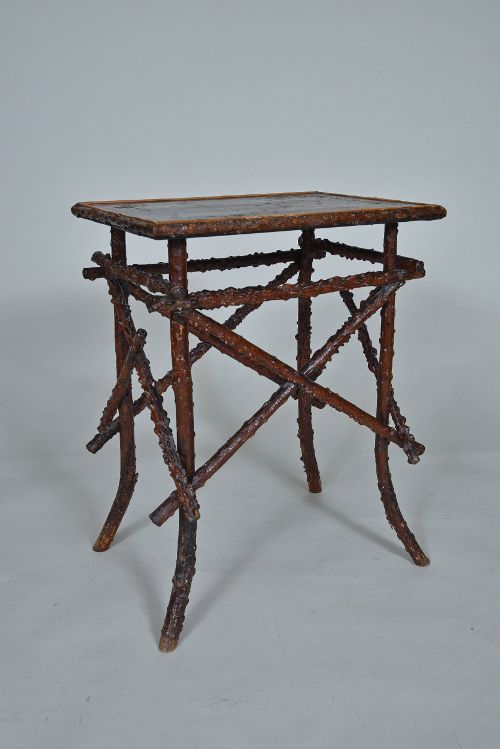
Makers utilised solid timbers such as pine, oak, elm, ash and beech, often finished with wax to protect the grain. Metal or brass elements appear on specific structural joints, hinges or accessories, while rootwood and twig work supply folk art forms.
Carpenters joined boards using traditional methods, creating single plank or multi board tops with trestle bases, turned legs or cabriole supports. Surfaces show the marks of hand tools, adzes and heavy use over generations.
Natural Wood Table Retail Price Guide 2026
Typical asking prices for natural wood table among the pieces listed under this phrase on Sellingantiques today, from the lower quarter to the upper quarter. They describe what is for sale here now, not the wider market.
Dining tables, coffee tables, bedside cabinets and chopping blocks represent the primary forms available.
Judging quality in rustic timber
Integrity of the timber dictates the standing of a piece, separating straightforward domestic utility from finer vernacular craftsmanship. Selection depends on the character of the grain, the stability of the joints and the honesty of the timber surface.
Proportion and structural honesty elevate certain examples, particularly where original legs, stretchers and unclipped boards remain intact. Surface treatments such as early bleaching or natural weathering contribute to visual weight.
The Natural Wood Table Glossary
- Farmhouse table
- A large utilitarian table built for daily kitchen or dining use, typically constructed from pine, oak or elm with sturdy legs. These pieces form the backbone of rustic interior selections.
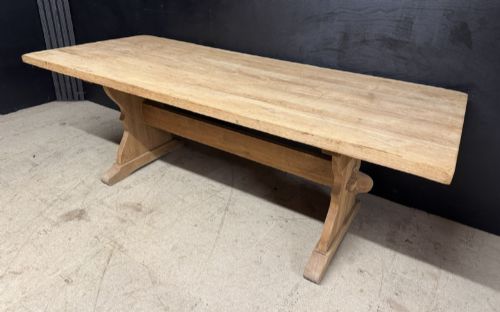
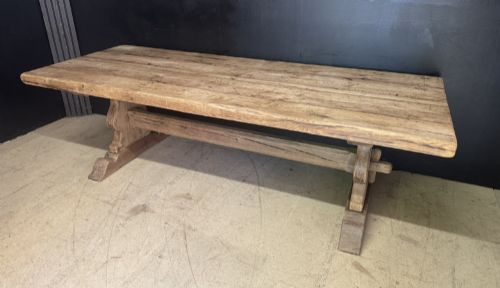
- Trestle table
- A table comprising two or more support frames connected by a horizontal beam under a long top. This format allows maximum legroom along the length of the board.
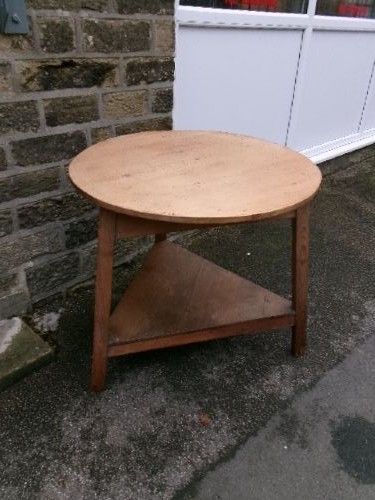
- Cricket table
- A small three-legged round table originating in country homes, often featuring a triangular shelf beneath. The design provided stability on uneven stone floors.
- Chopping block
- A heavy timber block mounted on legs, used historically for food preparation in provincial kitchens. Elm and hardwood examples show deep surface scoring from daily use.
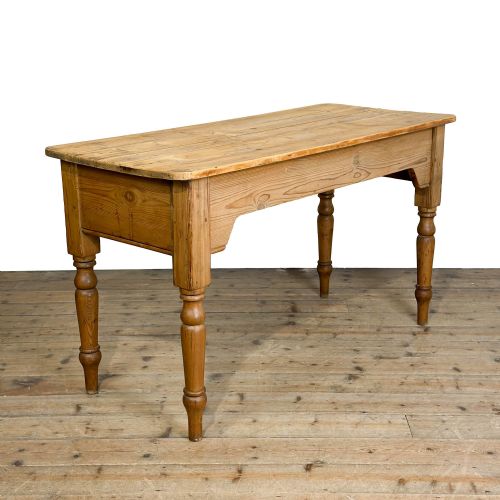
- Bobbin leg
- A turned furniture leg shaped to resemble a series of wooden bobbins or spools strung together. This decorative turning appears frequently on nineteenth century pieces.
Natural Wood Table: Frequently Asked Questions
How do I clean a vintage pine table?
Clean surfaces using a soft cloth dampened with mild soapy water, avoiding harsh chemical cleaners that strip the finish. Dry the timber immediately to prevent moisture rings.
Apply a traditional beeswax polish occasionally to nourish the wood and maintain a soft sheen without building up a sticky residue.
Are these tables suitable for daily dining?
Most antique wood tables were built for heavy domestic use, making them robust enough for modern dining rooms and kitchens. Solid timber construction handles everyday activity well.
Use heat mats and coasters to protect aged wax or oiled finishes from hot dishes and condensation.
How can I tell the age of a wooden table?
Examine the underside and joints for tool marks, hand cut fixings and timber shrinkage that indicate historical construction methods. Saw marks and peg construction offer clues to the period.
Compare the style of the legs and edge profiles with documented vernacular furniture from the nineteenth and early twentieth centuries.
What is bleached oak?
Bleached oak refers to timber that has undergone a process to lighten its natural tone, removing dark amber hues. This treatment creates a pale, weathered appearance.
French provincial and Scandinavian styles frequently feature this finish to give heavy oak a lighter profile in domestic spaces.