

Natural Wood Farmhouse Table
A natural wood farmhouse table brings utilitarian utility and rustic warmth to a room, shaped by decades of honest domestic use.
Natural Wood Farmhouse Table
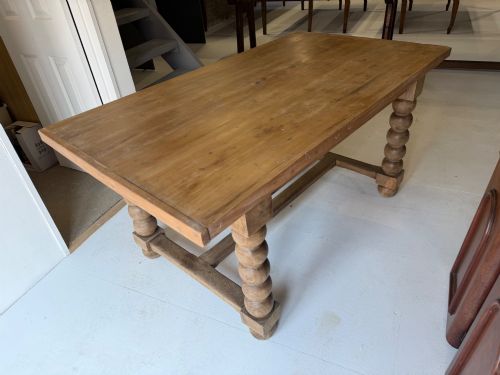
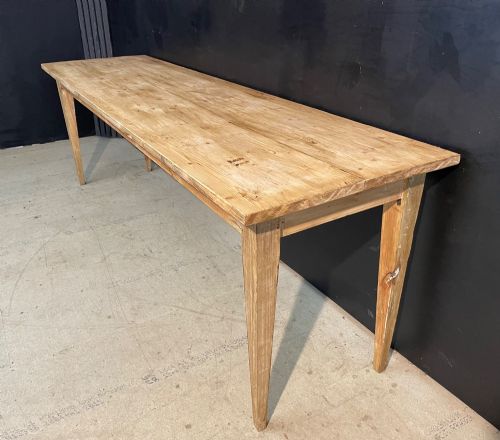
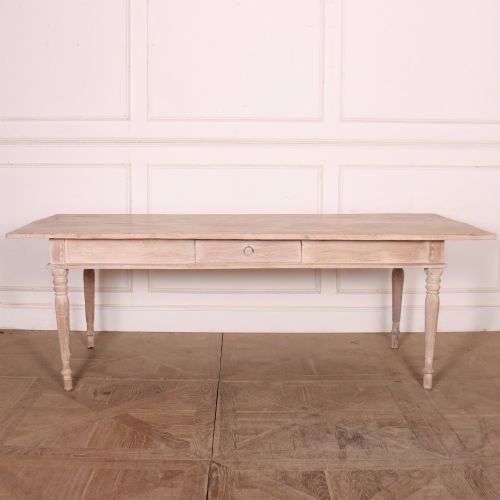
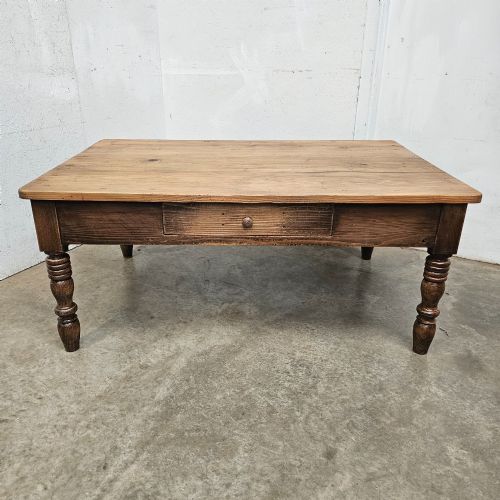
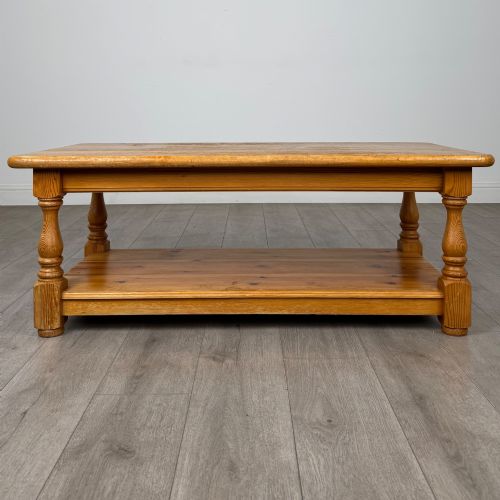
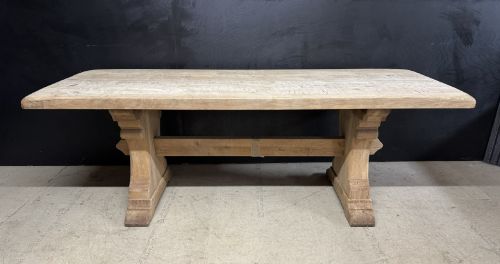
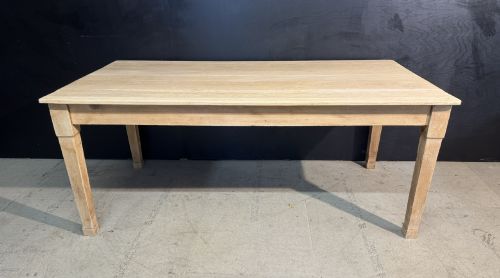
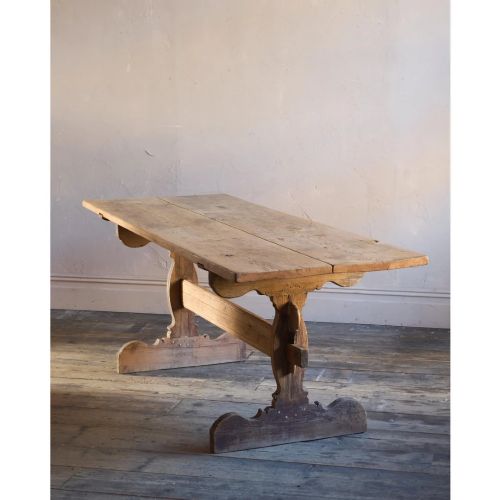
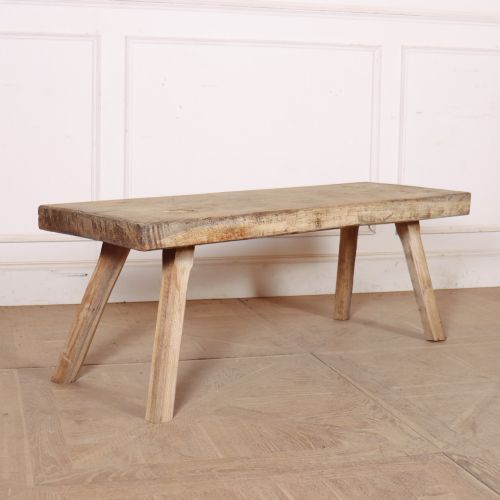
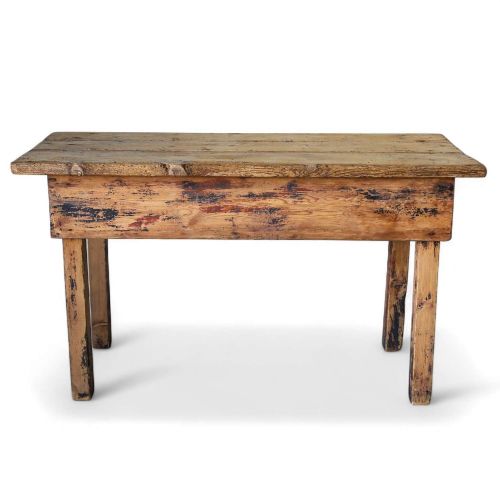
A natural wood farmhouse table serves as a central gathering place for dining, food preparation, and daily domestic life. When you examine a natural wood farmhouse table on this page, you encounter forms ranging from large dining boards to compact coffee tables, trestles, and work tables.
The selection includes pieces spanning the nineteenth century through the early twentieth century, alongside Edwardian examples and specific regional styles such as French Provincial, Swedish, and Welsh. Domestic kitchen tables in pine and oak appear frequently, alongside occasional sycamore, ash, cherrywood, and elm variants.
Makers focused on straightforward utility, creating surfaces suited to heavy daily wear in kitchens and dining rooms. The proportions vary from long dining boards intended for large groups to smaller low tables and console pieces.
How they were made
Carpenters constructed these tables using solid domestic hardwoods and softwoods like pine, oak, elm, beech, sycamore, and cherrywood. Two-board tops and scrubbed timber surfaces reflect methods designed to withstand daily scrubbing and preparation tasks.
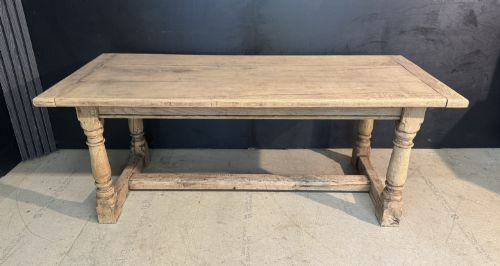
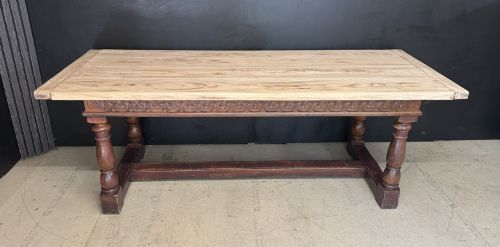
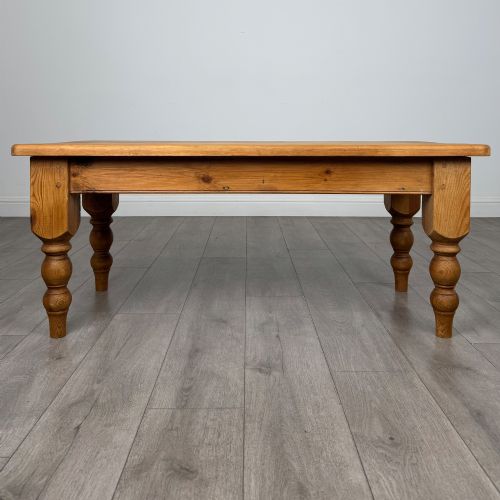
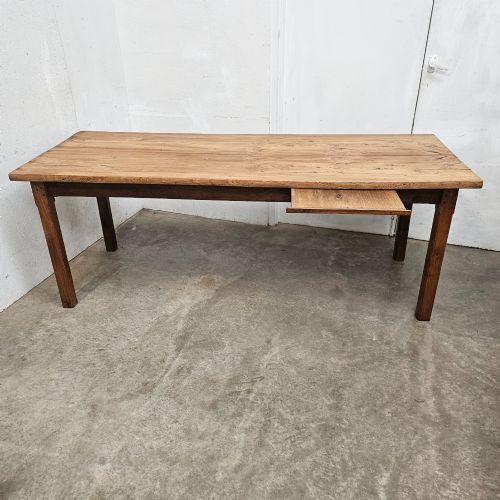
Construction details include turned legs, bobbin legs, cabriole legs, trestle supports, and x-frames, often joined to thick plank tops. Many examples incorporate single drawers or sliding bread boards for functional storage during kitchen work.
Surfaces often show the marks of hand stripping or natural weathering over decades, leaving exposed grain without heavy modern synthetic varnishes.
Listings feature nineteenth-century and early twentieth-century pieces, including Edwardian examples and items from the 1880s to the 1940s.
What varies in quality
The distinction between ordinary and superior pieces rests on the choice of timber, the integrity of the original construction, and the character gained through age. Tables fashioned from dense Spanish or French elm, bleached oak, and mature pine display superior grain patterns and structural resilience.
Proportion and regional detailing elevate certain examples, such as those with integrated drawers, pegged joints, or distinctive trestle and x-frame bases. Surface treatment matters greatly; scrubbed tops and naturally weathered finishes preserve the authentic tactile quality of the wood better than heavy modern interventions.
The Natural Wood Farmhouse Table Glossary
- Scrub top
- A wooden table top cleaned repeatedly with water and scrubbing brushes until the grain stands proud and pale. This process removes surface grime and highlights the natural texture of the timber.
- Trestle table
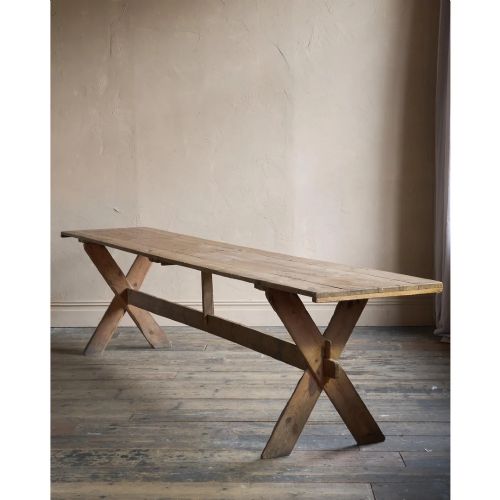
- A table consisting of two or more support frames connected by a horizontal beam holding a long top. This design allows maximum legroom along the length of the table.
- Bread board
- A sliding wooden board incorporated beneath the tabletop for food preparation. It extends the working surface when pulled out.
- Bobbin leg
- A turned furniture leg shaped with a series of rounded, spool-like spheres resembling bobbins used in lace-making. This decorative turning appears on nineteenth-century pieces.
- X-frame
- A structural base formed by two intersecting diagonal timbers shaped like the letter X. It provides sturdy support for heavy kitchen and dining surfaces.
Natural Wood Farmhouse Table: Frequently Asked Questions
How do I clean a natural wood table?
Clean the surface using a damp cloth and mild soap, avoiding harsh chemical sprays that strip natural oils. Dry the wood thoroughly afterward to prevent moisture damage.
For scrubbed tops, periodic light scrubbing with a soft brush maintains the pale, clean finish without harming the historic timber grain.
Can I use a farmhouse table outdoors?
These historical wooden tables are designed for interior domestic environments and lack weather-resistant modern sealants. Exposure to rain and fluctuating outdoor temperatures causes the timber to warp, split, and rot.
Keep them inside where stable humidity preserves the joints and structural stability of the pine, oak, and elm.
How do I identify a French farmhouse table?
French farmhouse tables often feature regional timbers like cherrywood, sycamore, or bleached oak, occasionally paired with cabriole legs or sliding bread boards. Their proportions suit provincial dining spaces and country kitchens.
Examine the construction joints and wood species to distinguish French regional workshops from British or Scandinavian counterparts.