

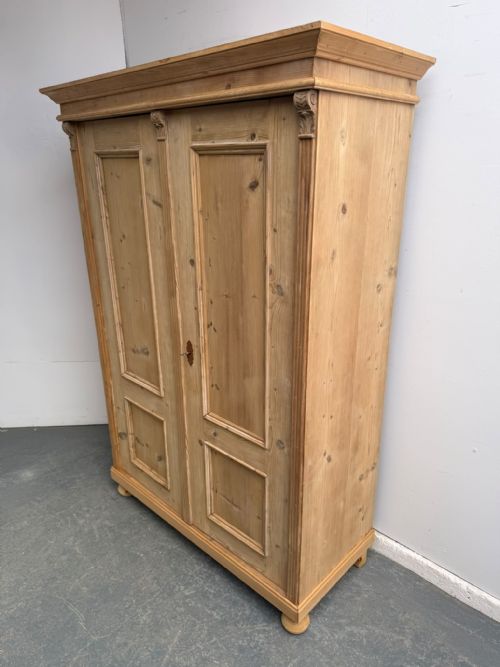

Natural Wood Cabinet
A natural wood cabinet brings honest timber grain into a room, offering practical storage through pieces shaped in pine, oak, ash and teak.
Natural Wood Cabinet
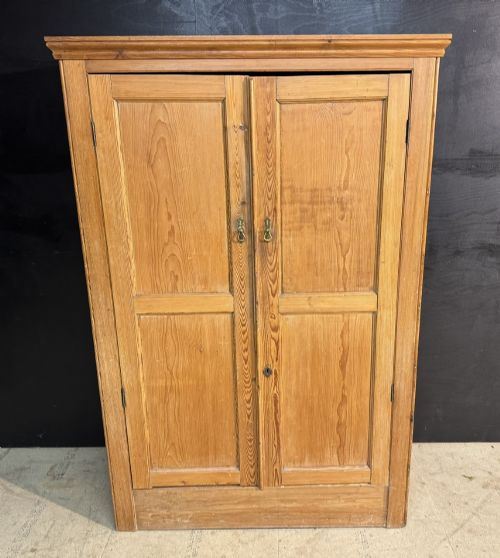
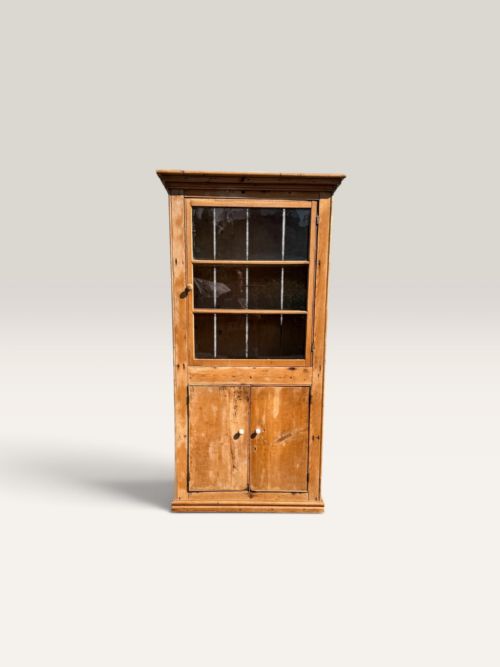
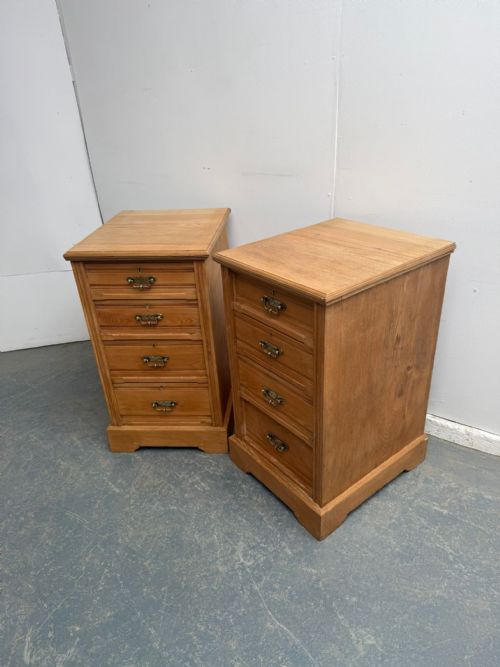
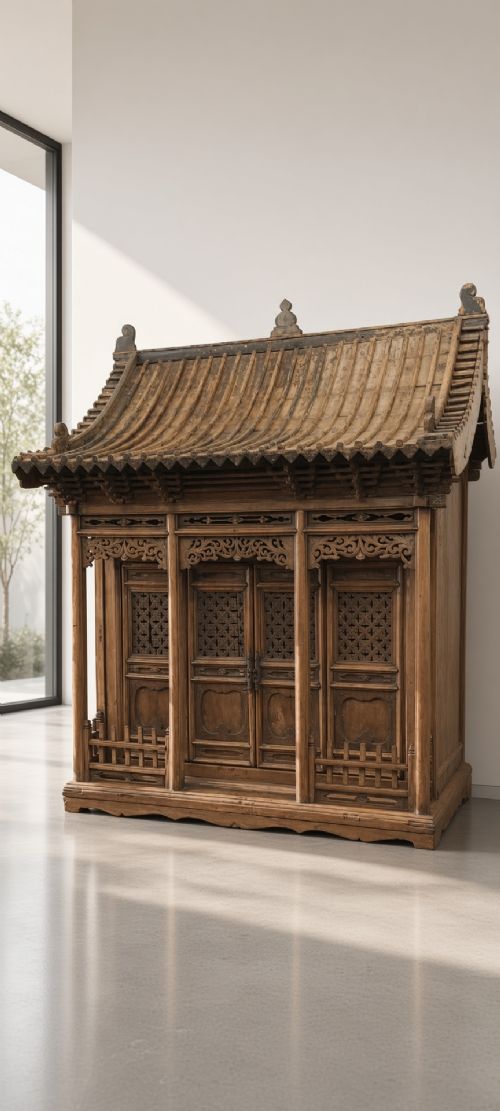
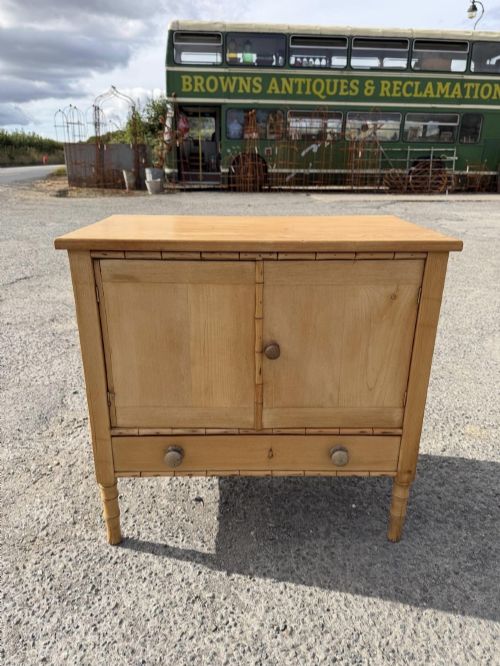
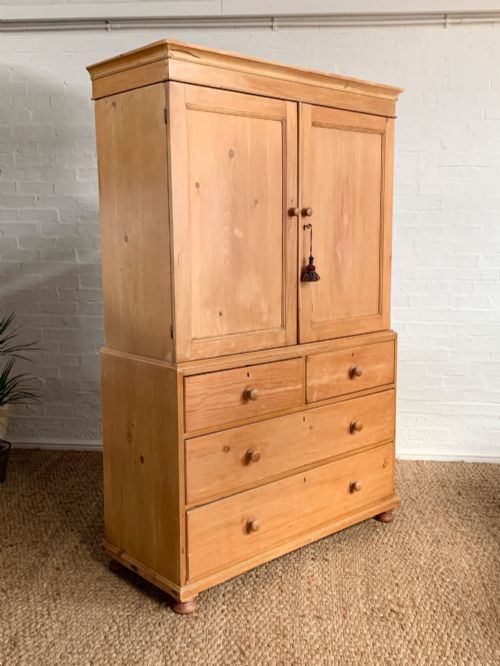
When you search for a natural wood cabinet, you encounter storage furniture stripped to its original timber or finished with simple waxes and oils. These pieces range from substantial larder cupboards and dressers to compact bedside units and corner display units.
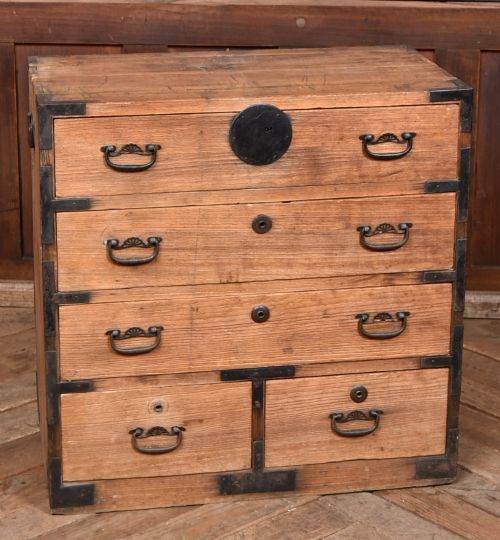
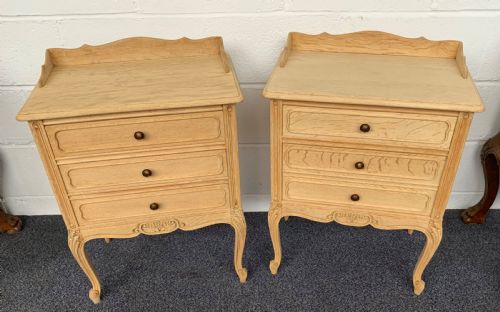
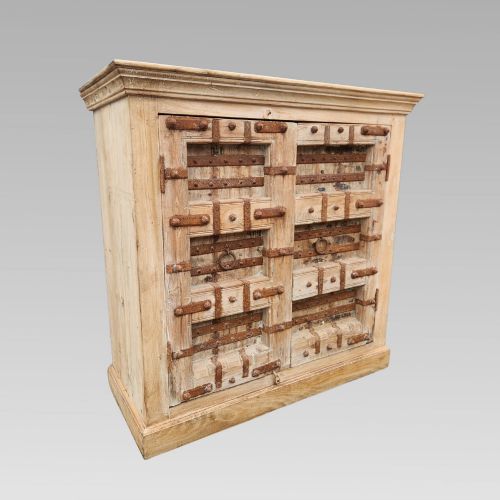
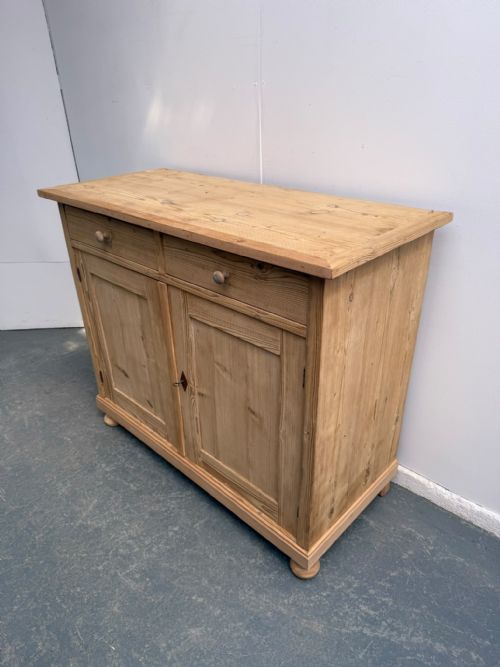
Victorian pine utility pieces dominate the selections here, alongside Edwardian designs and twentieth-century bleached oak pieces from French workshops. You also find regional imports like Indian reclaimed teak storage cupboards and Japanese kitchen tansu.
The utility of these items spans centuries of domestic life, functioning as wardrobes, kitchen storage, and general cupboards. Buyers select them for their honest construction and the warmth that unpainted or stripped timber brings to domestic interiors.
Materials and Construction
Pine serves as the primary timber across the majority of domestic British pieces, frequently found in stripped or waxed finishes that reveal the natural grain. Oak and ash appear in specific regional variations, alongside exotic imported woods such as Indian teak and rosewood.
Joinery methods rely on traditional pegged joints, dovetails for drawer construction, and panelled doors designed to accommodate seasonal wood movement. Hardware ranges from simple iron hinges and brass pulls to louvre ventilation panels and glazed door frames.
Storage forms span traditional British dressers alongside Japanese tansu chests and French bleached oak bedside cabinets.
Judging Quality and Finish
Quality rests upon the integrity of the timber selection and the restraint exercised during any historic stripping or restoration work. Pieces retaining their original interior paint, backboards, and working iron or brass hardware hold greater character than those heavily altered.
Construction depth distinguishes standard utility furniture from finer examples, seen in the thickness of the pine boards, the tightness of dovetail joints, and the balance of proportions. The presence of carved detailing, such as floral motifs on Victorian dressers, elevates standard storage into decorative furniture.
The Natural Wood Cabinet Glossary
- Pine
- A softwood commonly utilised for British domestic furniture from the eighteenth century onwards. It takes wax finishes well once stripped of later coats of paint.
- Dresser
- A multi-tier storage form combining base cupboards with upper shelving or display space. They originated in kitchens and pantries.
- Tansu
- A traditional Japanese mobile storage chest built from timber with distinct iron hardware. They served multiple domestic functions in traditional Japanese homes.
- Bleached oak
- Timber treated to lighten its natural tone, popular in European design from the early twentieth century. It offers a pale, neutral surface.
- Larder cupboard
- Tall storage furniture featuring panelled or louvred doors designed for food preservation. They utilise internal shelving and ventilation to keep contents cool.
Natural Wood Cabinet: Frequently Asked Questions
How do I clean a waxed pine finish?
Apply a traditional beeswax polish sparingly with a soft cloth and buff gently after twenty minutes. Avoid modern silicone sprays that degrade the timber surface.
Keep the wood away from direct heat sources and moisture to prevent the grain from drying out or splitting.
Are these pieces suitable for modern kitchens?
Pine and oak cupboards integrate easily into contemporary spaces, providing generous storage for dry goods, crockery, or glassware. Their neutral timber tones complement modern stone and tile surfaces.
Ensure the room has stable humidity levels to protect older timber from warping over time.
What is stripped pine?
Stripped pine refers to furniture that has had layers of modern paint or dark varnish removed to expose the original softwood beneath. This process highlights knots, grain patterns, and the natural golden hue of the wood.
Most nineteenth-century utility pieces arrive in this raw or lightly waxed state.
How do I date a wooden cabinet?
Examine the construction methods, tool marks on internal boards, and the type of hardware fitted to the doors and drawers. Hand-cut dovetails and hand- forged iron hinges usually point to earlier periods.
Timber species and regional styles also offer strong clues to a piece's origin.