



Natural Pearl Chain
A natural pearl chain gathers genuine saltwater gems on precious metal links, offering timeless elegance and lasting collectable value.
Natural Pearl Chain
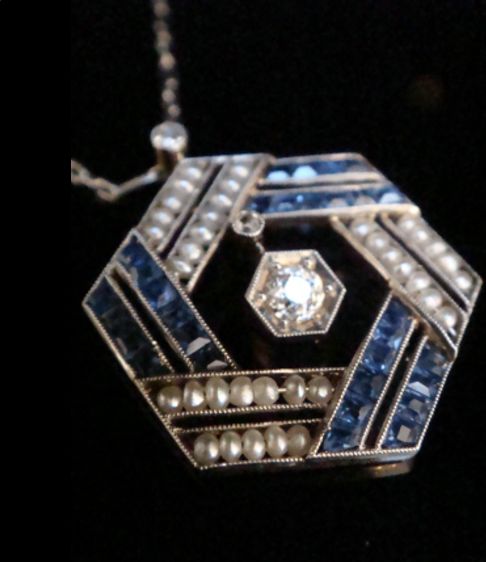
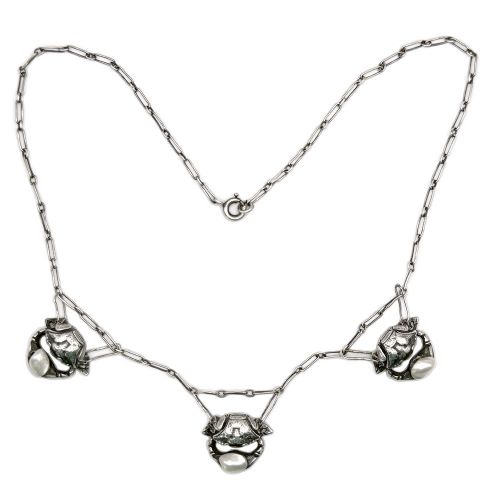
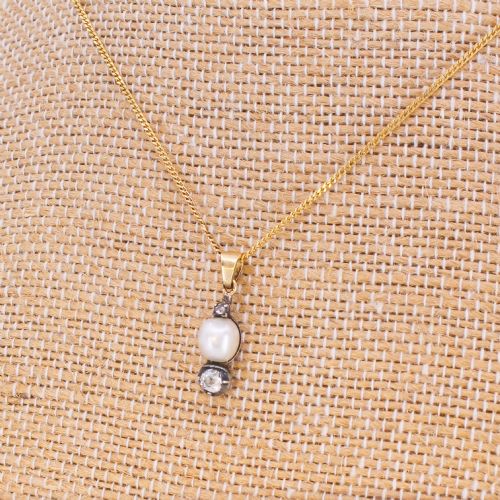
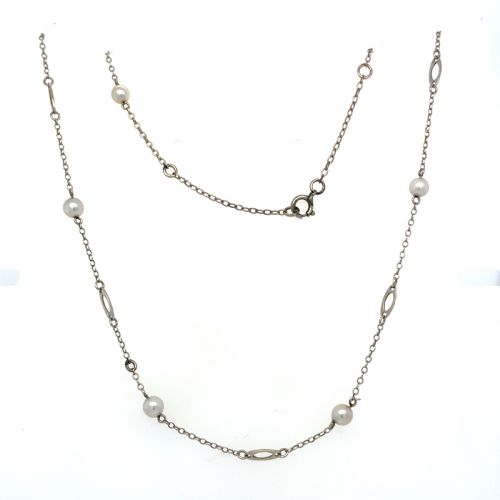
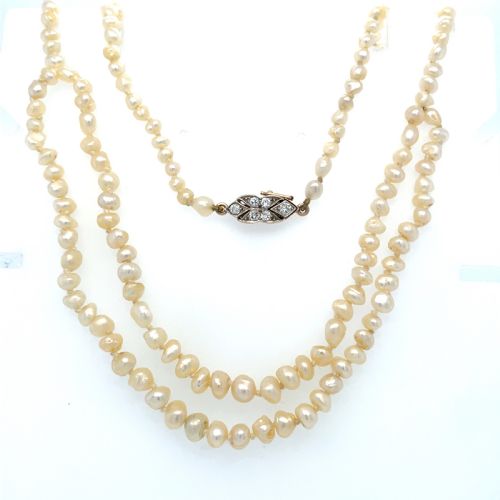
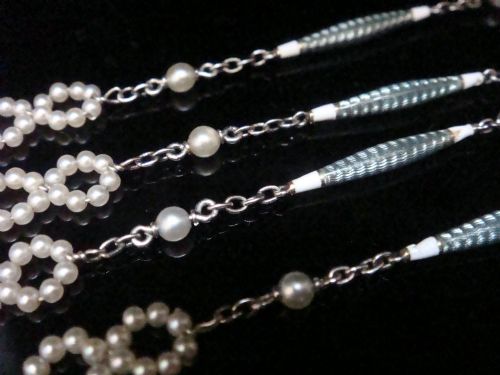
A natural pearl chain represents a refined assembly of genuine pearls mounted upon precious metal links, forming necklaces, longuard chains, and bracelets. These pieces emerge predominantly from Edwardian and Victorian workshops, alongside occasional mid-century interpretations.
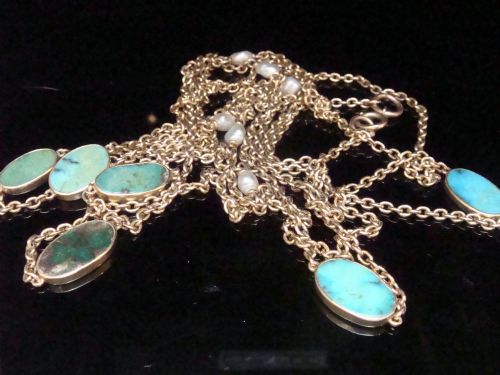
Buyers on this page most frequently encounter Edwardian longuard chains and necklaces set in yellow gold, white gold, or platinum. These items often incorporate supplementary diamonds, turquoise, or amethyst to accent the luminous saltwater pearls.
The selection ranges from delicate seed pearl necklaces to substantial longuard chains measuring over thirty inches in length. Each variation demonstrates the characteristic craftsmanship of its period, uniting organic gems with durable metallic settings.
Factors of quality
The standard of a natural pearl chain depends on the uniformity, lustre, and orient of the pearls themselves. Even matching among natural saltwater pearls requires considerable skill from the original jeweller.
The intricacy of the metalwork, whether platinum enamel or articulated gold links, determines the overall refinement of the piece. Certification and the original integrity of the clasps further distinguish superior examples from standard items.
Natural Pearl Chain Retail Price Guide 2026
Typical asking prices for natural pearl chain among the pieces listed under this phrase on Sellingantiques today, from the lower quarter to the upper quarter. They describe what is for sale here now, not the wider market.
Victorian longuard chains were originally built long enough to double up twice or haul out a pocket watch with dramatic flair.
The Natural Pearl Chain Glossary
- Natural Pearl
- A pearl formed organically within a mollusc without human intervention. These contrast with cultured varieties through their natural growth processes and unique internal structures.
- Saltwater Pearl
- A pearl harvested from oysters living in marine environments. They typically exhibit a deeper lustre and superior orient compared to freshwater alternatives.
- Longuard Chain
- A lengthy chain traditionally designed to be worn doubled or attached to a watch or lorgnette. These pieces frequently measure over thirty inches and incorporate sliding clasps or decorative stations.
- Seed Pearl
- A very small natural pearl, often measuring under two millimetres in diameter. Goldsmiths clustered these tiny gems intricately within Victorian and Edwardian jewellery.
- Barrel Clasp
- A cylindrical fastening mechanism commonly found on antique chains. This secure closure blends seamlessly into the overall design of the jewellery.
Natural Pearl Chain: Frequently Asked Questions
How do I clean a natural pearl chain?
Wipe the pearls gently with a soft, damp cloth after wearing to remove cosmetic residues and skin oils. Avoid harsh chemical cleaners, ultrasonic baths, and prolonged immersion in water, which can damage the silk thread or the organic pearl surface.
Store the chain flat in a fabric-lined box to prevent scratching from harder gemstones. Regular checks by a jeweller ensure the stringing material remains secure and strong.
Can I wear a longuard chain every day?
Wearing a longuard chain daily is possible with mindful handling, particularly given the delicate nature of organic pearls. Protect the chain from perfumes, hairsprays, and abrasive surfaces that dull the pearl lustre over time.
Remove the jewellery before swimming, exercising, or sleeping to protect the precious metal links and the stringing tension. Occasional professional restringing maintains the structural safety of older chains.
How do I identify Edwardian pearl pieces?
Edwardian pearl pieces typically feature platinum or high-karat yellow gold settings paired with delicate filigree or garland motifs. The introduction of platinum allowed jewellers to create airy, lace-like mounts that showcased the natural saltwater pearls.
Certified natural saltwater pearls from this era often display subtle variations in shape and a deep, soft orient. Hallmarks, maker marks, and traditional barrel clasps further assist in dating these antique items.
What is the difference between seed pearls and saltwater pearls?
Seed pearls are exceptionally small natural pearls, often used in dense clusters or woven formations across Victorian and Edwardian jewellery. Saltwater pearls generally grow larger and are set individually or in coordinated graduating lines.
Both types form naturally within molluscs, but their distinct sizes dictate how jewellers incorporated them into necklaces, pendants, and longuard chains.