





Natural History Picture
A natural history picture records plants, birds, insects and mammals through centuries of illustration, painting and taxidermy.
Natural History Picture
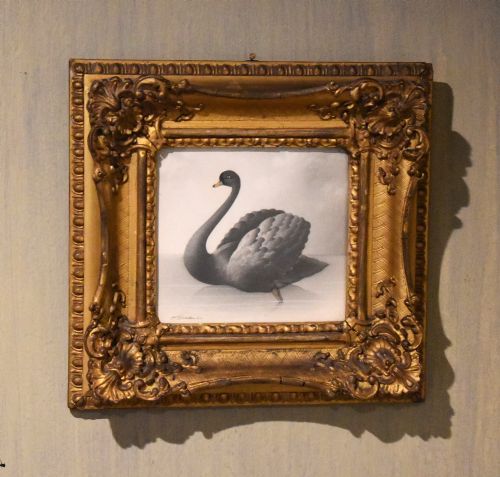
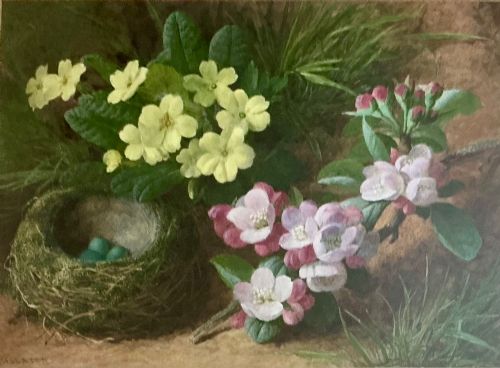
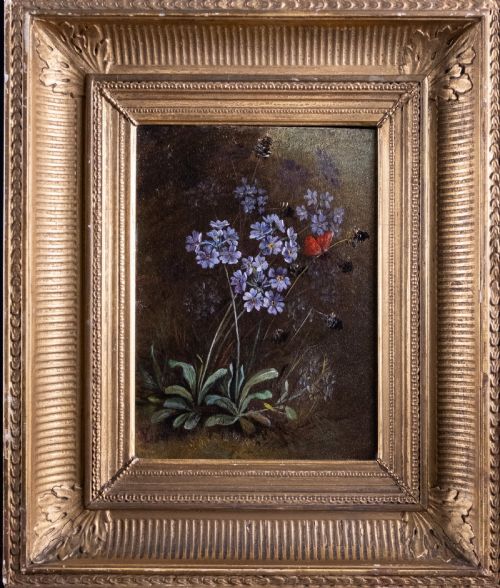
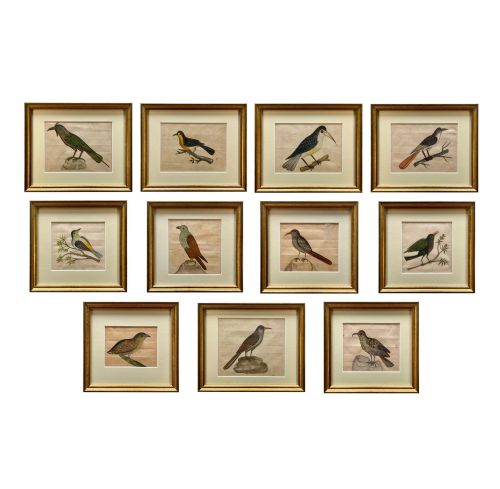
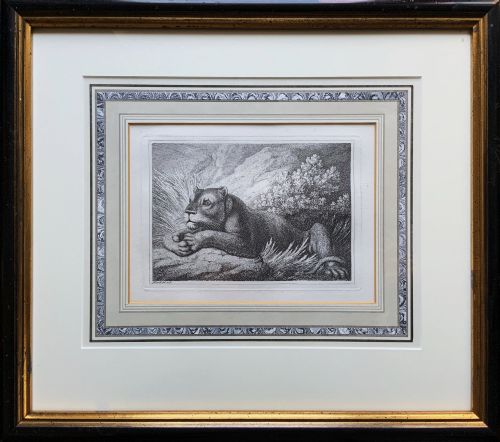
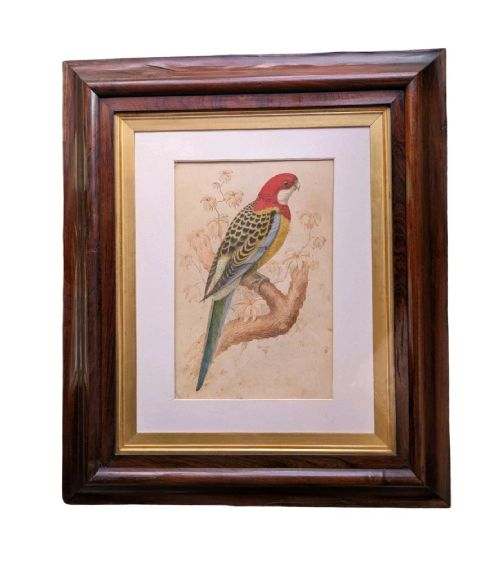
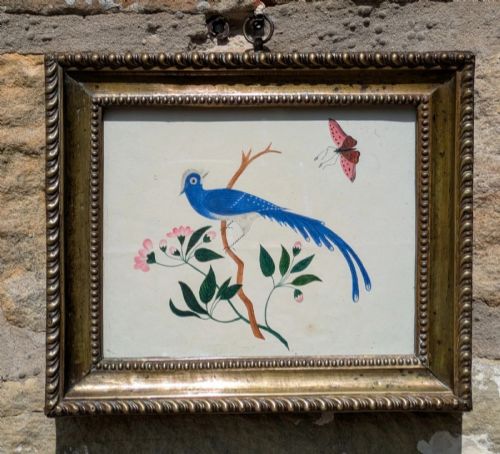
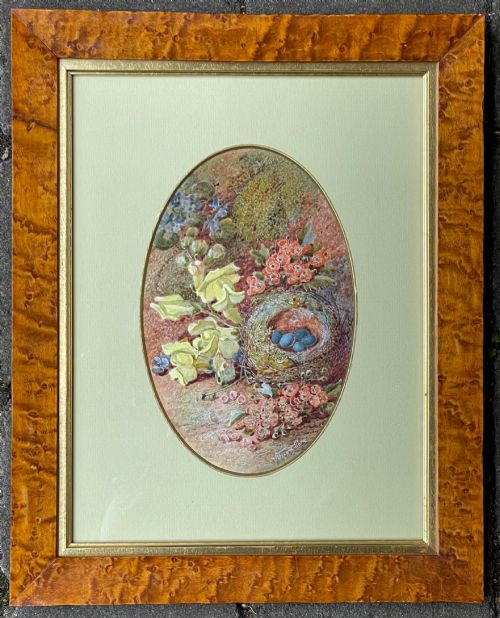
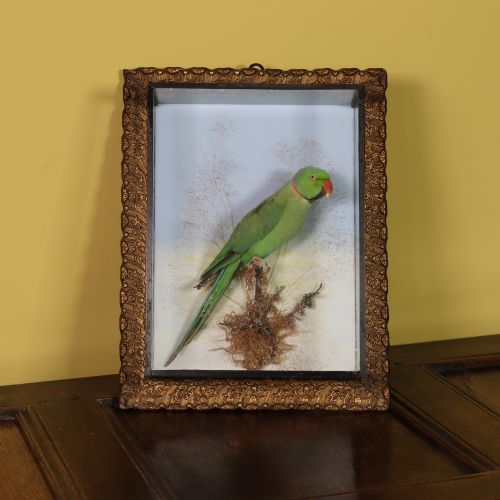
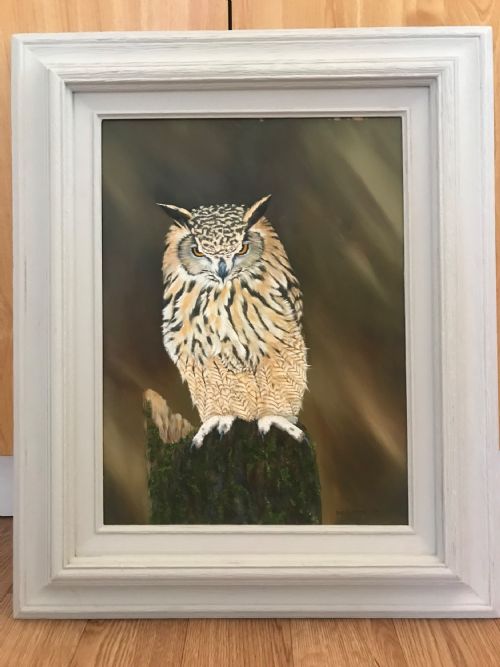
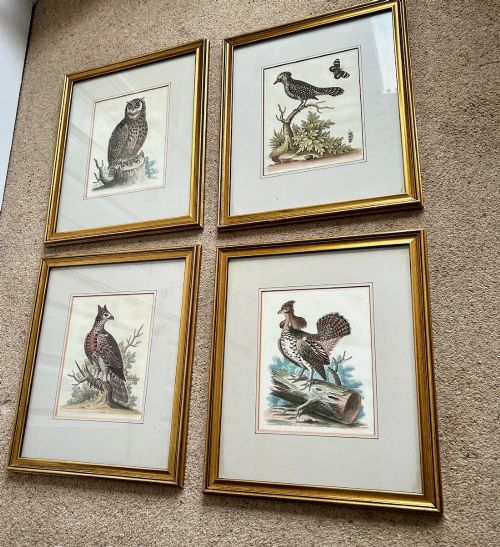
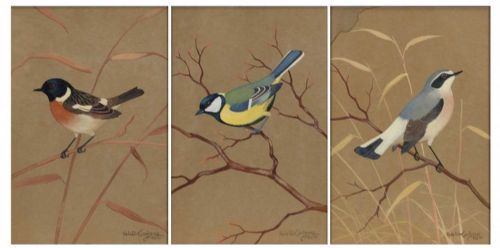
A natural history picture brings specimens from the natural world into domestic interiors through detailed observation and illustration. These pieces range from delicate watercolours of birds and botanical gouache studies to hand-coloured engravings and taxidermy shadow boxes.
The selections available here lean heavily towards nineteenth-century works, alongside eighteenth-century engravings and mid-century paintings. Buyers encounter botanical floral arrangements, anatomical animal studies, and ornithological watercolours framed behind glass in period mounts.
Materials and Techniques
Artists and naturalists relied upon watercolour and gouache on paper to capture the subtle plumage of birds and the vibrant colours of petals. Engravings and lithographs provided a printed base that craftsmen hand-coloured with precise washes.
Framing often utilised ebonised wood, gold leaf and deep giltwood mounts to present the artwork. Taxidermy cases combined preserved specimens with painted backgrounds inside wooden picture frames.
Natural History Picture Retail Price Guide 2026
Typical asking prices for natural history picture among the pieces listed under this phrase on Sellingantiques today, from the lower quarter to the upper quarter. They describe what is for sale here now, not the wider market.
Several artists demonstrated profound dedication by painting rhinoceros skeletons and cockfighting feathers with absolute botanical and zoological precision.
Assessing Quality and Execution
The distinction between ordinary and exceptional works rests upon the precision of the draughtsmanship and the accuracy of the biological rendering. Master naturalists captured skeletal structure and feather formation with exact scientific observation rather than generic decoration.
Original hand-colouring retains a vibrancy and tonal variation that flat printed reproductions lack. The integrity of the original framing, including period glass and genuine gilt mounts, preserves the historic context of the piece.
Samuel Howitt·George Edwards·Charles F Tunnicliffe·William Swainson·Eleazor Albin
The Natural History Picture Glossary
- Lithography
- A planographic printing method using a stone or metal plate to produce crisp botanical and zoological prints. Hand-colouring was frequently applied afterwards to enhance the scientific detail.
- Gouache
- An opaque water-based medium that provides rich, solid colour for botanical and avian studies. It allows artists to build dense layers and bright highlights on paper.
- Taxidermy case
- A three-dimensional display where preserved animals or birds are mounted within a glazed frame. These pieces often feature painted natural backgrounds to simulate a habitat.
- Engraving
- A printmaking technique where an image is incised into a metal plate to hold ink. This process allowed publishers to distribute detailed anatomical and ornithological plates.
Natural History Picture: Frequently Asked Questions
How do I care for these works?
Paper and watercolour pieces require protection from direct sunlight to prevent the fading of delicate pigments. Maintaining stable room humidity prevents the deterioration of historic paper and wooden frames.
Are these works original?
The selection includes original hand-painted watercolours, oils and gouaches alongside period engravings and lithographs from the eighteenth and nineteenth centuries. Each piece originates from its stated historical era.
How were they originally used?
Naturalists and collectors bound these prints into folios or framed them for display in studies and libraries. They served both as scientific records and as decorative room ornaments.
How do I date an antique piece?
Dating relies upon the paper watermark, the printing technique, the style of the handwriting, and the construction of the frame. Costume details and species nomenclature also provide clues to the era.