

Narrow Wood Shelves
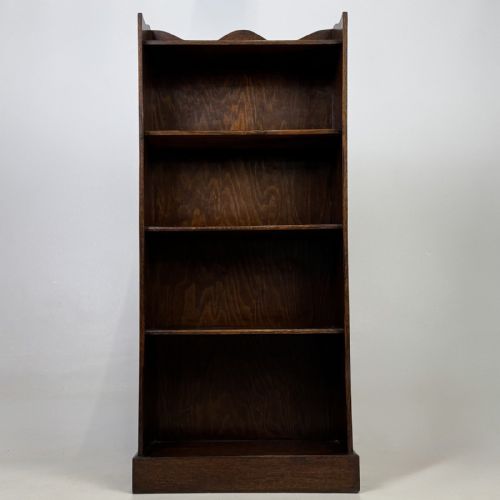
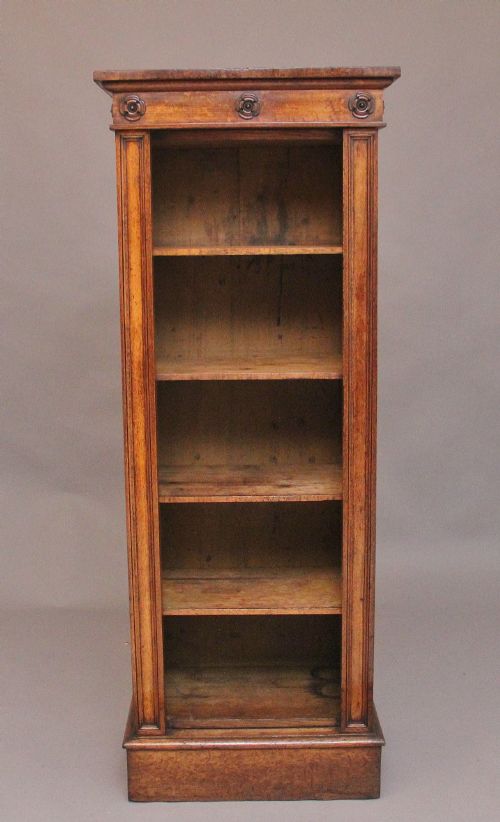
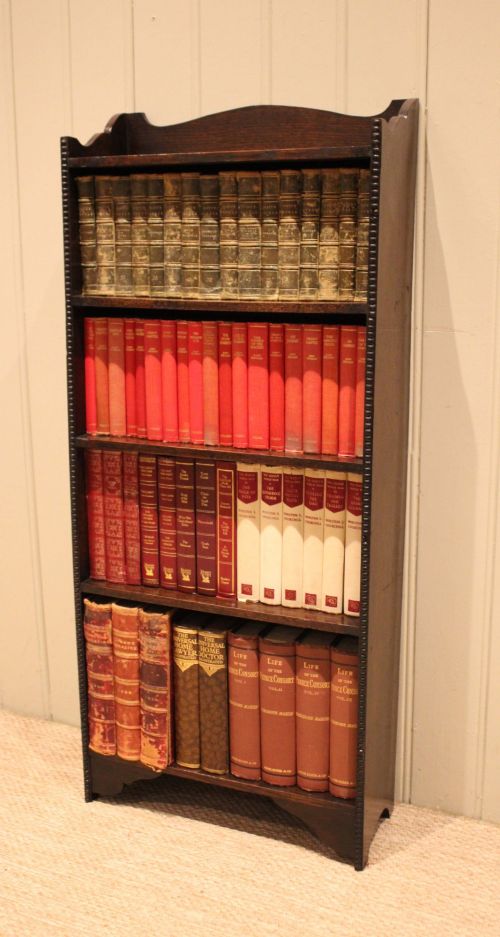
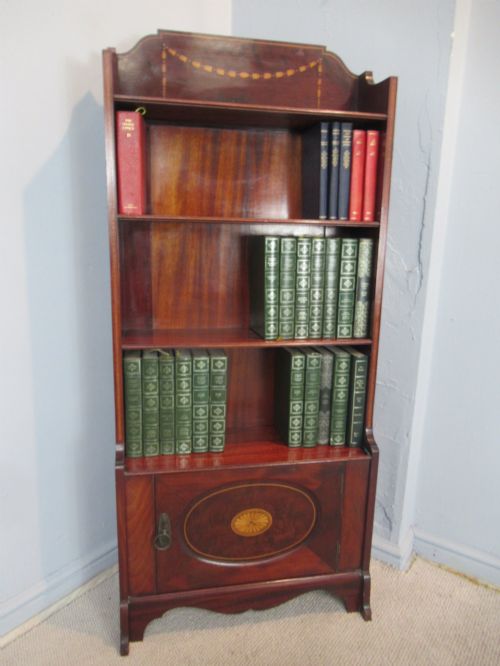
These narrow wood shelves offer practical vertical storage in compact rooms, combining utility with period character.
Narrow Wood Shelves
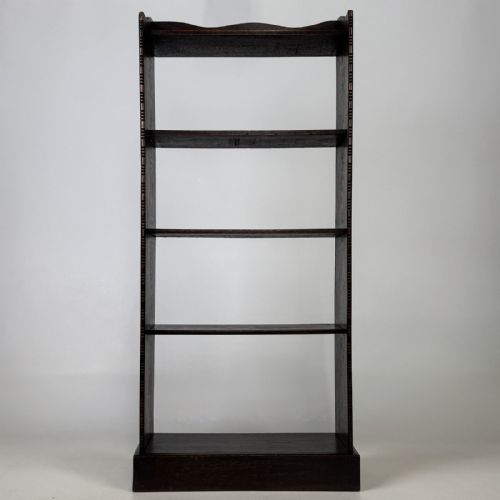
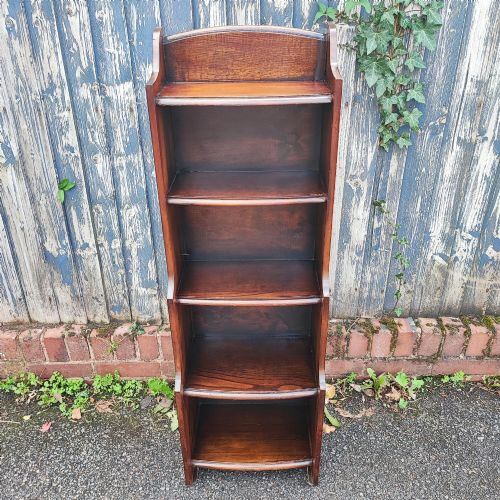
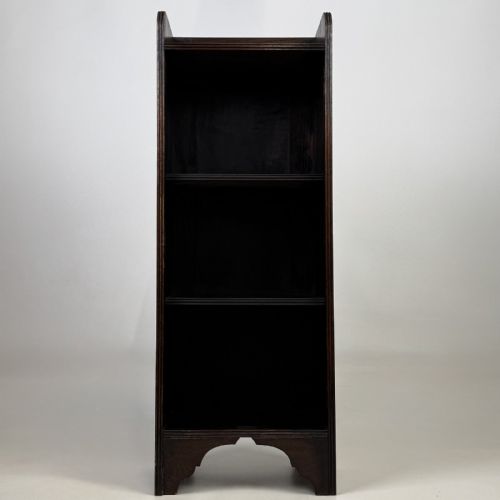
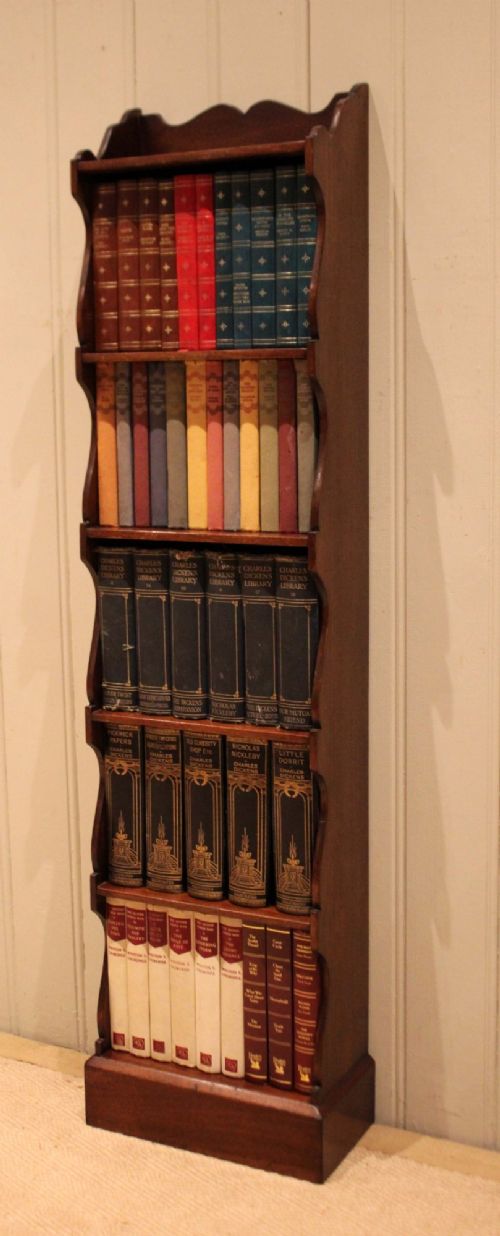
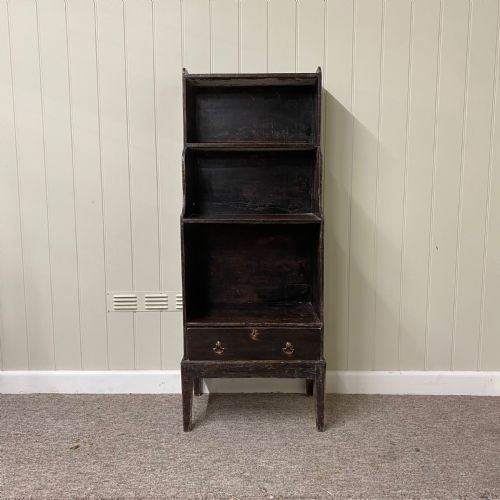
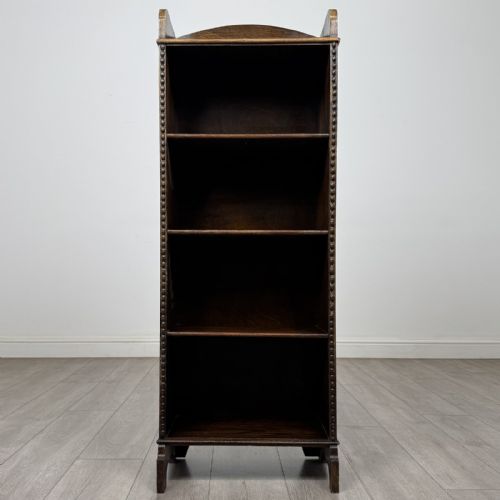
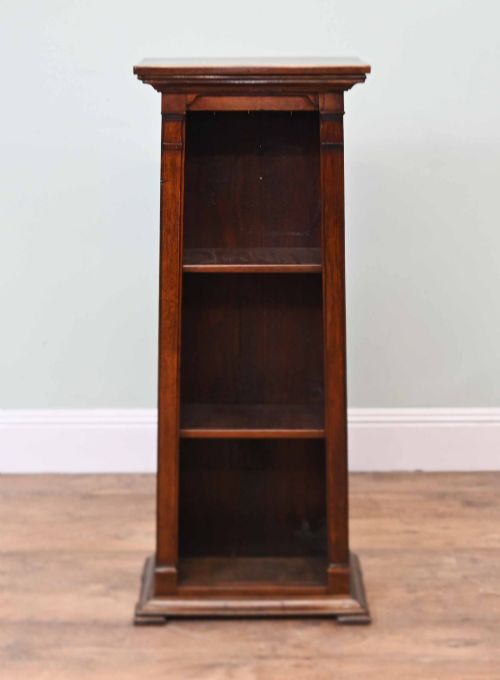
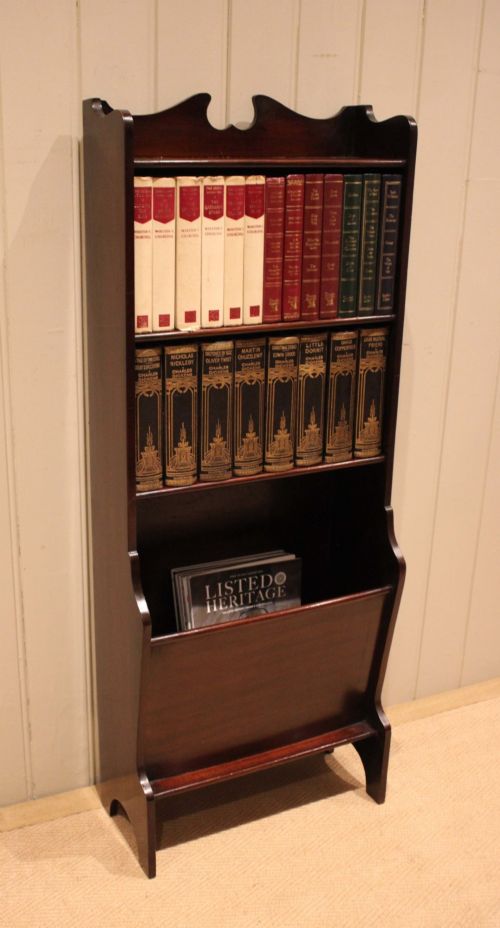
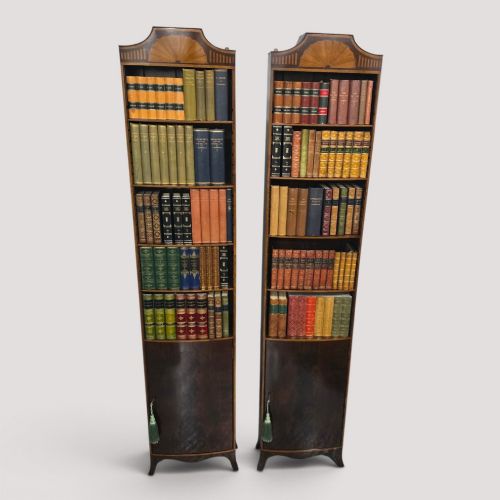
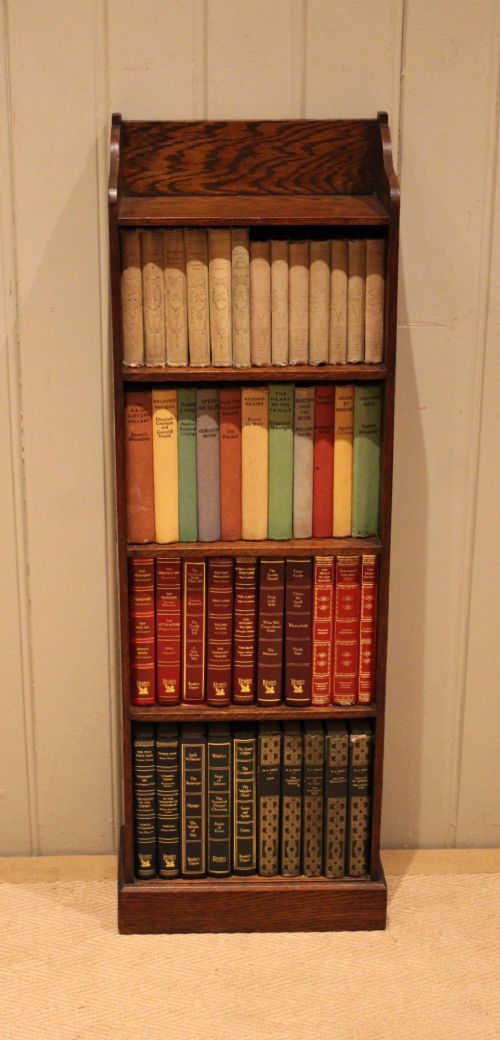
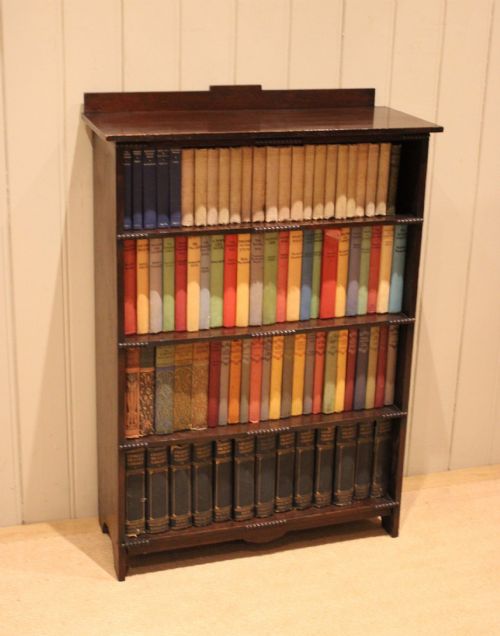
When searching for narrow wood shelves, buyers encounter open bookcases, whatnots, corner cabinets, and shelving units designed to maximise wall space in restricted areas. These pieces originate from the nineteenth century, the Edwardian era, and the early twentieth century, spanning styles such as Georgian, Regency, Arts and Crafts, and Art Deco.
The version most commonly met on this page is the open bookcase, often constructed in tall or small proportions with adjustable or fixed shelves. Oak and mahogany dominate the forms, frequently accompanied by rosewood, satinwood, walnut, elm, and yew wood.
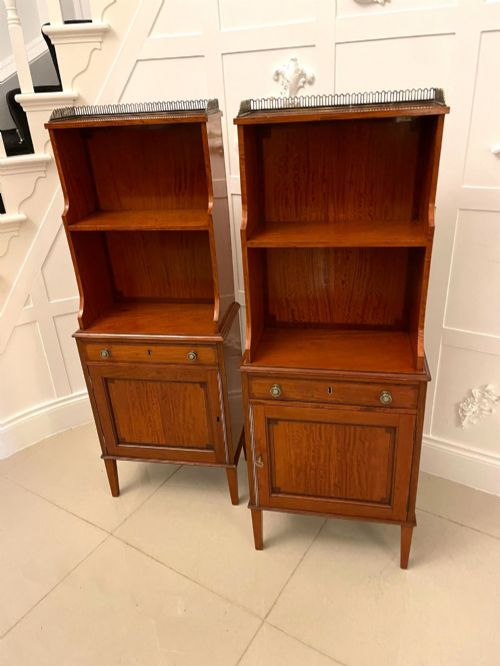
Makers such as Gillows and Waring and Gillows appear among pieces featuring arched galleries, bow fronts, beaded edges, or ormolu mounts. Other formats include chiffoniers, sideboards, and tiered display stands resting on turned feet and original castors.
How they were made
Makers utilised solid timbers like oak, mahogany, and rosewood alongside decorative veneers such as satinwood and faux burr walnut. Construction methods relied on traditional joinery, supported by brass hardware, ormolu mounts, and inlaid detailing.
Surface treatments included moulded cornices, beaded edges, carved galleries, and polished finishes that accentuated the natural grain of the wood. Stands and shelving units often incorporated turned wooden feet and castors for mobility.
Narrow Wood Shelves Retail Price Guide 2026
Typical asking prices for narrow wood shelves among the pieces listed under this phrase on Sellingantiques today, from the lower quarter to the upper quarter. They describe what is for sale here now, not the wider market.
Several tall mahogany stands and shelving units retain their original castors, ready to roll across the floor after a century.
What varies in quality
The grade of timber and the precision of the cabinetwork define the upper tier of these pieces, particularly when dense grains of mahogany or oak are selected. Refined decorative elements such as dentil cornices, fine satinwood inlay, and matched veneers separate standard workshop output from exceptional examples.
Makers known for high-standard production, such as Gillows, distinguish their pieces through structural integrity and balanced proportions across tall and waterfall designs. The presence of original mounts, intact brass fittings, and thoughtful detailing elevates the standing of an individual shelf or bookcase.
Gillows·Waring And Gillows
The Narrow Wood Shelves Glossary
- Waterfall bookcase
- A set of open shelves where each tier steps back progressively from bottom to top, creating a profile resembling descending water.
- Dentil cornice
- A architectural moulding characterised by a repeating pattern of small rectangular blocks projecting beneath the upper edge.
- Whatnot
- A multi-tiered open piece of furniture designed for displaying ornaments, books, or small objects.
- Chiffonier
- A low cabinet featuring shelving or a superstructure above a closed cupboard base, developed in the nineteenth century.
- Ormolu mounts
- Decorative gilt-bronze applied to the exterior surfaces of furniture to embellish corners, friezes, or feet.
Narrow Wood Shelves: Frequently Asked Questions
Where should narrow wood shelves be placed?
These compact pieces fit easily into alcoves, hallways, and small reception rooms where floor space is limited. Their vertical orientation provides substantial storage without dominating the room.
Position them against blank walls or beside larger furniture items to balance the layout of the interior.
How are open bookcases different from cabinets?
Open bookcases provide direct, unhindered access to books and objects without doors or glass panels. This design suits everyday reference and display.
Cabinets enclose the contents behind solid or glazed doors, protecting them from dust and light.
Can these shelves support heavy books?
Many period pieces feature sturdy timber construction in oak or mahogany capable of holding standard volumes. Some examples include adjustable shelving systems for custom spacing.
Distributed weight prevents undue sagging across wider spans of timber.
How do I identify Edwardian oak bookcases?
Edwardian pieces often display lighter oak tones, simplified mouldings, and occasionally Arts and Crafts influences. Beaded edges and modest proportions distinguish them from heavier Victorian designs.
Construction details and hardware typically align with manufacturing methods from the early twentieth century.