




Narrow Sofa Table
A narrow sofa table brings versatile surface space to slim hallways and compact rooms without crowding the floor.
Narrow Sofa Table
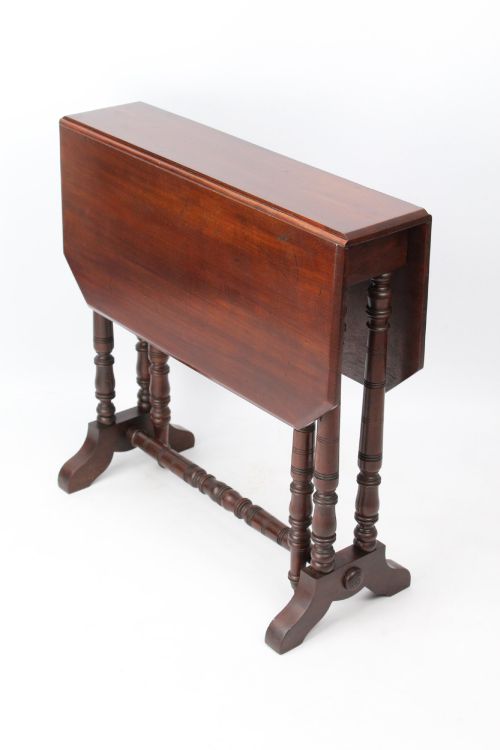
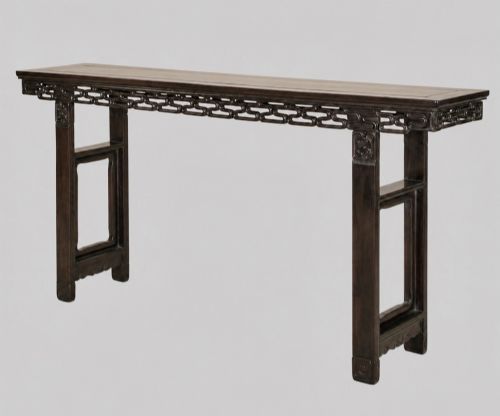
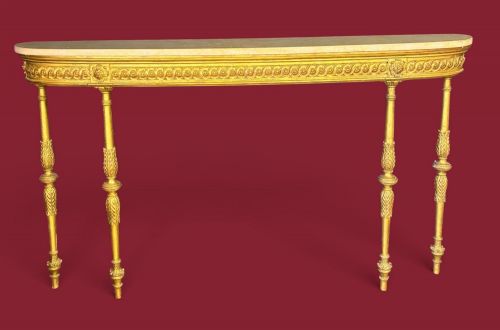
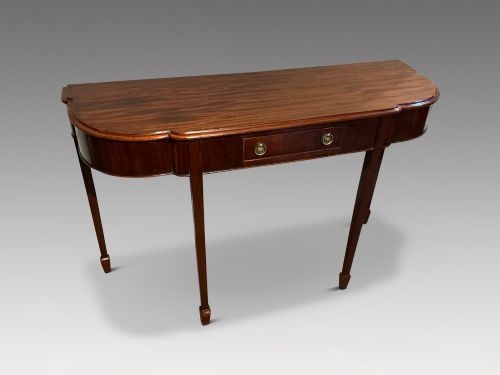
A narrow sofa table encompasses versatile console tables, drop-leaf sutherland pieces, and slim side tables designed to fit compact spaces. These pieces emerge from the nineteenth and early twentieth centuries, spanning Edwardian, Victorian, and Georgian styles.
The version most commonly met on this page is the mahogany sutherland table or the painted console, often featuring drop leaves or narrow proportions suited to placement behind a sofa or along a hallway. Oak, pine, and hardwood examples also appear alongside French provincial and Scandinavian country forms.
Makers produced these tables to serve multiple domestic functions, functioning as serving surfaces, occasional tables, and hall furniture. The evidence shows a diverse geographical span, including English workshops, French provincial makers, and Chinese Qing Dynasty pieces.
How they were made
Cabinetmakers utilised timber such as mahogany, oak, pitch pine, and birch, frequently combining solid woods with matched veneers. Structural stability relied on traditional joinery, including trestle underframes, gateleg actions, and hinged drop leaves.
Surface treatments varied from polished mahogany and bleached oak to painted finishes in beech and softwoods. Brass fittings, marble tops, and subtle inlay work added decorative contrast to structural timbers.
Narrow Sofa Table Retail Price Guide 2026
Typical asking prices for narrow sofa table among the pieces listed under this phrase on Sellingantiques today, from the lower quarter to the upper quarter. They describe what is for sale here now, not the wider market.
Listings span the nineteenth and early twentieth centuries, featuring mahogany, oak, pine, and marble across Victorian, Edwardian, and Georgian styles.
What varies in quality
Quality rests in the selection of timber and the precision of the joinery, particularly where folding leaves or trestle frames meet the main structure. Finer examples display carefully figured mahogany grains, crisp inlay, and robust underframes that remain stable when extended.
The integrity of the original surface finish, whether aged polish, bleached oak, or period paint, distinguishes standard utilitarian items from finer decorative pieces. Proportions also matter, as pieces designed with exceptional restraint in their width command attention for their elegance.
The Narrow Sofa Table Glossary
- Sutherland table
- A narrow drop-leaf table featuring exceptionally slender legs and leaves that fold down almost vertically. This form allows the piece to occupy minimal floor space when closed.
- Console table
- A table designed to stand against a wall, frequently secured or supported by brackets or console legs. They serve decorative and functional roles in hallways and reception rooms.
- Gateleg table
- A table with hinged sections supported by legs that swing outward like a gate. This mechanism provides extended surface area while maintaining a compact profile when folded.
- Trestle table
- A table consisting of horizontal beams supported by vertical framework or trestles at each end. This construction method offers sturdy support without obstructing legroom.
- Inlay
- A decorative technique where contrasting materials are inserted into recesses carved into the wood surface. It often defines geometric or floral patterns on tabletop borders.
Narrow Sofa Table: Frequently Asked Questions
What is a sutherland table?
A sutherland table is a specific drop-leaf form characterised by exceptionally narrow proportions when folded and long, slender legs that support the extended leaves.
Cabinetmakers designed them to stand compactly against a wall or behind seating until extra surface area was required for tea or reading materials.
How do I style a narrow console table?
These slim tables fit naturally into hallways, narrow landings, or positioned directly behind a sofa in a living room.
Their restrained depth allows them to provide a practical surface for lamps and objects without obstructing walkways or room flow.
How do I date a Victorian table?
Dating relies on identifying timber choices, construction methods, and stylistic cues recorded in the piece's manufacture. Victorian examples often utilise solid mahogany or pine with traditional joinery.
Comparing the proportions and hardware to documented nineteenth-century forms helps narrow down the period of production.
What is the difference between a console and a side table?
A console table is traditionally shaped to stand flat against a wall, sometimes featuring wall fixings or decorative brackets. Side tables are generally freestanding items designed to sit beside seating or in open spaces.
Both categories overlap significantly in modern antique listings depending on their proportions and leg configuration.