




Narrow Pine Storage
Narrow pine storage brings practical utility and honest country character into compact spaces through versatile cupboards, chests, and wardrobes.
Narrow Pine Storage
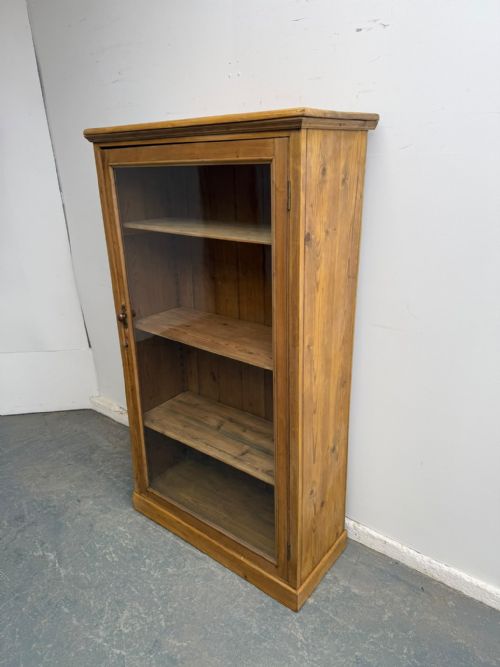
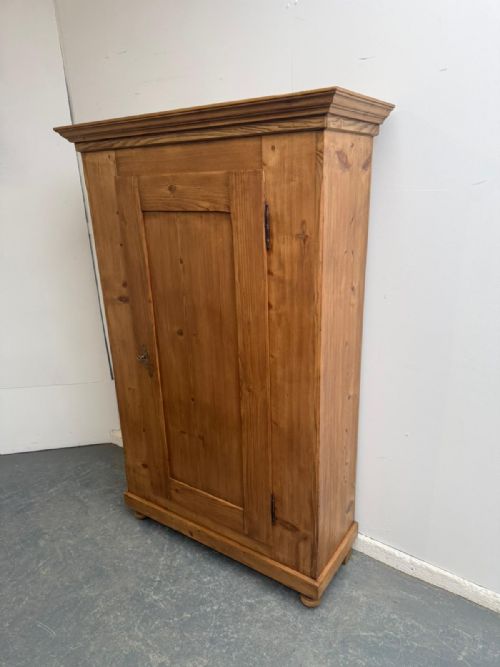
When you search for narrow pine storage, you encounter functional timber furniture designed to maximise upright space in domestic interiors. The selections span tall housekeeper's cupboards, shallow hall wardrobes, pharmacy chests of drawers, and slender cabinets.
The pieces on this page originate predominantly from the Victorian period and the nineteenth century, alongside Georgian, nineteen-hundred, and nineteen-twenty examples. These items served hardworking domestic roles in kitchens, linen rooms, and country houses.
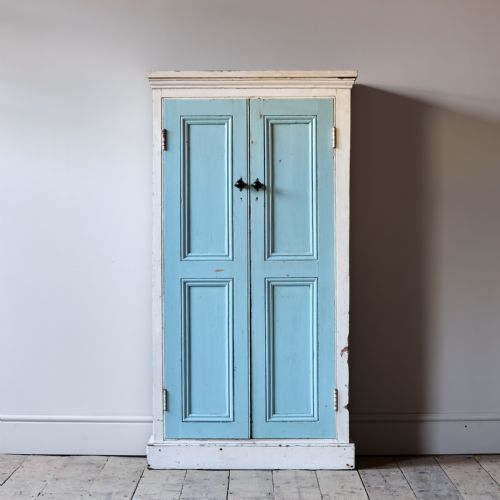
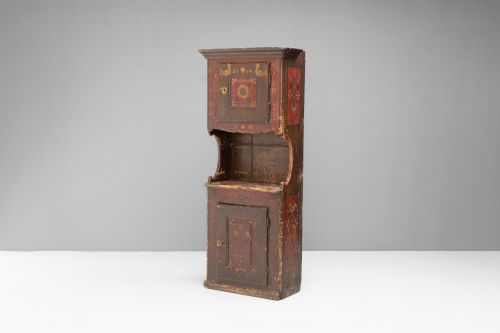
Forms vary from single-door skeleton cupboards and pitch pine Wellington chests to painted linen cupboards and rustic farmhouse chests of drawers. You will frequently meet pieces finished in original country house scumble paint, cream paint, or waxed timber surfaces.
How they were made
Makers utilised solid pine and pitch pine for structural integrity, constructing upright bodies with panelled doors and multi-drawer arrangements. Iron and metal hardware such as hinges and pulls reinforced functional points on these hardworking household items.
Surfaces received various treatments ranging from traditional wax finishes that highlighted the grain to applied coats of paint including cream finishes and scumble effects. Construction relied on traditional joinery methods suited to utilitarian furniture built for daily service.
Narrow Pine Storage Retail Price Guide 2026
Typical asking prices for narrow pine storage among the pieces listed under this phrase on Sellingantiques today, from the lower quarter to the upper quarter. They describe what is for sale here now, not the wider market.
Listings feature nineteen-hundred pitch pine Wellington chests alongside Victorian pharmacy chests and Georgian hall wardrobes.
What varies in quality
Quality reveals itself in the proportion of the timber frame and the integrity of the original construction relative to the slender footprint. Well-proportioned narrow storage maintains structural balance and clean vertical lines without appearing heavy or clumsy.
The preservation of original surface finishes, such as early scumble paint or genuine wax patination, elevates the character of a piece. Finer examples retain their original internal configurations, iron hardware, and uncompromised timber integrity over centuries of domestic use.
The Narrow Pine Storage Glossary
- Pitch pine
- A dense, resinous softwood variety used for durable nineteenth-century furniture like Wellington chests. It offers enhanced strength and a distinct grain pattern.
- Scumble paint
- A decorative glazing technique applied over a base coat to imitate wood grain or create mottled textures. It is frequently found on nineteenth-century country house furniture.
- Wellington chest
- A tall, narrow chest of drawers secured by a locking side flap hinged to one side of the frame. This design traditionally safeguarded valuable papers or linens.
- Skeleton cupboard
- A cupboard featuring glazed or open wooden framing designed to display contents while maintaining a slender profile. These were often utilised in linen rooms or sculleries.
- Pharmacy chest
- A multi-drawer cabinet originally intended for storing medicines and apothecary supplies. Collectors prize them for their abundant small drawers and dense bank configuration.
Narrow Pine Storage: Frequently Asked Questions
What rooms suit narrow pine storage?
These compact cupboards and chests fit effortlessly into hallways, alcoves, and smaller bedrooms where floor space is limited. Their vertical proportions provide substantial storage capacity without dominating the room.
Kitchens and utility spaces also benefit greatly from tall housekeeper's cupboards or narrow linen cabinets. They offer practical organisation for everyday items while adding traditional warmth to the interior.
How do I care for waxed pine?
Maintain waxed pine surfaces by applying a quality beeswax polish sparingly and buffing with a soft cloth to preserve the sheen. Avoid placing timber furniture in direct sunlight or near heat sources to prevent drying and cracking.
Clean surfaces with a dry or barely damp cloth rather than chemical sprays that strip the wax. Regular, gentle maintenance protects the historic patina built up over decades of use.
Are painted pine pieces original?
Many items retain early or original painted finishes such as cream paint or scumble effects applied during the nineteenth century. Original paint adds significant historical interest and visual charm to country furniture.
Some pieces present a waxed finish where earlier paint was removed or later painted models were introduced. Inspecting the surface closely reveals the relationship between the timber and its decorative history.
How can I date a pine cupboard?
Dating relies on examining construction methods, hardware types, and timber characteristics observed across nineteenth and early twentieth-century examples. Hand-cut joints and original iron hinges typically point towards earlier Victorian or Georgian origins. Nail types, backboard construction, and overall wear patterns further help establish the era of manufacture. Comparing the form against documented regional styles provides additional chronological context.