


Narrow Pine Cabinet
A narrow pine cabinet brings compact storage and honest texture to small rooms, drawing on centuries of vernacular woodworking traditions.
Narrow Pine Cabinet
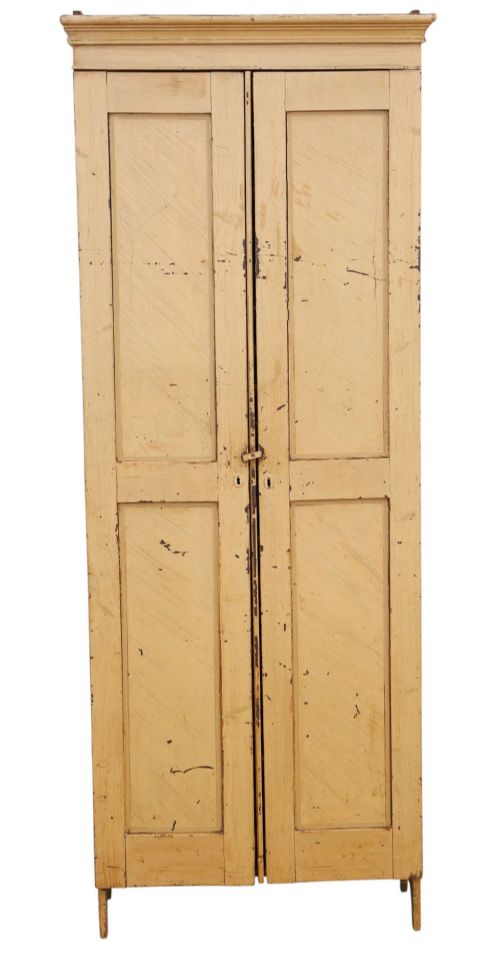
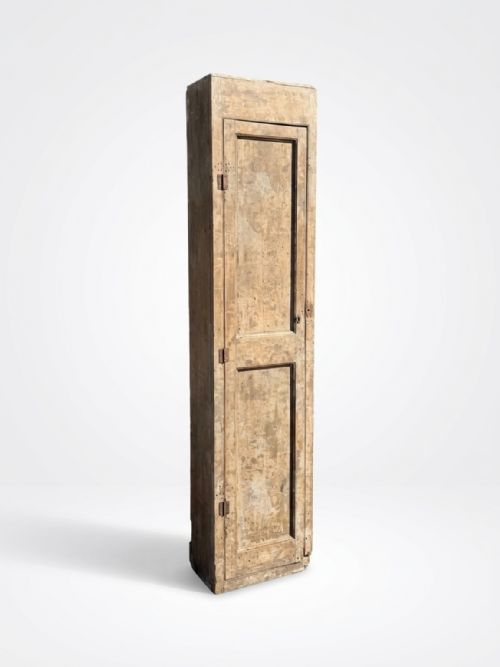
A narrow pine cabinet serves as a space-saving storage solution, appearing across domestic settings in tall, upright proportions. These pieces span periods from the Georgian era through the Victorian period and into the early twentieth century.
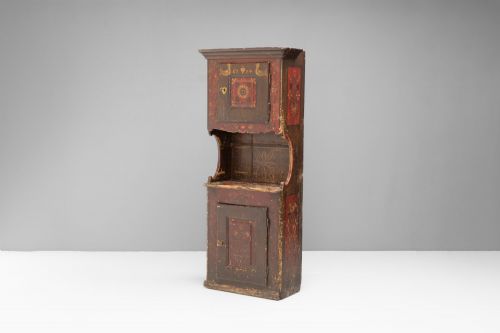
The form encompasses various regional interpretations, including Scandinavian country designs, French provincial pieces, and English farmhouse cupboards. Common manifestations on this page include tall kitchen housekeepers' cupboards, shallow hall wardrobes, chimney cupboards, and pharmacy chests.
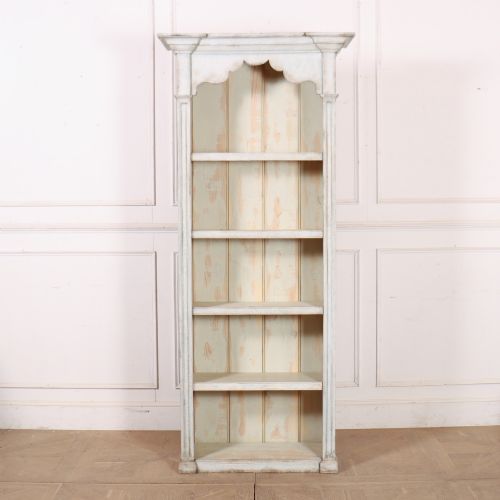
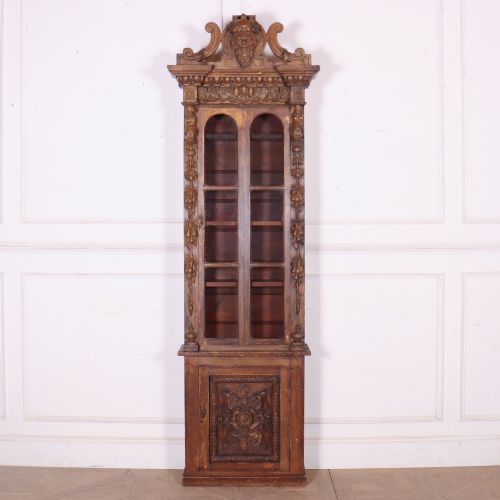
Makers utilised softwoods to build functional furniture for everyday storage needs, often finishing the surfaces with paint or natural wax. Buyers encounter single-door skeleton cupboards, multi-drawer chests, and glazed bookcases sharing these slender footprints.
Construction and materials
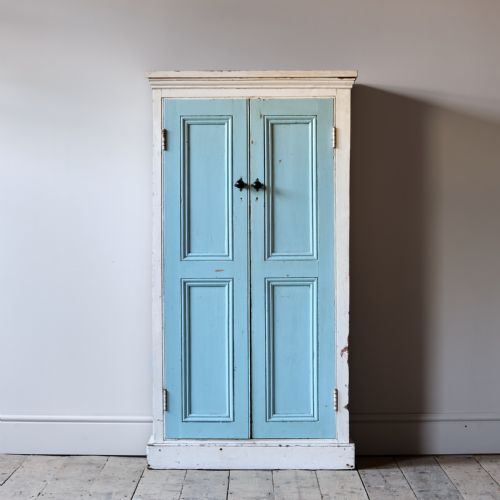
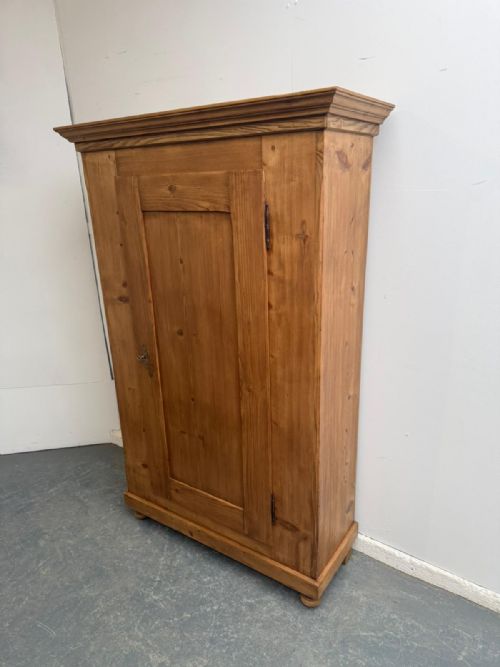
Carpenters built these narrow pieces primarily using solid pine and pitch pine, selecting straight-grained timber for structural stability. Iron and metal hardware such as hinges, handles, and locks provided durable mechanical function to doors and drawers.
Surfaces received various treatments according to regional fashion and domestic use, ranging from exposed waxed timber to layered coats of paint. Glazed panels appeared on upper sections for display purposes, while solid paneling protected stored household linens and provisions.
Some narrow cupboards were built so thin they lived entirely in the shadow of the chimney.
Assessing craftsmanship and condition
Quality reveals itself in the integrity of the timber joints, the thickness of the pine boards, and the retention of original hardware. Superior examples display thoughtful proportions and careful joinery that has survived decades of daily domestic service.
The presence of original surface finishes, whether early paint or traditional wax, distinguishes pieces that retain their historical character from those stripped or heavily altered later. Structural soundness in narrow proportions depends heavily on stable uprights and well-fitted doors that hang true.
The Narrow Pine Cabinet Glossary
- Pitch pine
- A dense, resinous softwood variant prized for its durability and prominent grain patterns. It provided robust framing for nineteenth-century furniture.
- Skeleton cupboard
- A specialised cabinet featuring a frame designed to hold removable shelves or specific interior fittings. This construction allowed flexible storage for linens or provisions.
- Wellington chest
- A tall, vertical chest of drawers secured by a hinged locking side stile that fastens over the drawer edges. This design offered secure storage in restricted floor spaces.
- Chimney cupboard
- An exceptionally narrow storage piece built to fit into the tight spaces flanking a fireplace. These units maximised awkward alcoves in older homes.
Narrow Pine Cabinet: Frequently Asked Questions
What rooms suit a narrow pine cabinet?
These compact pieces fit easily into hallways, alcoves, and small kitchens where floor space is limited. Their slender footprints provide vertical storage without overwhelming modest room dimensions.
They function well as linen stores, bookcase combinations, or general utility cupboards in domestic interiors.
How do I care for waxed pine?
Maintain waxed surfaces by applying a traditional beeswax polish periodically to nourish the soft timber. Avoid placing these cabinets near direct heat sources that can dry out the pine.
Regular dusting with a soft cloth keeps the finish intact without harming the historical patina.
Are painted finishes original on these?
Many nineteenth-century pieces retain early or original paint layers applied to protect the softwood and suit domestic decoration schemes. Over time, these coatings develop natural wear and craquelure through daily use.
Inspect the edges and interior surfaces to understand the history of the paint layers present on the cabinet.
How can I date a pine cabinet?
Examine the construction methods, such as hand-cut dovetails in the drawers and the style of the iron hardware. Georgian and Victorian pieces often exhibit distinct proportions and moulding profiles characteristic of their era.
Secondary woods used in drawer linings and backboards also help determine the approximate period of manufacture.