



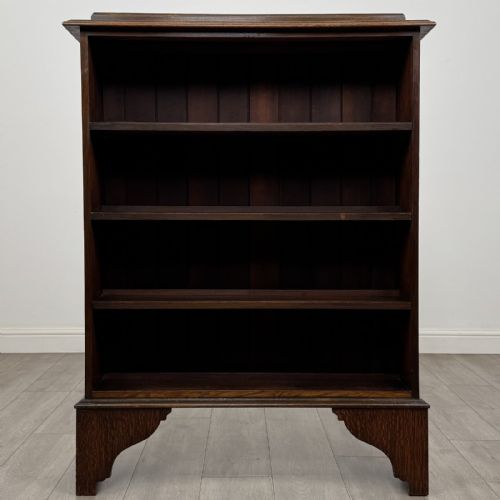
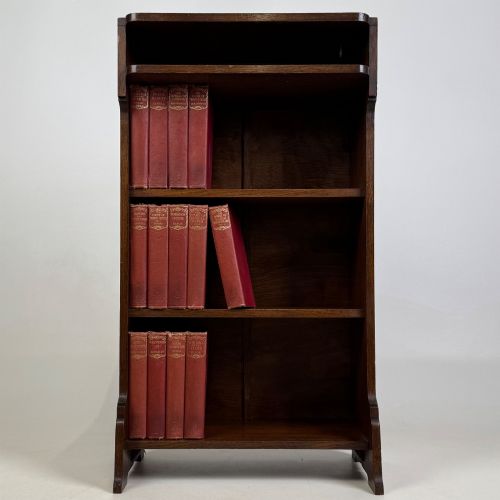
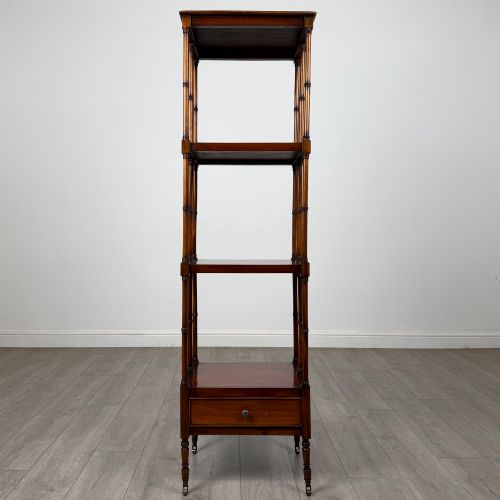
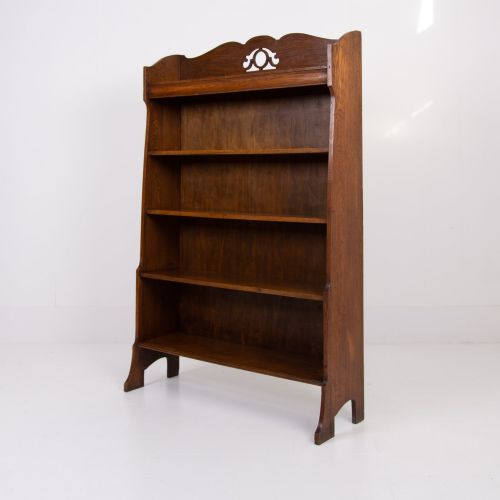
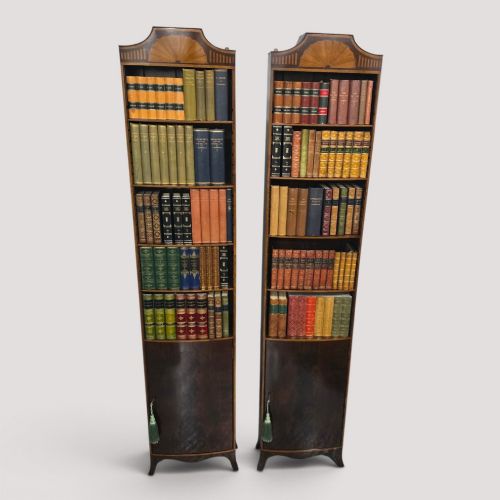
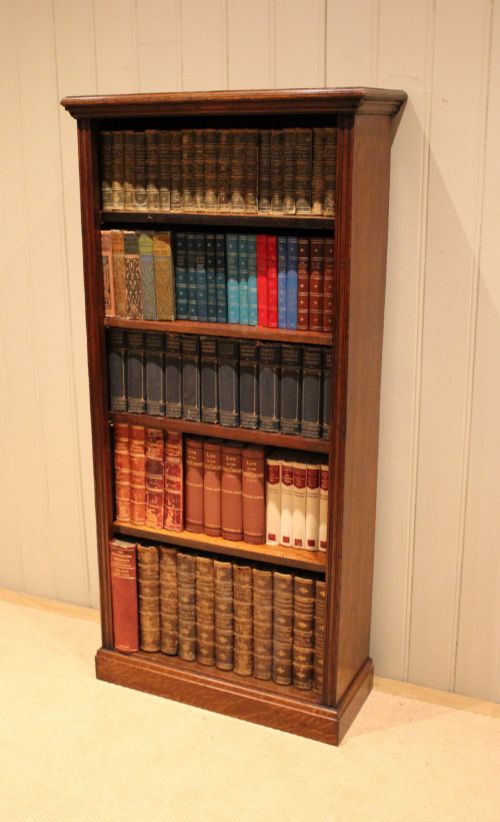
Narrow Display Shelf
A narrow display shelf brings vertical utility and architectural elegance to compact rooms.
Narrow Display Shelf
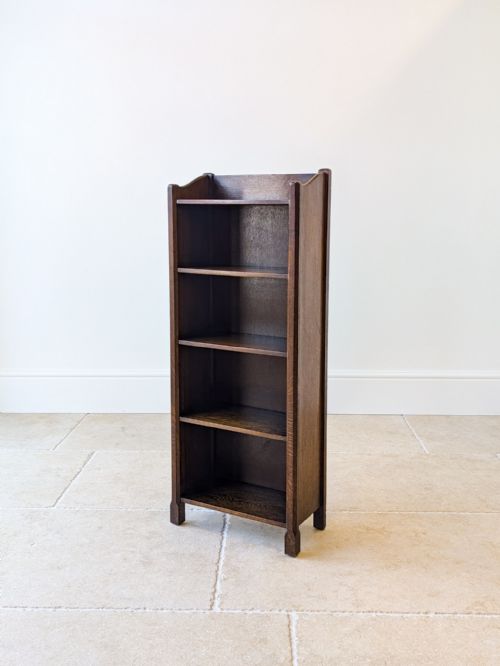
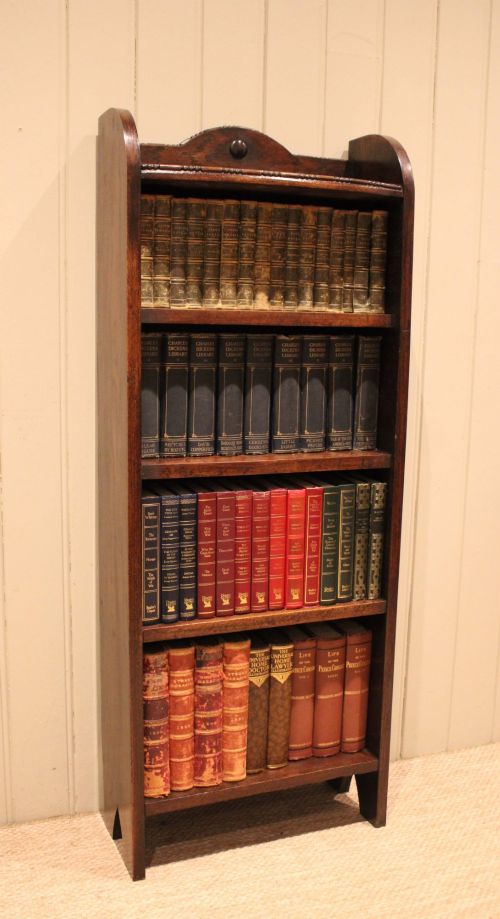
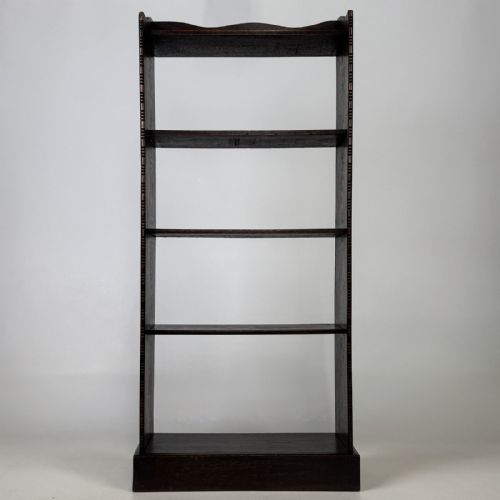
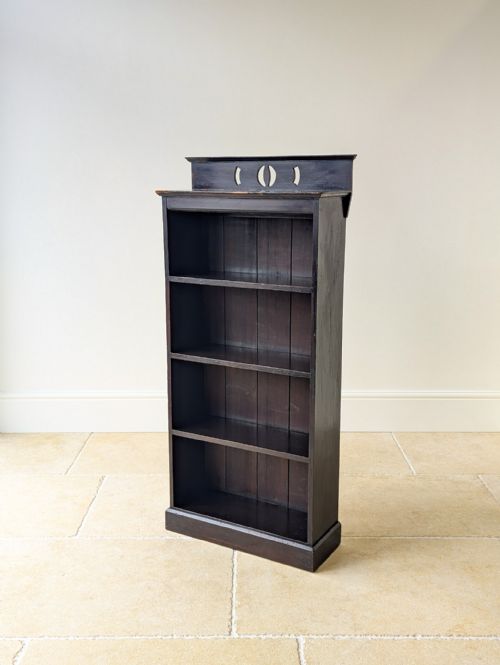
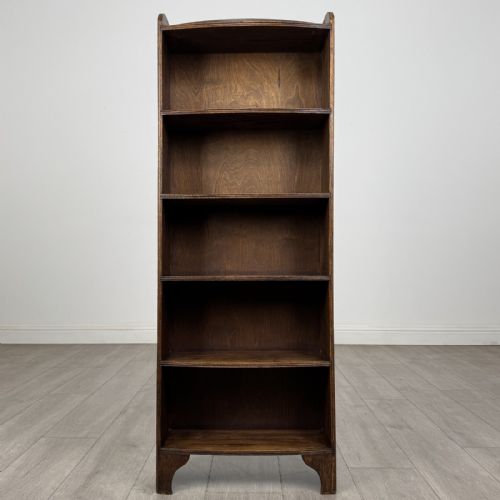
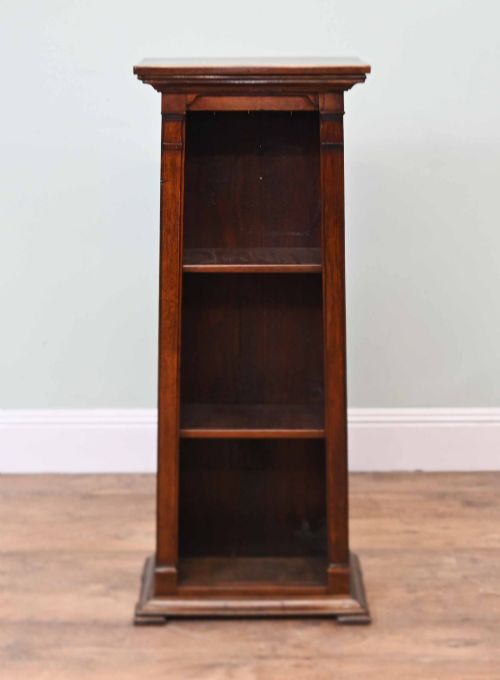
A narrow display shelf serves as a practical storage piece for books and decorative objects in compact spaces. When seeking a narrow display shelf, buyers frequently encounter open bookcases, etageres, whatnots, and slender cabinets spanning the Victorian, Edwardian, and early twentieth-century periods. These pieces utilise vertical space effectively without dominating a room.
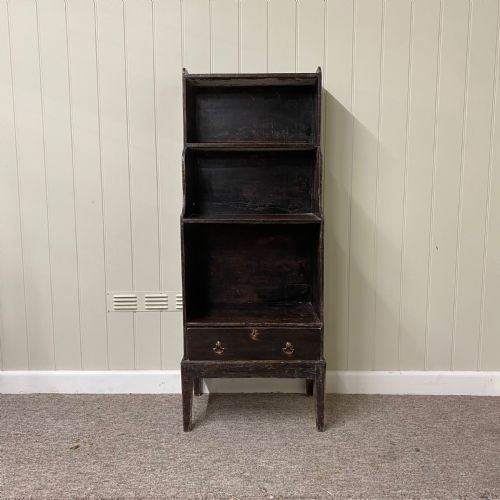
The selection ranges from sturdy oak Arts and Crafts pieces to elegant mahogany and rosewood furniture with inlaid details. Smaller rustic country examples and painted French designs also appear across the listings. Buyers meet variations including adjustable shelves, raised galleries, and integrated lower cupboards or drawers.
Originating predominantly from late nineteenth and early twentieth-century workshops, these items reflect diverse stylistic revivals such as Regency and Queen Anne. Their slender proportions make them adaptable for hallways, alcoves, and studies. Every piece balances accessible storage with decorative presence.
Materials and construction methods
Cabinet makers relied heavily on hardwoods such as oak, mahogany, and rosewood for structural integrity and refined grain patterns. Pine and satinwood also feature as primary timbers or secondary woods for internal components. Paint and applied brass elements provide surface decoration and structural reinforcement.
Construction techniques involve traditional joinery, including carved edges, beaded borders, and slender pillars to support multiple tiers. Inlaid stringing and decorative cut-outs demonstrate the detailed hand-working typical of the Arts and Crafts and Sheraton Revival movements. Adjustable shelving systems in some pieces show an emphasis on functional adaptability.
Narrow Display Shelf Retail Price Guide 2026
Typical asking prices for narrow display shelf among the pieces listed under this phrase on Sellingantiques today, from the lower quarter to the upper quarter. They describe what is for sale here now, not the wider market.
Some slender cottage dressers double as bookcases, proving that Victorian households squeezed Welsh hospitality into the smallest hallways.
Distinctions in craftsmanship
Quality separates standard utilitarian shelving from finer decorative items through the choice of timber and the precision of joinery. Superior pieces exhibit carefully selected mahogany, rosewood, or figured oak with crisp carving and deliberate inlay work. Simpler pine or basic oak examples focus purely on robust utility rather than ornamentation.
Ercol
The Narrow Display Shelf Glossary
- Etagere
- A tiered piece of furniture with open shelves for displaying small objects and ornaments. These slender stands became popular during the nineteenth century for drawing rooms.
- Inlay
- A decorative technique where contrasting strips of wood or other materials are set into the surface timber. Sheraton Revival pieces frequently utilise this method to create geometric patterns.
- Raised gallery
- A low decorative railing or upstand fitted along the top edge of a shelf or cabinet. This feature prevents items from sliding off the back or sides.
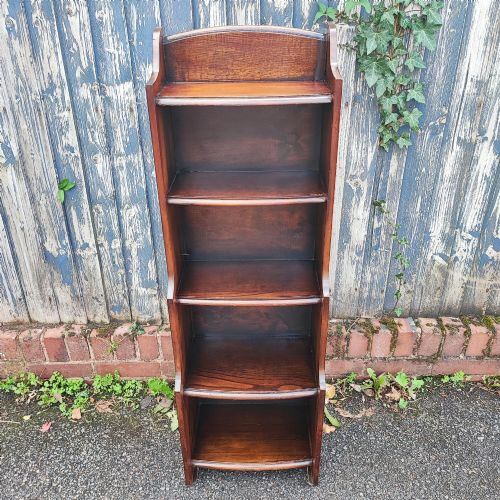
- Waterfall bookcase
- A tiered shelving unit where each lower shelf is slightly deeper than the one above it. The stepped profile resembles the cascading tiers of a waterfall.
Narrow Display Shelf: Frequently Asked Questions
Where should I place a narrow display shelf?
These slender units suit tight spaces, narrow hallways, and empty alcoves where standard furniture proves too bulky. Their compact footprints provide vertical storage without crowding the room.
Position them against plain walls to let the timber grain and decorative mouldings stand out without visual clutter.
Can these shelves hold heavy books?
Many sturdy oak and mahogany examples feature solid timber construction capable of supporting substantial book collections. Some listings even incorporate adjustable shelving to accommodate varying volumes.
Lighter etageres and rosewood whatnot stands are better suited for decorative objects, ceramics, and smaller paperbacks rather than heavy folios.
How do I identify an Edwardian piece?
Edwardian items often feature lighter timbers, subtle inlaid mahogany, and delicate carved edges reflecting Sheraton Revival tastes. They tend to be neat in scale with slender pillars.
By contrast, Victorian pieces generally display darker, heavier oak or mahogany with more robust mouldings and sometimes integrated lower cupboards.