





Mythological Desk Figures
Mythological desk figures bring classical deities and heroes into your study, offering solid bronze craftsmanship and centuries of sculptural tradition.
Mythological Desk Figures
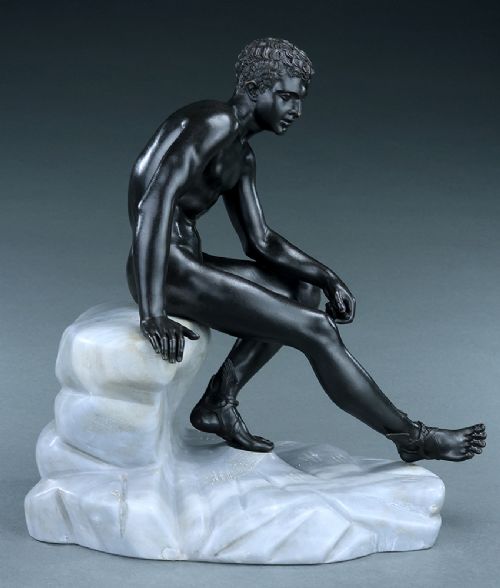
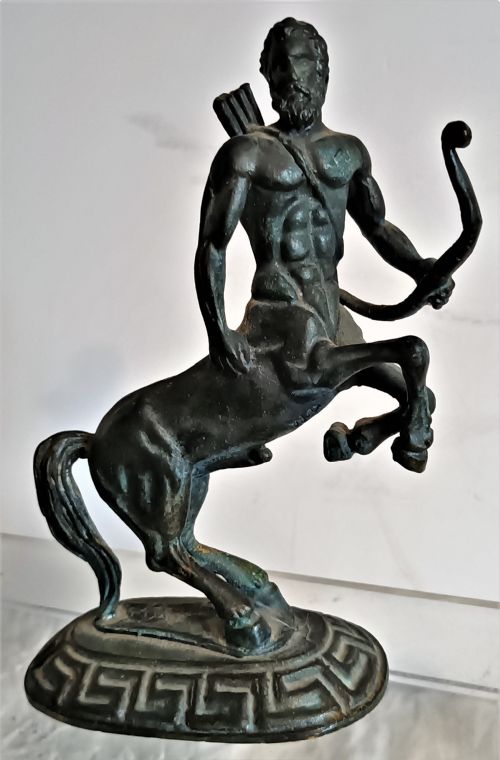
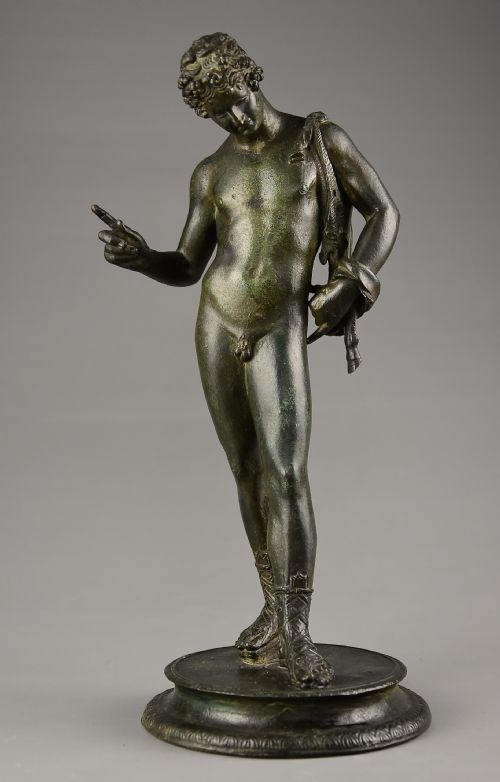
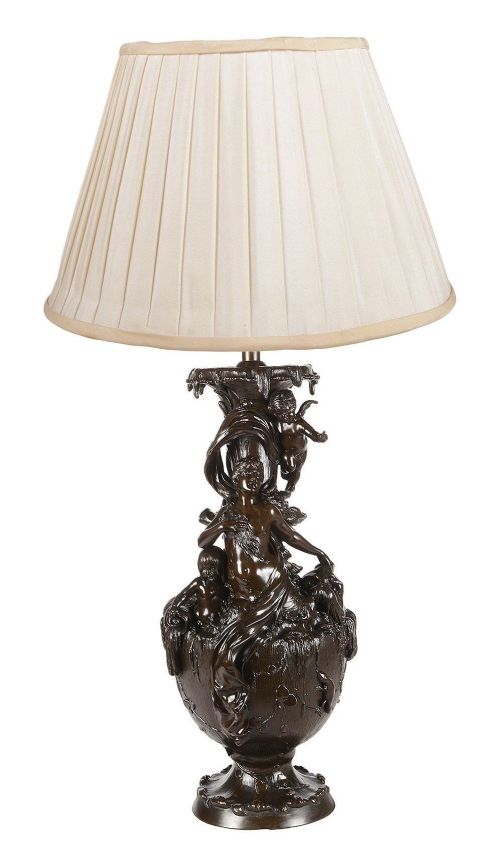
When you search for mythological desk figures, you are looking at small cabinet bronzes, lamps, and decorative sculptures depicting classical gods and heroes. These pieces draw heavily on ancient iconography, featuring subjects such as Hermes, Narcissus, Atlas, Perseus, Hercules, and Neptune. They serve both ornamental and functional roles on writing tables, often doubling as desk lamps or inkstand ornaments.
You are most likely to meet 19th-century Grand Tour souvenirs and Victorian Classical Revival pieces on this page. These works frequently combine cast bronze figures with marble bases, reflecting the nineteenth-century fascination with classical antiquity. Later examples extend into the early twentieth century, incorporating Art Deco styling and Mid-Century Scandinavian interpretations.
The assortment spans from the 18th century through to the mid-20th century, capturing various revivals including Mannerist, Neoclassical, and Victorian styles. Forms range from seated figures on rock bases to horned Viking blowers and mythological lamp conversions. Each object captures a specific narrative moment from classical or Norse mythology, rendered in miniature scale for domestic display.
Materials and construction methods
Makers utilised cast bronze, patinated bronze, and gilt bronze as the primary medium for these figures, ensuring durable and detailed sculptural results. Metalwork was frequently paired with marble bases, brass fittings, and occasional fabric elements on lamp components. This combination of heavy stone and cast metal provided the necessary stability for desk use.
Surface treatments define the visual character of the metal, employing dark green patination, rich patinated bronze finishes, and bright gilding. Casting methods allowed for intricate details in hair, drapery, and anatomical definition, whether cast after classical models or executed by named sculptors. The bases often integrated turned marble plinths to elevate the bronze composition.
Mythological Desk Figures Retail Price Guide 2026
Typical asking prices for mythological desk figures among the pieces listed under this phrase on Sellingantiques today, from the lower quarter to the upper quarter. They describe what is for sale here now, not the wider market.
Materials documented across the inventory include patinated bronze, gilt bronze, brass, and fabric components.
Assessing quality in cast figures
The distinction between ordinary and superior pieces rests on the crispness of the bronze casting and the depth of the chasing work. Finer examples retain sharp facial expressions, distinct fingernails, and cleanly articulated drapery folds without softening from worn moulds. The integration between the bronze figure and its marble plinth also indicates the level of workshop care.
Patination plays a significant role in visual success, with intentional dark green or warm brown tones applied to highlight muscular definition and surface texture. Superior works demonstrate thoughtful composition and balance, whether depicting a seated Hermes or a standing Perseus with the head of Medusa. The weight of the metal and the quality of the stone base complete the overall standard.
Edward Aagaard·Pierre Le Faguays·Aug. Moreau
The Mythological Desk Figures Glossary
- Grand Tour
- A traditional trip through Europe undertaken by upper-class young men in the 18th and 19th centuries to absorb classical art and culture. Figures purchased on these journeys often formed the basis of desk collections.
- Patination
- The surface coloration and chemical ageing applied to bronze or brass. Dark green or brown patination protects the metal while accentuating sculptural details.
- Neoclassical
- A style spanning the 18th and 19th centuries inspired by the art and culture of classical Greece and Rome. It emphasises symmetry, proportion, and heroic mythological subjects.
- Plinth
- The heavy base or block upon which a bronze figure stands. In desk bronzes, these are frequently made of grey, green, or white marble to anchor the sculpture.
Mythological Desk Figures: Frequently Asked Questions
What are mythological desk figures?
These pieces are small bronze sculptures and lamps depicting gods, heroes, and mythological narratives designed for display on writing desks and tables. They capture classical subjects in miniature form.
Originating largely from European workshops and Grand Tour travels, they combine sculptural art with functional desk accessories.
How were these bronzes used?
They served primarily as decorative ornaments to inspire contemplation and display classical learning in a study or library. Some examples were specifically adapted as lamps or integrated with inkstands.
Their substantial weight and compact size made them suitable for anchoring papers or illuminating a workspace.
How do I date a bronze figure?
Dating relies on stylistic clues, casting techniques, and the type of material used for the base. Nineteenth-century Grand Tour pieces often show specific patination styles and marble pairings.
Signatures or foundry marks can also point to active periods of specific artists and workshops.
Where should I place them?
These figures sit comfortably on wooden desks, bookshelves, or mantelpieces where their detailed metalwork can be appreciated up close. Pairing them with traditional library furniture enhances their aesthetic.
Ensure they are placed on stable surfaces away from excessive moisture to preserve the marble and bronze finishes.