


Murano Glass Lighting
Murano glass lighting brings vibrant Venetian warmth into a room through blown glass, crystal, and metal.
Murano Glass Lighting
When you search for murano glass lighting, you encounter pieces spanning the nineteenth century up through the nineteen-thirties, covering Victorian items and Mid-Century Italian styles. The selection ranges from grand multi-branch chandeliers down to table lamps and wall lights.
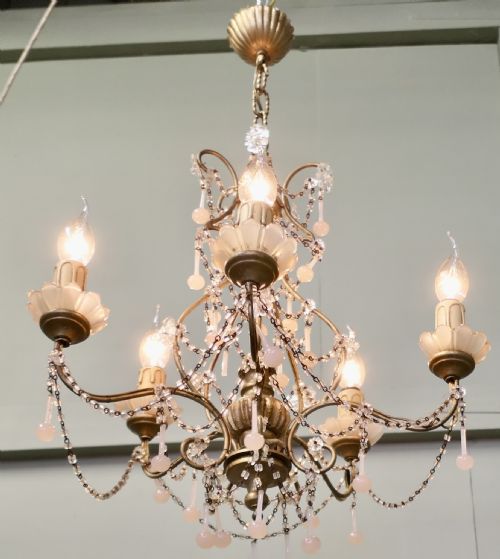
You are most likely to meet multi-branch chandeliers alongside smaller fruit lamps and wall lights. These incorporate materials such as brass, gilt metal, and alabaster alongside the glass elements.
How they were made
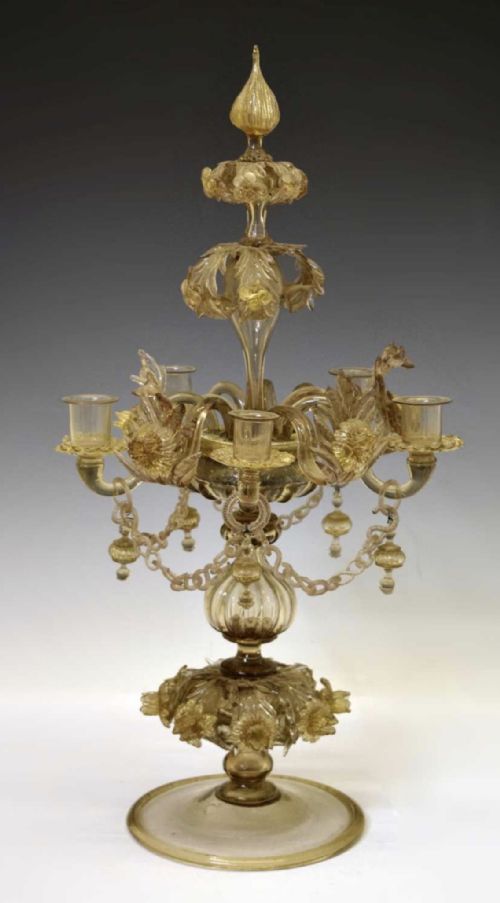
The construction relies heavily on blown glass and crystal, often shaped into fruit or floral forms and suspended from metal frames. Brass, gilt metal, and giltwood provide the structural support for these elaborate glass arrangements.
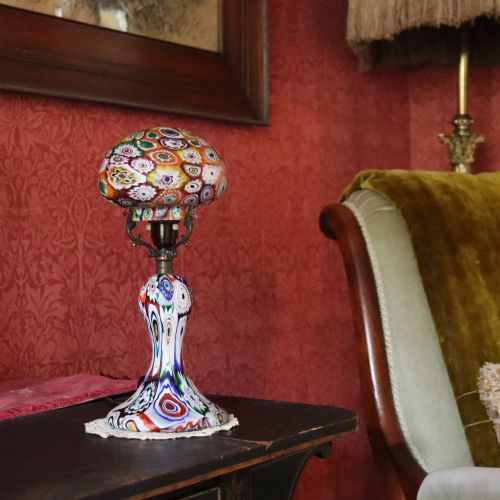
Specialised techniques include millefiori glasswork, where multicolored patterns are fused within the material. Metal components are cast and gilded to complement the colourful glass drops and branches.
Grape and fruit lamps bring botanical abundance indoors, proving that Venetian artisans loved a playful still life as much as a grand chandelier.
What varies in quality
Quality rests upon the intricacy of the glasswork and the harmony of the metal mounting. Pieces featuring complex millefiori patterns or carved giltwood elements demonstrate greater artistic ambition than simpler designs.
The weight and clarity of the crystal or blown glass distinguish finer examples. Structural integrity in the metal branches and urn bases further elevates a piece within its period.
Fratelli Toso
The Murano Glass Lighting Glossary
- Millefiori Glass
- A glasswork technique producing distinctive patterned mosaics using multicoloured rods. This method creates decorative floral effects within the body of the lamp.
- Campana Urn
- A bell-shaped vessel form often utilised as a heavy base for table lamps. These urns provide stability and classical proportion.
- Candelabra
- A branched decorative lighting fixture designed to hold multiple candles or electric fittings. These range from twin-arm wall lights to large floor-standing pieces.
- Giltwood
- Wood that has been treated with gold leaf or a gold-coloured finish. This material frequently frames or supports the glass elements in wall lights.
Murano Glass Lighting: Frequently Asked Questions
How do I date murano glass lighting?
Dating relies upon stylistic markers such as Victorian ornamentation, Art Deco geometry, or nineteenth-century Venetian forms. Materials like giltwood or specific metal alloys also offer clues to the decade of manufacture.
Examining the construction of the glass drops and the wiring channels helps confirm the era. Comparing the piece against documented examples from periods like nineteen-ten or nineteen-thirty narrows the timeframe further.
Where were these lights used originally?
Grand chandeliers hung in high-ceilinged salons and formal dining rooms across Italy and wider Europe. Smaller table lamps and wall lights served intimate parlours and bedrooms.
Their decorative fruit and floral motifs made them popular additions to eclectic domestic interiors. They provided both ambient illumination and striking daytime focal points.
How do I clean murano glass lighting?
Dusting with a soft, dry cloth prevents the accumulation of grime on delicate glass surfaces and metal mounts. Avoid harsh chemical cleaners that might strip gilding or damage blown glass elements.
For thorough cleaning, delicate removal of glass drops may be necessary to wash them individually in lukewarm water. Ensure every component dries completely before reassembly.
Are these lights compatible with modern wiring?
Many older fixtures require rewiring to meet contemporary electrical safety standards before installation. Professional electricians can safely adapt internal channels without harming the original frame.
Preserving original metalwork while updating internal flex ensures the piece functions reliably today. This approach maintains historical integrity while allowing daily use.