

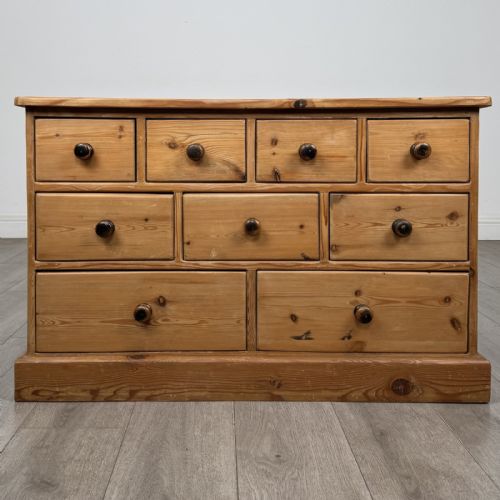
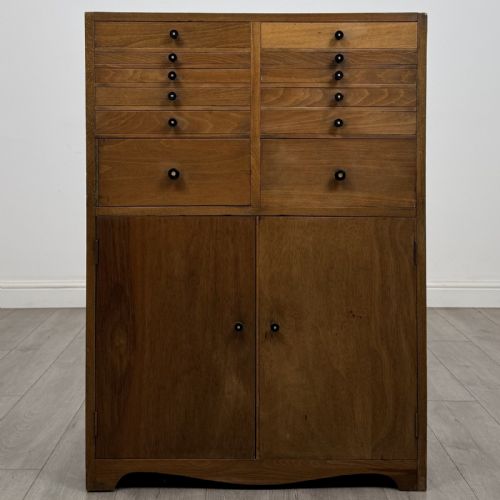
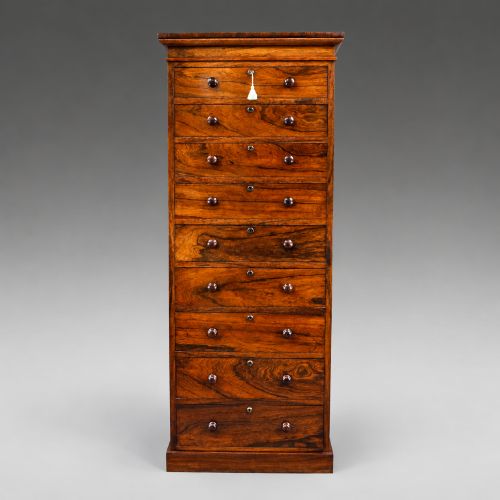
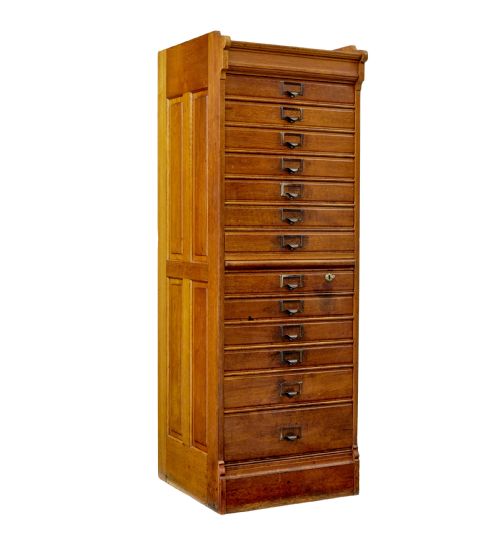




Multi Drawer Chest
A multi drawer chest organises the small and numerous, turning clutter into order with rows of compartments built for serious sorting.
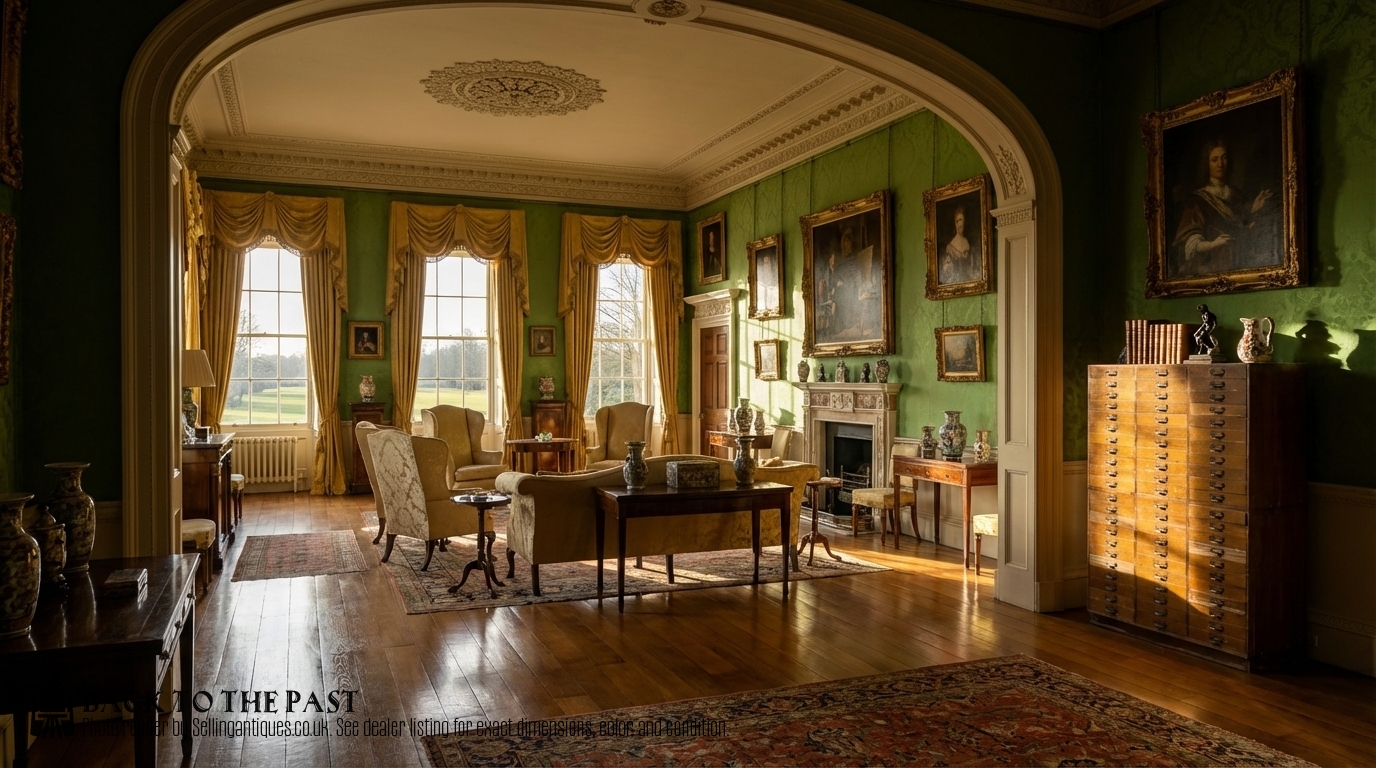
Multi Drawer Chest
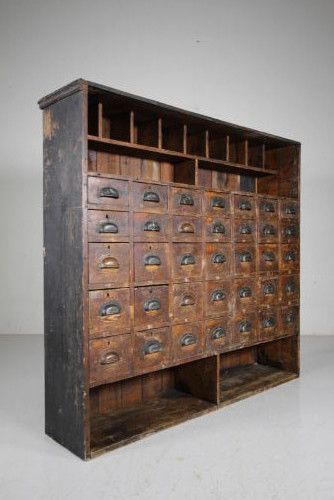
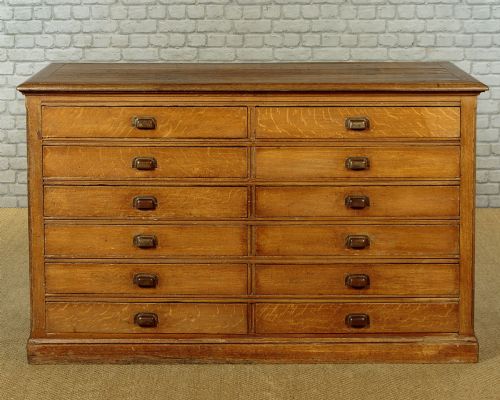
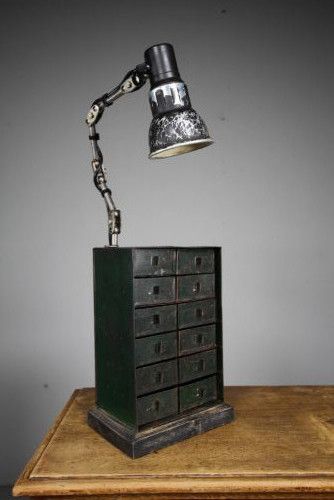
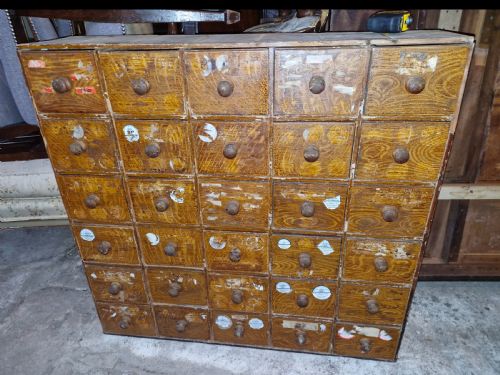
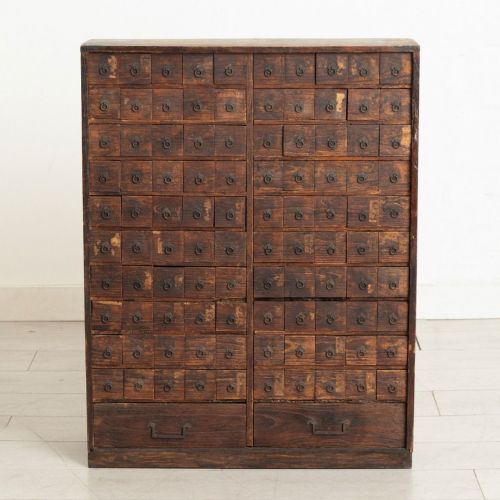
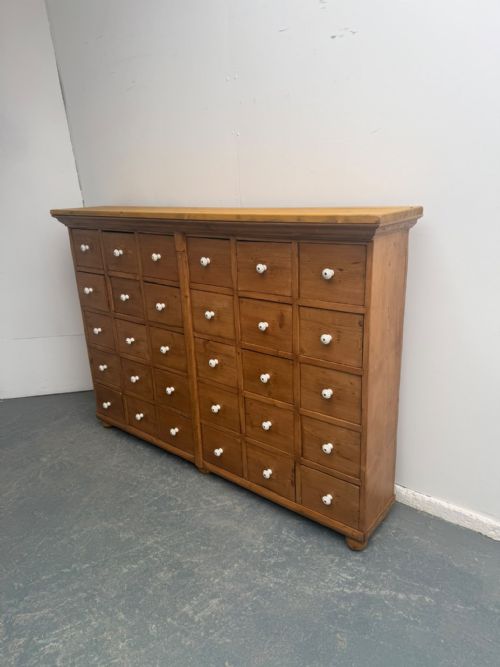
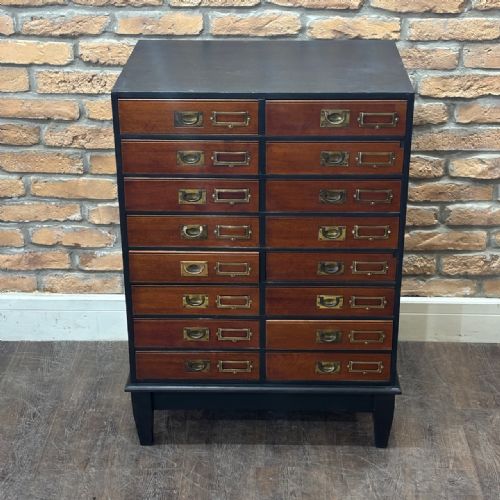
A multi drawer chest brings together banks of small compartments designed for practical storage, sorting, and display. When you search for this phrase, you meet forms ranging from apothecary and collectors' cabinets to filing cabinets and shop fittings.
The pieces on this page span the nineteenth century through the early twentieth century, taking in Victorian and Edwardian domestic items alongside industrial and provincial pieces. Oak, pine, and mahogany predominate, often fitted with numerous small drawers built for specific trades or collections.
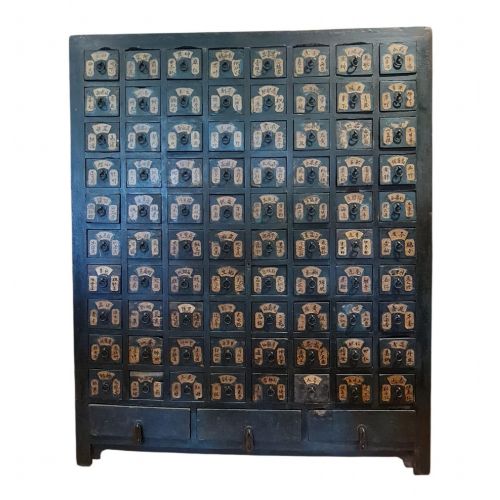
Origins vary widely, taking in English workshops, French industrial spaces, Hungarian shop interiors, and Chinese provincial cabinets. Each version reflects the specific organisational needs of its original maker, whether storing medicine, letters, or specimens.
What Varies in Quality
The distinction between ordinary utility furniture and finer pieces lies in the choice of timber and the precision of the joinery. Solid mahogany or walnut cabinets with numerous smoothly running drawers represent a higher grade of craftsmanship than utilitarian pine workshop fittings.
Original hardware, maker's stamps, and surviving labels elevate a piece from a generic storage unit to a documented artefact. Cabinets retaining their original painted finishes or specific trade provenance demonstrate greater integrity than those altered over time.
Multi Drawer Chest Retail Price Guide 2026
Typical asking prices for multi drawer chest among the pieces listed under this phrase on Sellingantiques today, from the lower quarter to the upper quarter. They describe what is for sale here now, not the wider market.
Listings include timber varieties such as mahogany, oak, walnut, pine, teak, and elm across pieces spanning the nineteenth and early twentieth centuries.
Luxmore's of Ilfracombe·Amberg·Shannon
The Multi Drawer Chest Glossary
- Apothecary chest
- A multi-drawer cabinet originally used in pharmacies or traditional medicine shops for storing herbs, minerals, and dried ingredients. These often feature dozens of small, narrow drawers.
- Collectors cabinet
- A specialist piece built to house natural history specimens, coins, or geological samples. They frequently utilise dense hardwoods and shallow drawers lined for protection.
- Shop fitting
- Furniture built specifically for retail environments, including counter bases and haberdashery units designed to hold stock out of sight yet close to hand. These pieces often show robust industrial construction.
- Deal
- A softwood timber, typically pine or fir, commonly used for the internal framing and drawer carcases of nineteenth-century furniture. It provides a stable and lightweight structure.
- Filing cabinet
- An office furniture form developed to organise correspondence and documents systematically. Early examples often incorporate patent locking mechanisms and dedicated index drawers.
Multi Drawer Chest: Frequently Asked Questions
What were multi drawer chests originally used for?
These chests served commercial, scientific, and domestic purposes where sorting many small items was essential. Tradespeople, apothecaries, and collectors relied on them to keep inventory organised and accessible.
Files, seeds, specimens, and medicines all found dedicated homes in these compartmented banks. The design directly reflects the filing and storage needs of the nineteenth and early twentieth centuries.
How do I date a multi drawer chest?
Dating relies on observing timber choices, construction methods, and hardware styles across the piece. Mahogany and walnut often point to earlier nineteenth-century examples or higher-status furniture.
Patent stamps, maker's plates, and specific industrial designs help narrow down production to the Edwardian period or the early decades of the twentieth century. Secondary woods like deal and pine appear consistently across Victorian workshop and provincial pieces.
Are these chests suitable for modern homes?
Their numerous compartments make them exceptionally practical for contemporary organisation, from office supplies to jewellery and kitchen utensils. Their compact footprints allow them to fit into hallways, studies, and living spaces.
Living with these pieces involves appreciating their working heritage and robust construction. They provide characterful storage solutions that stand out against modern flat-pack alternatives.