





Mounted Textile Wall Art
Mounted textile wall art brings historic fabrics, tapestries, and embroideries into modern interiors as striking focal points.
Mounted Textile Wall Art
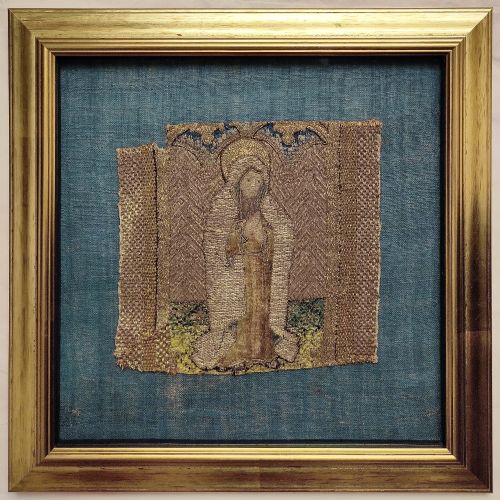
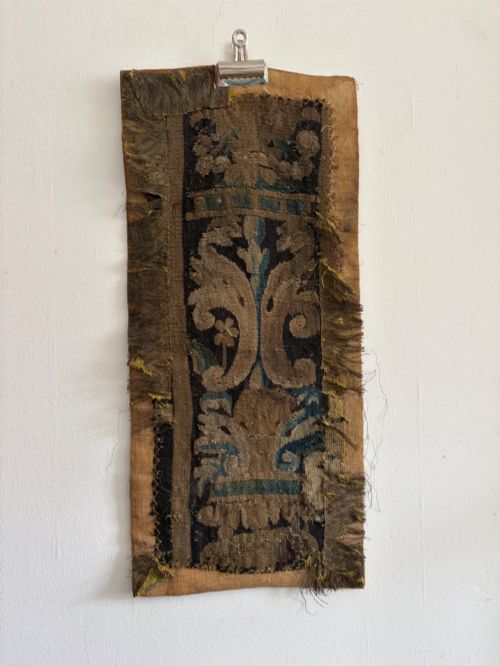
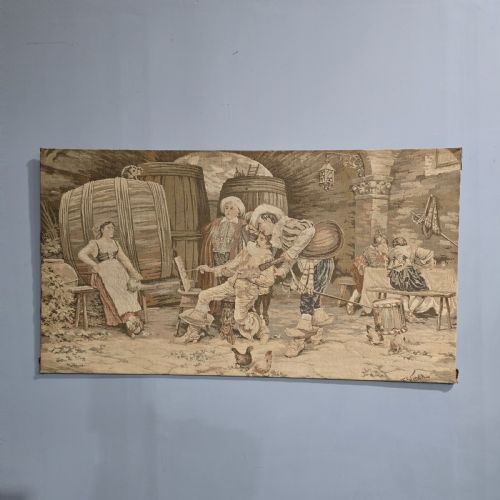
Mounted textile wall art comprises historic fragments, panels, and fragments secured to backing supports or framed for display. When you search for mounted textile wall art, you encounter diverse textile traditions spanning centuries of needlework and weaving. The selections here include everything from seventeenth-century Flemish tapestries and verdure fragments to nineteenth-century silk jajim and Nurata suzani embroideries.
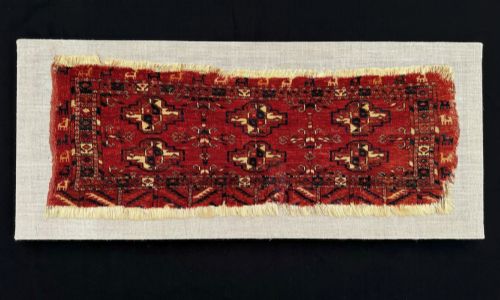
Many examples originate from tribal or regional traditions, such as Turkmen mafrash fragments and Heriz bag faces. Other pieces showcase European needlework, including framed lace and mother of pearl fans alongside silk embroidery picture panels. Each item transforms utilitarian or fragmentary fabrics into accessible wall hangings.
How they were made
The materials recorded in these pieces rely heavily on natural fibres such as silk, wool, linen, and cotton. Makers worked these textiles through diverse methods, including tapestry weaving, needlework embroidery, and flatweave construction. Structural support often involved wood frames or linen backings to secure fragile antique fragments for display.
Certain items incorporate decorative media beyond textiles, utilising wood, glass, and mother of pearl within framed presentations. Tribal pieces employ traditional hand-knotted or flatwoven techniques specific to their regions of origin, while European examples favour fine needlepoint and embroidery stitches.
Mounted Textile Wall Art Retail Price Guide 2026
Typical asking prices for mounted textile wall art among the pieces listed under this phrase on Sellingantiques today, from the lower quarter to the upper quarter. They describe what is for sale here now, not the wider market.
Listings here feature textiles incorporating silk, wool, linen, wood, glass, and mother of pearl across multiple centuries.
What varies in quality
Quality in these textile works rests upon the preservation of the original fibres and the integrity of the mounting technique. Superior examples maintain vibrant natural dyes and stable structural fabrics, whether dealing with seventeenth-century wool tapestries or nineteenth-century silk embroideries. The precision of the initial needlework or weave also defines the upper tier of the range.
The appropriateness of the mounting method significantly influences the visual success of the piece. Conservation-grade attachment to linen or secure framing protects fragile historic materials from further degradation while presenting the textile clearly. Pieces that retain their full design context without excessive loss to the edges command greater appreciation.
The Mounted Textile Wall Art Glossary
- Verdure tapestry
- A European tapestry style depicting lush landscapes, foliage, and trees, often featuring animals or architectural elements in the background.
- Suzani
- A type of embroidered tribal textile originating from Central Asia, traditionally made by brides as part of their dowry using silk threads on a cotton ground.
- Jajim
- A tightly woven flatweave textile produced in strips and traditionally used as bedding or covers, characterised by colourful geometric stripes.
- Mafrash
- A Turkmen storage bag or panel from which nomadic fragments are frequently salvaged, known for distinctive tribal designs and wool construction.
- Bag face
- The decorative front portion of a woven tribal storage sack, preserved as a flat panel for display.
Mounted Textile Wall Art: Frequently Asked Questions
How do I hang heavy textile art safely?
Ensure the wooden frame or linen backing board has appropriate picture wire or D-rings secured to the structural elements. Distribute the weight evenly across wall anchors suited to your wall type.
Avoid hanging textiles in areas prone to dampness or direct sunlight, which can degrade wool, silk, and cotton over time.
What periods do these textiles cover?
The pieces span from the seventeenth century through to the early twentieth century, encompassing various Georgian and Victorian stylistic influences. You will find seventeenth-century Flemish works alongside nineteenth-century Central Asian embroideries.
Each period utilises distinct dye methods, materials, and regional motifs that help determine its era.
How do I identify tribal textile fragments?
Tribal fragments often display geometric motifs, specific wool qualities, and regional colour palettes associated with nomadic groups such as the Teke or Heriz weavers. Examination of the knotting, weave structure, and border designs reveals their origin.
Consulting reference materials on Central Asian or Persian tribal weaving helps attribute specific fragments correctly.