




Mounted Horn Curiosities
These mounted horn curiosities bring the raw texture of Victorian and Edwardian natural history straight into a room.
Mounted Horn Curiosities
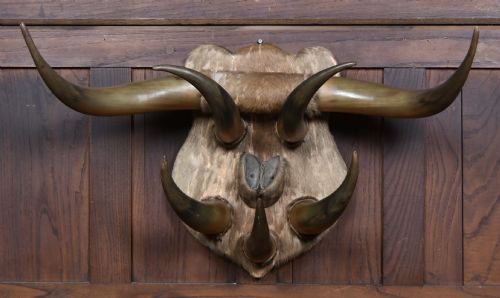
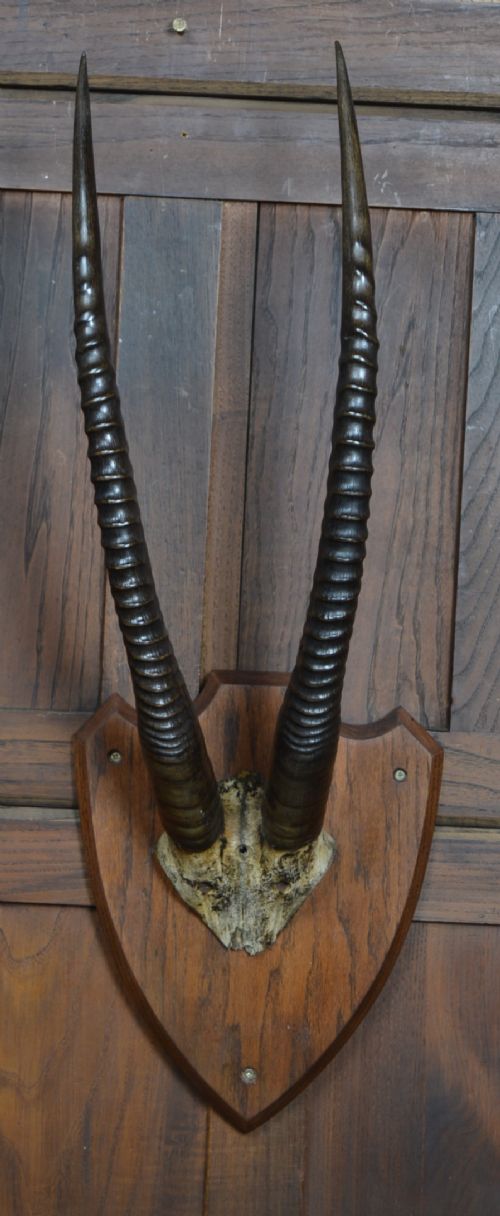
Mounted horn curiosities encompass taxidermy mounts, horned arrangements, and animal skull displays stemming from the Victorian and Edwardian eras. These objects range from heavy cattle and buffalo horns to delicate springbok and oryx mounts.
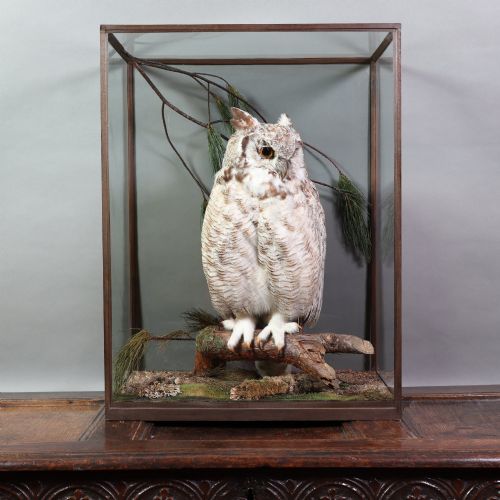
Most pieces seen here reflect Highland hunting lodge aesthetics or Victorian natural history displays, often utilising horn, bone, wood, and hide. Alongside natural horn arrangements, one encounters mounted birds, skull sculptures on stands, and smoking accessories.
The assortment includes domestic pieces like table gongs alongside more exotic specimens from Qing Dynasty or international origins. Collectors seeking mounted horn curiosities generally find items fashioned into functional objects or preserved simply as sculptural forms.
How they were made
Makers shaped these curiosities by combining natural horn, bone, and hide with fitted metal hardware and wooden bases or stands. Horn and bone were polished or carved, while taxidermy specimens required precise mounting techniques over internal armatures.
Wood and metal provided structural support for heavy horns, as seen in table gongs and multi-horn arrangements. Glass occasionally enclosed delicate natural history elements, while feathers and moss completed taxidermy habitat settings.
A ram's scull sculpture stands ready to judge your interior choices with unwavering, curled dignity.
What varies in quality
Quality rests upon the proportion and symmetry of the natural horn, alongside the anatomical precision of the taxidermy work. Master taxidermists like Rowland Ward set a high standard through lifelike posture and meticulous preservation of hide and plumage.
The integrity of the supporting wooden stands and metal fittings distinguishes superior examples from simpler pieces. Patina on the horn and the careful integration of auxiliary materials like bone and glass dictate the overall visual weight of an object.
Rowland Ward Ltd
The Mounted Horn Curiosities Glossary
- Taxidermy mount
- The art of preserving and displaying an animal's skin and horns to mimic its living form. These mounts often incorporate wooden backboards or sculptural bases.
- Table gong
- A percussion instrument featuring a suspended metal gong struck with a mallet, frequently mounted on horns. These pieces served a domestic function in period dining rooms.
- Highland hunting lodge style
- An aesthetic characterised by heavy use of antlers, horns, oak, and tartan, popularised during the nineteenth century. It celebrates rural field sports and game preservation.
- Cabinet of curiosities
- A room or piece of furniture dedicated to housing a collection of natural history specimens and artefacts. These collections formed the intellectual precursors to modern museums.
- Qing Dynasty
- The last imperial dynasty of China, spanning from the seventeenth to the early twentieth century. Items from this period reflect distinct craftsmanship and material handling.
Mounted Horn Curiosities: Frequently Asked Questions
How were horn table gongs used?
Table gongs combined animal horns with suspended metal discs to create functional call bells for domestic households. Placed on sideboards, they were struck with small mallets to summon servants.
These objects bridged practical household accessories and the era's appetite for natural history display. The horn base provided a stable, decorative mount for the resonating metal.
How do I date a horn mount?
Dating relies on examining the mounting techniques, wood species used for bases, and accompanying hardware. Nineteenth-century pieces typically show hand-turned wooden components and specific taxidermy methods.
Later Edwardian and nineteen-twenties examples often introduce different mounting brackets and finish treatments. Comparing the style against documented periods helps narrow down the origin.
Where should I display these pieces?
These items suit studies, libraries, and living spaces where natural textures complement traditional or eclectic interiors. Wall-mounted horns require secure fixings into structural walls due to their weight.
Desk or table pieces need stable surfaces away from direct sunlight and excessive humidity to preserve the horn and hide. Proper placement ensures the organic materials remain stable over time.