

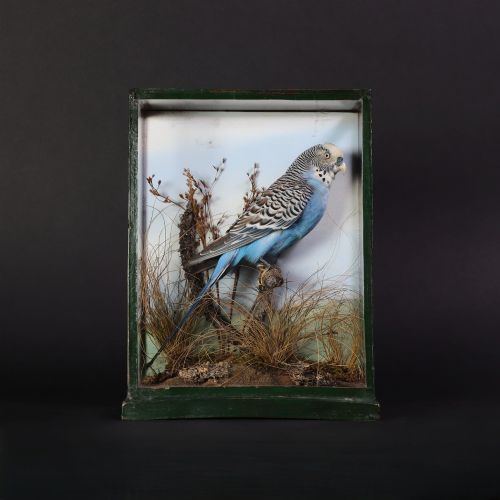

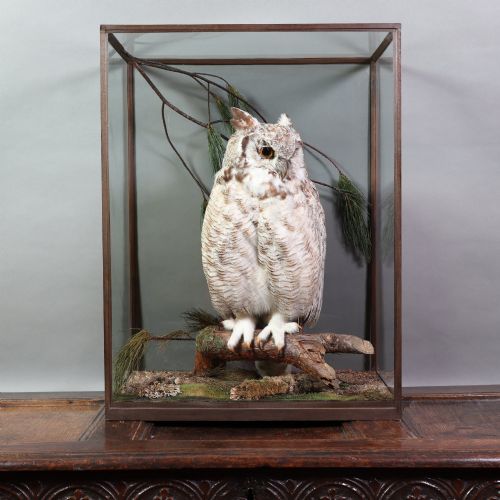
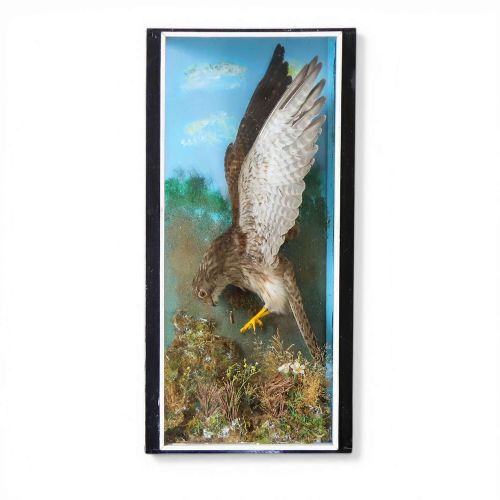
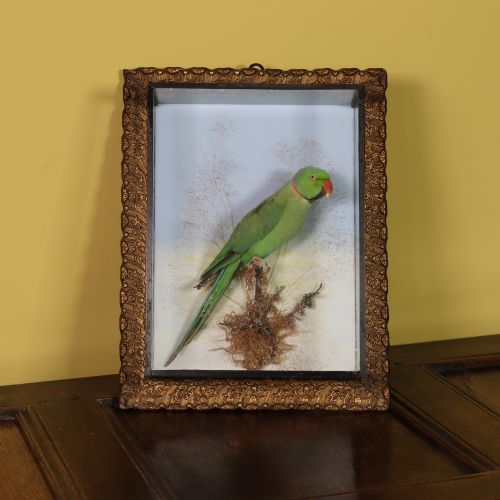




Mounted Bird Specimen
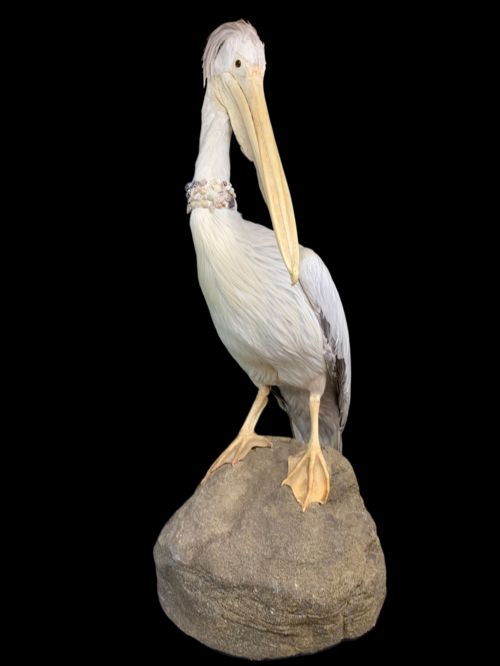
A mounted bird specimen brings Victorian natural history straight into a room, offering preserved plumage inside glass domes and painted wooden cases.
Mounted Bird Specimen
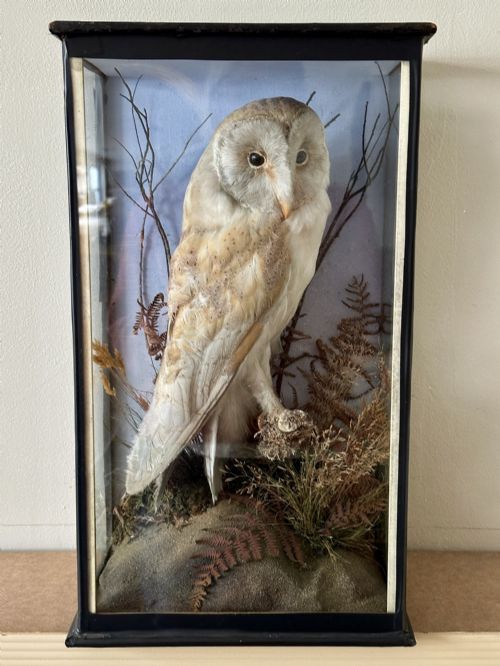
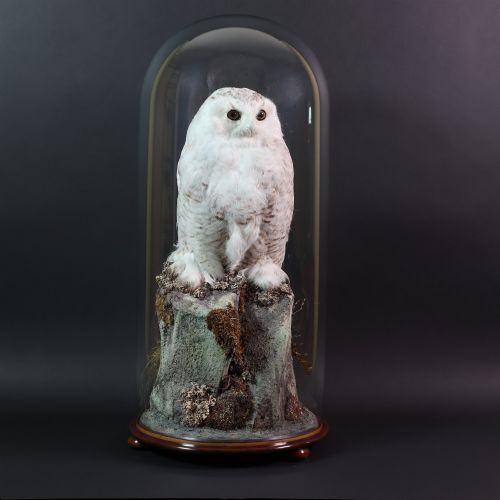
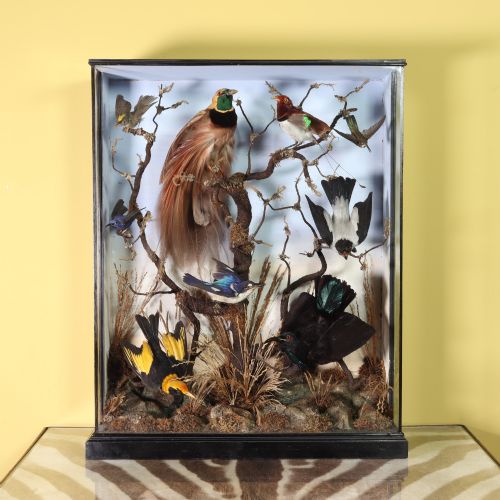
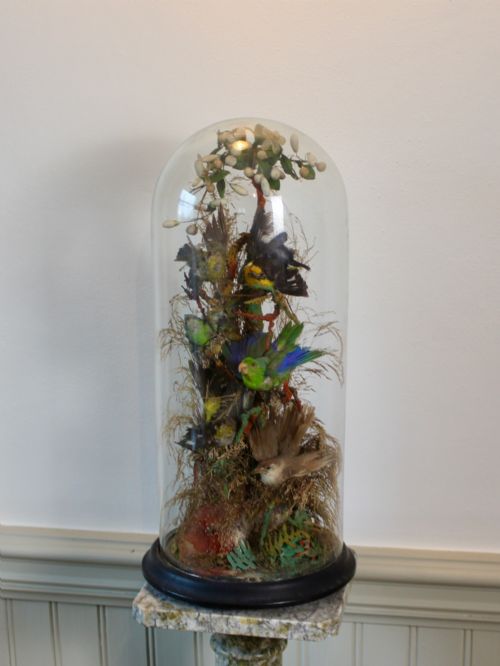
A mounted bird specimen captures nineteenth and early twentieth century natural history, appearing most often as single birds or mixed compositions housed inside glass domes or timber display cases.
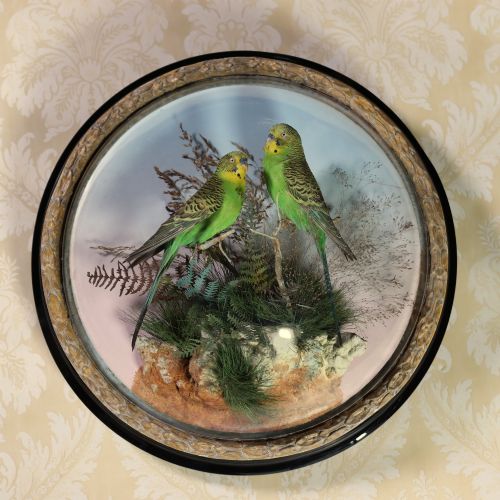
Buyers encounter Victorian and Edwardian examples ranging from single owls, jays and kingfishers to complex dioramas containing exotic birds from distant regions or local fowl.
These pieces function as curiosity cabinet decoration, preserving plumage and posture through traditional taxidermy methods developed across the nineteenth century.
How they were made
Taxidermists constructed these pieces using preserved specimens mounted over wire and artificial bodies, arranging feathers to mimic life within glass domes and painted wooden cases.
Internal settings often incorporate preserved moss, paper backgrounds and painted wooden groundwork to simulate the natural habitat of each bird.
Mounted Bird Specimen Retail Price Guide 2026
Typical asking prices for mounted bird specimen among the pieces listed under this phrase on Sellingantiques today, from the lower quarter to the upper quarter. They describe what is for sale here now, not the wider market.
Some nineteenth-century compositions bring together birds from New Guinea, South America, and Australia inside a single parlour case.
What varies in quality
Quality rests upon the naturalism of the taxidermy mount and the complexity of the composition, distinguishing simple single-bird specimens from elaborate multi-species dioramas.
The construction of the housing matters greatly, separating plain oak or painted cases from large glass domes supported by turned wooden bases.
J Griffiths of Burford·Rowland Ward Ltd·William Bazeley & Sons·A Pollard·James Gardner·W.F. Homer London
The Mounted Bird Specimen Glossary
- Taxidermy
- The art of preparing, stuffing, and mounting the skins of animals for display. Victorian practitioners elevated this craft into elaborate interior decoration.
- Diorama
- A three-dimensional scene depicting wildlife within a constructed habitat. These cases frequently include painted backgrounds and natural flora such as moss.
- Dome
- A bell-shaped glass cover set over a wooden base to protect delicate specimens from dust. They were widely utilised during the Victorian era for displaying birds.
- Display case
- A glazed wooden enclosure built to house mounted specimens securely on walls or tabletops. Oak and painted timber frames are typical of the period.
Mounted Bird Specimen: Frequently Asked Questions
How do I clean the glass?
Use a soft microfibre cloth and a gentle glass cleaner applied to the cloth rather than directly onto the glass surface. This prevents moisture from seeping inside the antique case or dome.
Take care around old wooden joints and painted frames while wiping, as historic adhesives and finishes can be sensitive to liquid.
Where should I place a case?
Position your display away from direct sunlight to protect delicate feathers from fading over time. Stable room temperatures prevent the old wood and glass seals from expanding.
Keep pieces out of damp areas to protect the preserved specimens and internal moss from moisture damage.
How do I date a specimen?
Examine the construction of the wooden case, the style of the glass, and any maker labels affixed to the back or base. Victorian examples often feature heavy timber frames and hand-written provenance tags.
Compare the species and taxidermy style against documented periods from the nineteenth and early twentieth centuries.
Can I hang a wall case?
Check the structural integrity of the original hanging brackets on the back of the timber frame before mounting it. Many Victorian wall cases require professional fixings to support their weight safely.
Ensure the internal specimens are securely anchored inside the case so they do not shift when the frame is moved.