


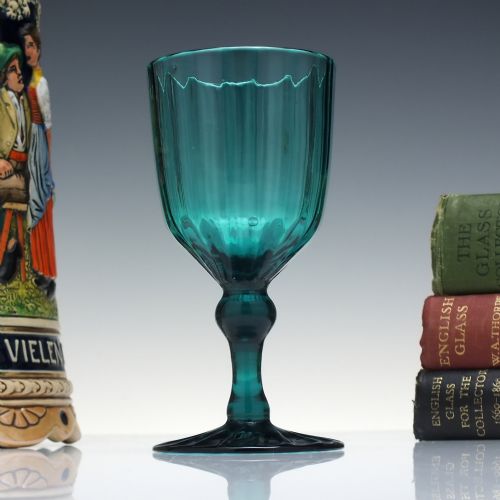


Moulded Glass Goblet
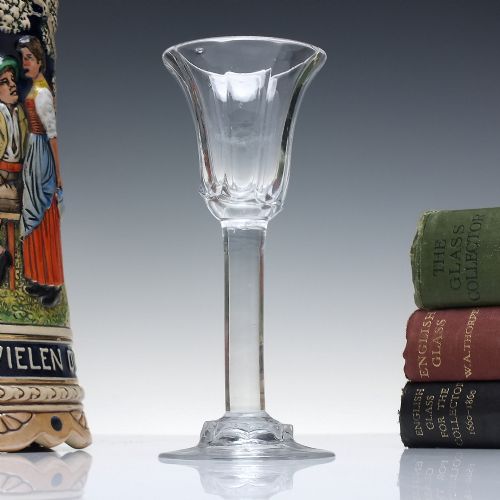
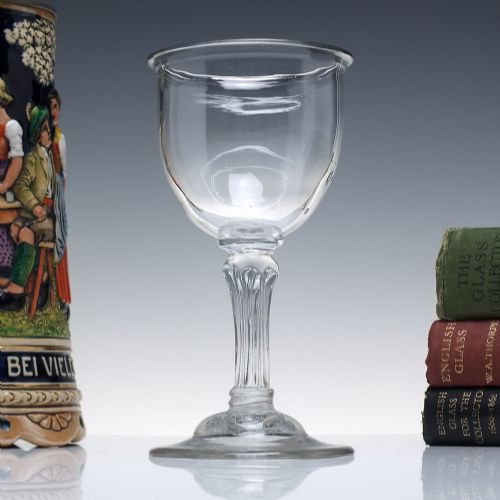
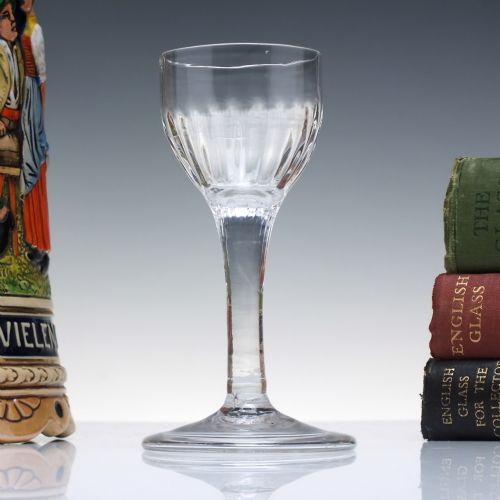
These moulded glass goblet examples are 18th-century drinking vessels shaped in metal or wooden moulds, offering tactile ribbing and optical patterns that catch the candle flame.
Moulded Glass Goblet
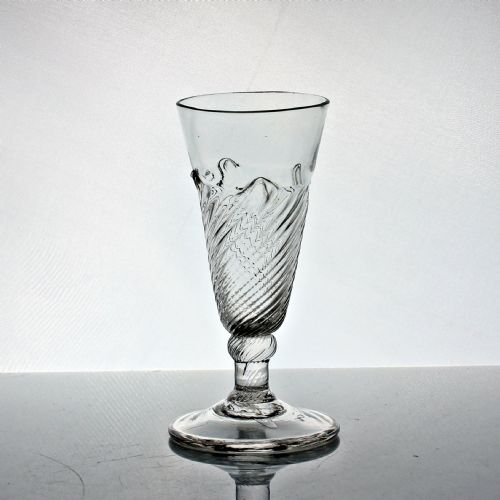
A moulded glass goblet search brings up heavy Georgian drinking vessels produced across the 18th century, spanning styles from Baroque to the simpler forms of 1750. These pieces include wine glasses, champagne glasses, and dwarf ale glasses featuring distinct pattern work.
The most common examples on this page are lead glass and clear glass wine glasses shaped with petal, rib, nut, honeycomb, or flute moulding. Many exhibit plain stems, pedestal stems, or double series opaque twists supporting their moulded bowls.
Origins include domestic English production alongside continental workshops such as Liege, showing how glasshouses shared techniques across borders. Collectors encounter variations in colour, from clear metal to turquoise green and deeper green hues.
Materials and manufacture
Hot metal was pressed or blown into a dip-mould to impart external patterns like vertical ribs, honeycomb cells, or inverted petals before the vessel was expanded and finished by hand. This technique combined the speed of moulding with the skill of traditional blowing.
The glass itself relies on lead glass, lead crystal, or soda glass formulations, sometimes enhanced with enamel or coloured additives to create distinct green and turquoise tones. Folded feet and applied details were added while the metal remained malleable on the pontil.
Moulded Glass Goblet Retail Price Guide 2026
Typical asking prices for moulded glass goblet among the pieces listed under this phrase on Sellingantiques today, from the lower quarter to the upper quarter. They describe what is for sale here now, not the wider market.
Some Georgian drinkers enjoyed ale from vessels so short they earned the charming title of dwarf ale glasses.
Judging quality and character
Quality rests in the crispness of the moulding against the optical clarity of the metal, where sharp, well-defined ribs or honeycomb cells elevate a piece above softer, blurred impressions. The weight and balance of the stem relative to the moulded bowl dictate the tactile success of the vessel.
Colour saturation and the presence of additional decorative layers, such as fine engraving over nut-moulded bowls or sophisticated twist stems, separate standard drinking vessels from the more ambitious specimens of the period.
The Moulded Glass Goblet Glossary
- Moulded glass
- Glass formed by blowing or pressing hot metal into a patterned dip-mould. This process leaves decorative relief patterns on the exterior surface.
- Plain stem
- A straight, unadorned glass stem supporting the bowl. It forms a clean architectural contrast to patterned or moulded bowls.
- Folded foot
- A glass foot edge rolled under to create a thickened rim. This technique adds stability and strength to the base of the vessel.
- Opaque twist
- A stem formed with internal white or coloured enamel threads twisted into a spiral column. It represents a significant technical advancement in Georgian glassmaking.
Moulded Glass Goblet: Frequently Asked Questions
What is a moulded glass goblet?
A moulded glass goblet is an 18th-century drinking vessel shaped using a pattern mould to create textural exterior designs.
These pieces range from plain-stemmed wine glasses to dwarf ale glasses, all reflecting Georgian manufacturing methods.
How do I date these glasses?
Dating relies on stylistic clues such as stem construction, bowl shape, and the presence of folded feet typical of the 18th century.
Formations like heavy lead glass and specific moulding styles help narrow the decade of production around seventeen-fifty.
Are all these glasses English?
While many originate in England, continental production centres such as Liege contributed significant pieces to the market.
Continental examples often feature distinct honeycomb or rib moulding that mirrors British domestic output.
How were these glasses used?
These vessels served for consuming wine, ale, and champagne during Georgian dining and social gatherings.
Their substantial weight and tactile moulded surfaces made them practical as well as decorative items on the table.