


Moulded Art Glass
Moulded art glass brings tactile depth to interiors through sculptural forms shaped by heat and metal dies during the early twentieth century.
Moulded Art Glass
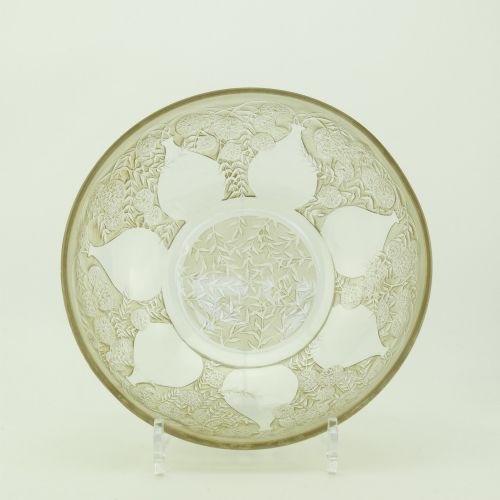
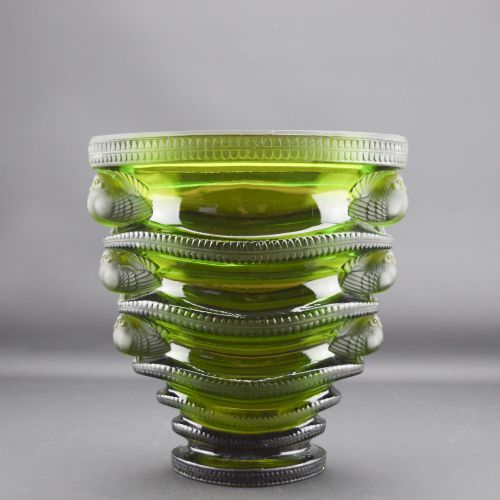
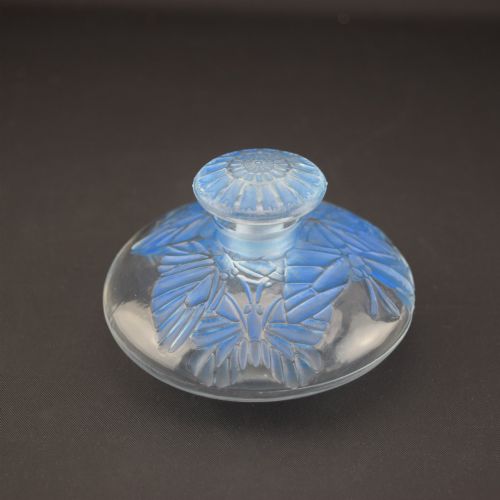
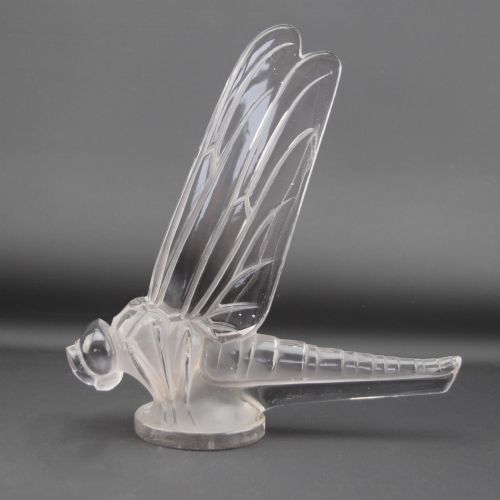
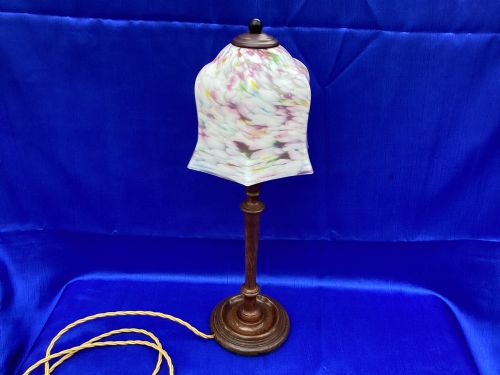
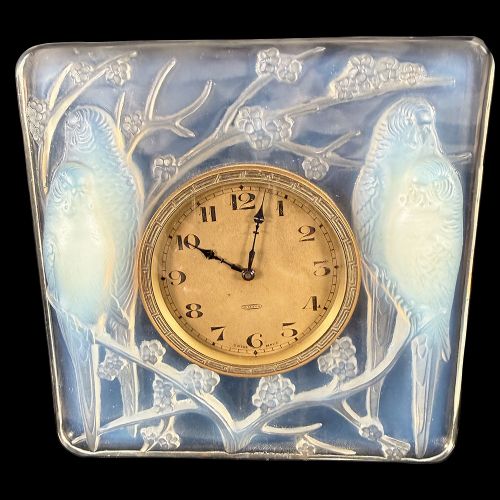
Moulded art glass covers sculptural vessels, car mascots, wall lights, clocks, and dressing table items produced across the Edwardian era and the interwar decades. Buyers searching for moulded art glass most frequently encounter vases, bowls, and decorative plates created during the Art Deco and Art Nouveau movements.
The selection ranges from functional vessels and perfume bottles to ornamental figurines and lighting fixtures. Pieces hail predominantly from French workshops operating through the 1910s, 1920s, and 1930s, utilising specialised pressing techniques to achieve defined low relief decoration.
Production Methods and Materials
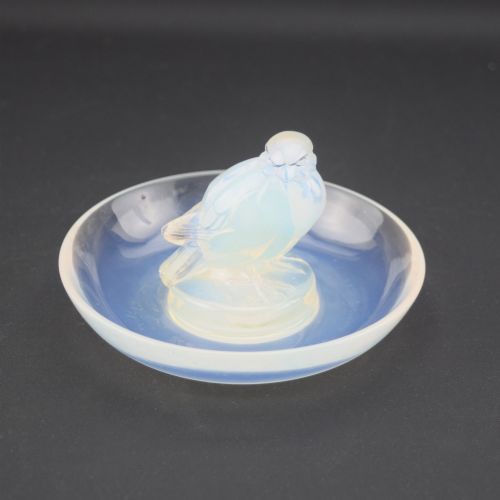
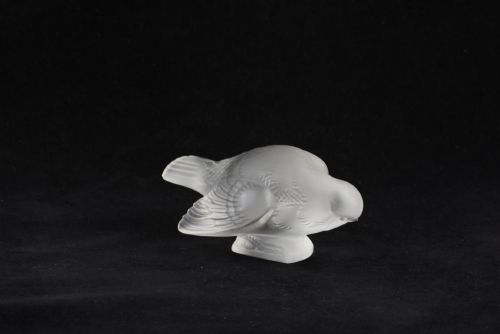
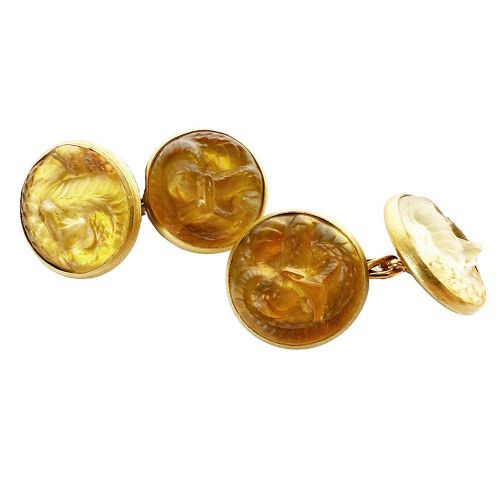
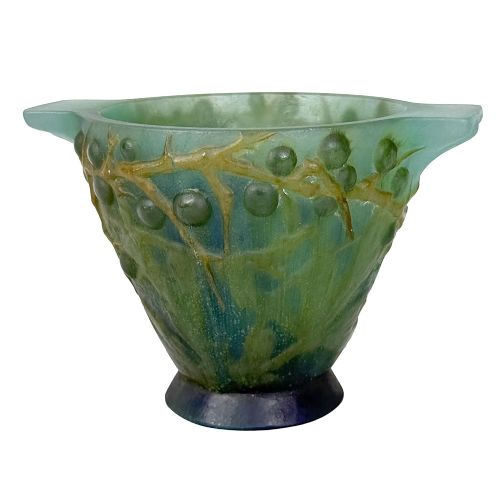
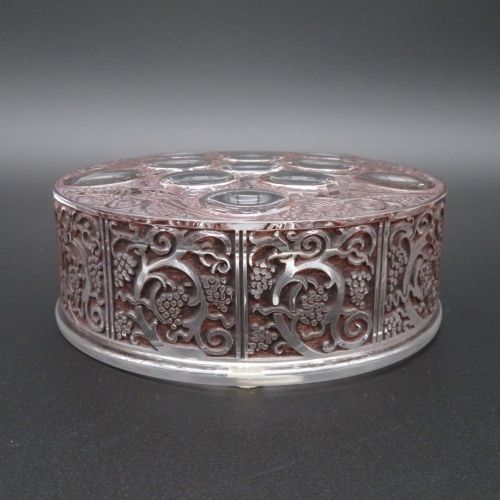
Makers utilised clear, frosted, opalescent, and pate de verre glass, often combining finishes within a single object to contrast transparency with milkiness or colour. Molten material was pressed into metal or carved moulds using mechanical force or hand manipulation.
Mould seams were frequently polished down, though makers sometimes left deliberate textures or applied stains to accentuate the raised motifs. Chrome or silver mountings occasionally completed items such as lamps, clocks, and cigarette holders.
Judging Quality
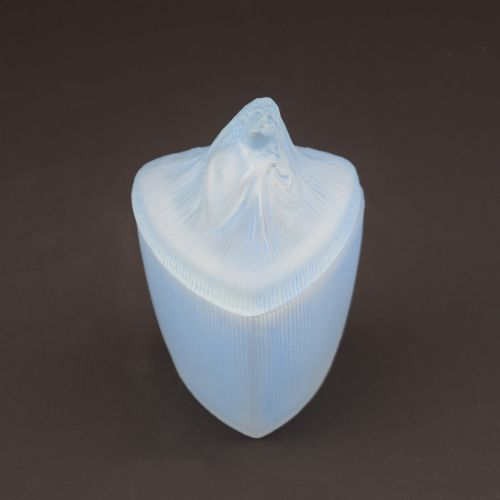
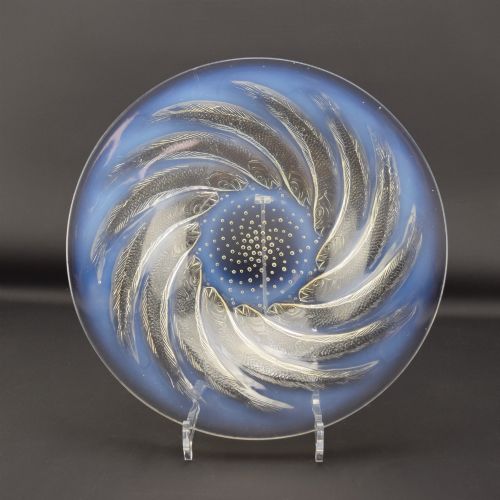
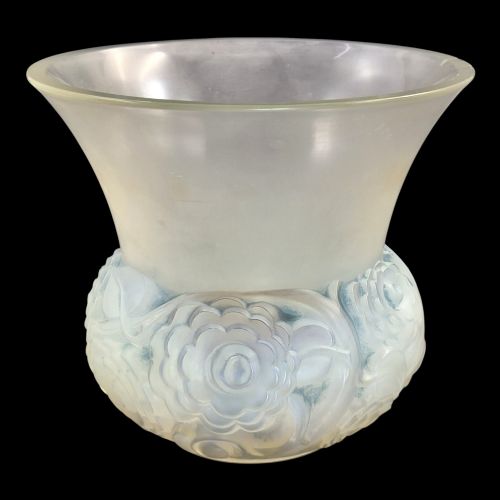
Quality rests upon the crispness of the relief work and the subtlety of the opalescent effect within the glass body. Superior examples display sharp contours and intentional light diffusion across the moulded surface rather than softened details.
The sophistication of the design and the harmony between the glass body and any metal or painted components distinguish finer studio output from standard commercial production.
Rene Lalique·Amalric Walter·G Vallon·Etling
The Moulded Art Glass Glossary
- Opalescent glass
- Glass that diffuses light to display a milky blue or amber glow, typically appearing milky when viewed by transmitted light and warm orange by reflected light. This optical property defines many interwar decorative vessels.
- Pate de verre
- A glasscasting method where finely crushed glass is mixed with a binder and fired in a kiln until fused. The technique creates dense objects with granular textures and mottled colour.
- Frosted glass
- Glass treated by acid-etching or sandblasting to produce a textured, matte surface. It was widely utilised on twentieth-century lighting and sculptural reliefs to soften illumination.
- Car mascot
- An ornamental hood ornament mounted on motor vehicles during the early twentieth century. Makers produced these in durable moulded glass and crystal for luxury automobiles.
- Moulded glass
- Glass formed by pressing molten material into an open or closed die to impart a pattern. This method allowed for consistent production of three-dimensional decorative motifs.
Moulded Art Glass: Frequently Asked Questions
What periods do these pieces come from?
The pieces span the Edwardian era, 1900, 1910, 1920, and 1930.
Production clustered heavily around the interwar Art Deco period alongside earlier Art Nouveau creations.
How were these glass items used originally?
Objects served diverse domestic and functional roles, from serving bowls and perfume bottles to desk accessories and automotive mascots.
Lighting fixtures and clocks also integrated moulded glass into everyday household decoration.
How should I clean moulded art glass?
Wash pieces gently in lukewarm water using mild soap and a soft cloth to protect delicate frosted or stained surfaces.
Avoid abrasive scrubbers and harsh chemical cleaners that can damage the glass texture or remove applied patination.
How do I identify opalescent glass?
Examine the glass in natural light to check for milky blue or amber highlights shifting across the raised portions of the design.
Turn the piece toward direct light to observe how the transparency changes against the thicker moulded sections.