



Mother of Pearl Vanity Box
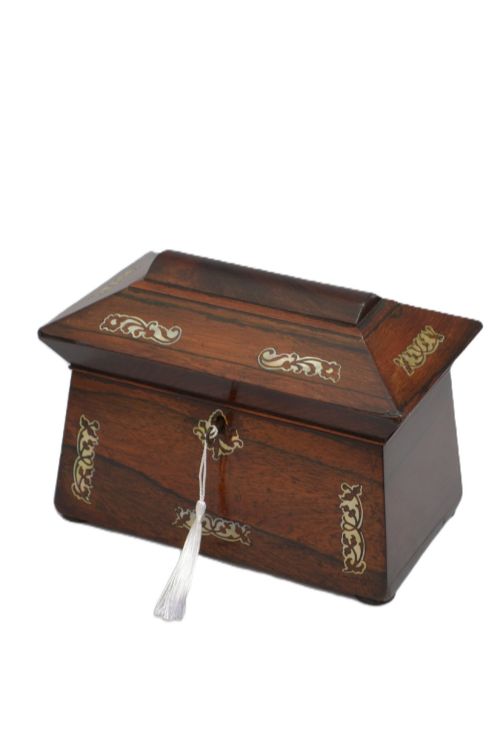
These mother of pearl vanity box pieces combine iridescent shell inlay with rich timbers like rosewood and coromandel to organise personal treasures.
Mother of Pearl Vanity Box
A mother of pearl vanity box is a fitted container designed for cosmetics, writing implements, or sewing accessories, frequently lined with velvet and equipped with mirrors. The examples you encounter on this page span the Regency, Victorian, and Edwardian periods, stretching from the early nineteenth century into the early twentieth century.
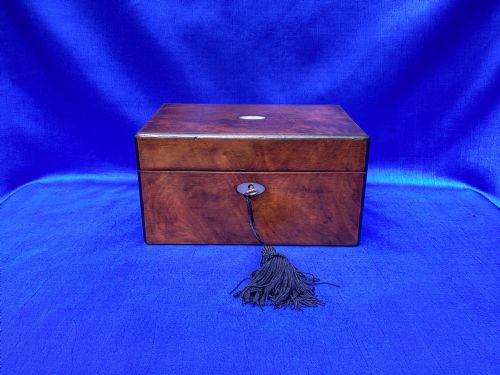
Most pieces on display are constructed from dense foundational woods such as rosewood, mahogany, walnut, or coromandel, embellished with shimmering shell inlay. Beyond dedicated vanity boxes, the selection includes related workboxes, jewellery cabinets, and sewing boxes that share the same lavish material vocabulary.
How they were made
Craftsmen built the carcases from hardwoods like rosewood and coromandel, preparing precise channelled recesses to receive thin plaques of iridescent mother of pearl. These shell sections were shaped by hand and set flush into the timber surfaces, often accompanied by fine brass stringing or inlay.
Interiors were laboriously fitted out with velvet linings, glass scent bottles, and silver-gilt components, creating compartmentalised spaces for travel or dressing table use. Working drawers, secret compartments, and original gold fittings demonstrate the high level of cabinet-making skill deployed in these workshops.
What varies in quality
Quality also shows in the completeness of the interior furnishings, such as original glass scent bottles with silver tops, intact velvet trays, and working locks with functional keys. Well-preserved maker signatures or complex multi-tier interiors elevate a piece above standard domestic boxes.
The Mother of Pearl Vanity Box Glossary
- Mother-of-pearl
- The iridescent internal layer of mollusc shells, utilised by makers to create glowing geometric or floral inlays on wooden boxes. It reflects light with shifting tones of pink, green, and silver.
- Coromandel wood
- A dense, heavily figured timber from Asia featuring dark brown and black striations, frequently chosen for high-end nineteenth-century dressing and vanity boxes.
- Rosewood
- A heavy, rich brown timber with dark grain patterns that provided the primary cabinet wood for the majority of Victorian vanity and sewing boxes.
- Necessaire
- A compact travel case or box fitted with small personal necessities such as scissors, tweezers, and scent bottles, often featuring gold or silver hardware.
- Writing slope
- A hinged box that opens to reveal a slanted writing surface, frequently combined with compartments for stationery, inkwells, and small trinkets.
Mother of Pearl Vanity Box: Frequently Asked Questions
What is inside a vanity box?
These boxes typically contain tailored compartments, lift-out trays, and velvet-lined sections designed to hold jewellery, cosmetics, and sewing tools. Many also incorporate hidden drawers and mirrors built into the lid.
More elaborate examples include matching glass scent bottles with silver-gilt lids and original gold-fitted instruments, reflecting the daily grooming habits of the nineteenth century.
How do I date a box?
Dating relies on combining the timber choice, the style of the mother of pearl inlay, and internal construction methods. Regency and early Victorian pieces often employ solid rosewood with bold brass stringing, while later Victorian boxes frequently feature coromandel and intricate floral shell motifs.
Internal hardware such as locks, hinges, and the style of the velvet lining also offer clear chronological clues for attribution.
Are these boxes meant for travel?
While many were originally designated as travelling boxes for wealthy Victorians on the move, today they function primarily as static decorative pieces and secure jewellery storage. Their robust timber carcases and fitted locks were built to withstand carriage journeys.
Living with them today simply involves placing them on a dressing table or side cabinet where their shell inlay catches the ambient light.
What is coromandel wood?
Coromandel is an exotic hardwood prized in the nineteenth century for its striking dark grain and heavy weight. It served as a luxury alternative to rosewood for high-end dressing cases and vanity boxes.
Boxes fashioned from this timber often command attention due to the dramatic contrast between the dark wood and the bright, shimmering mother of pearl inlay.