






Mother of Pearl Inlay Mirror
A mother of pearl inlay mirror brings an unmistakable shimmer into a room, catching the light across centuries of craftsmanship.
Mother of Pearl Inlay Mirror
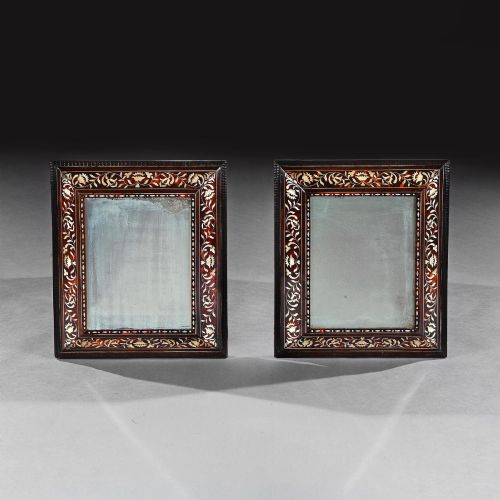
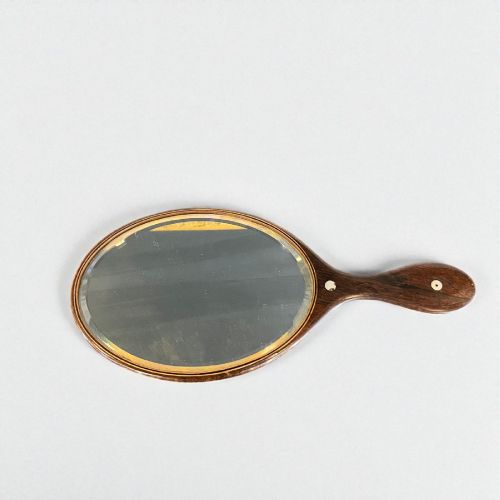
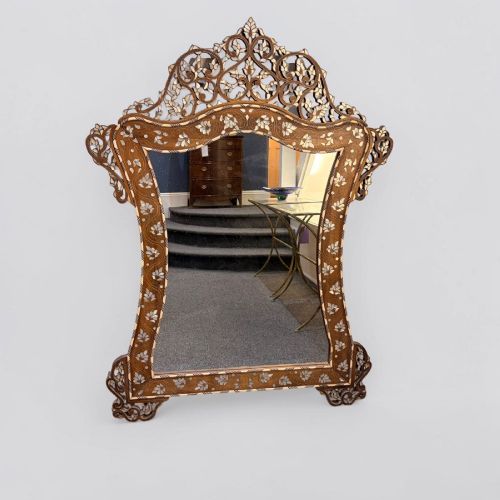
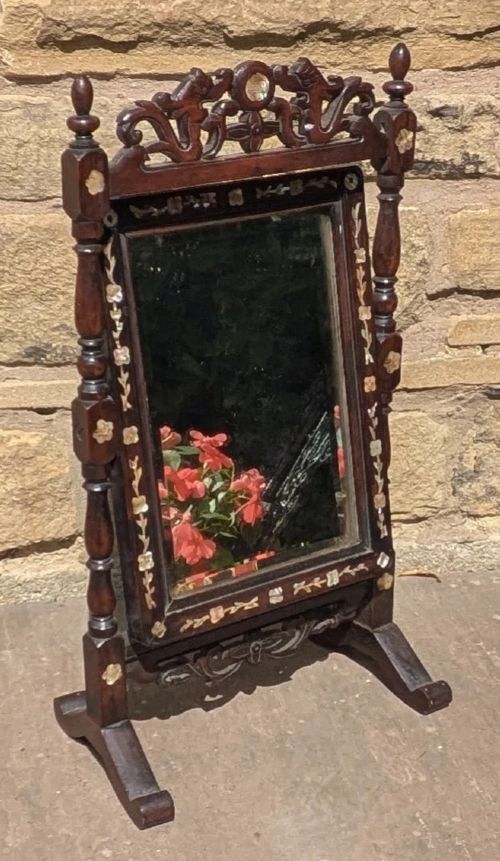
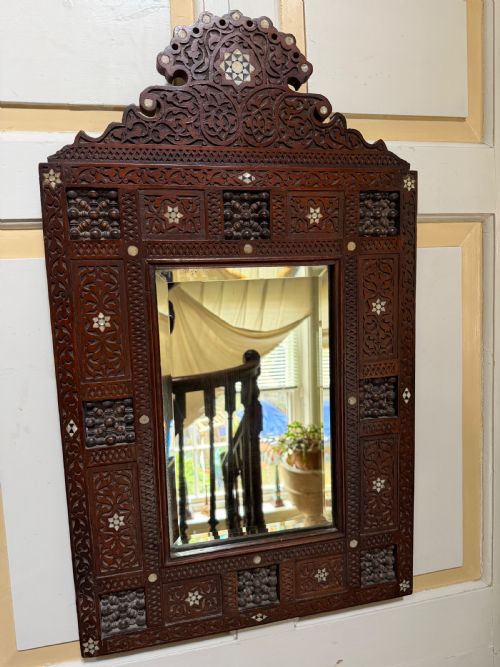
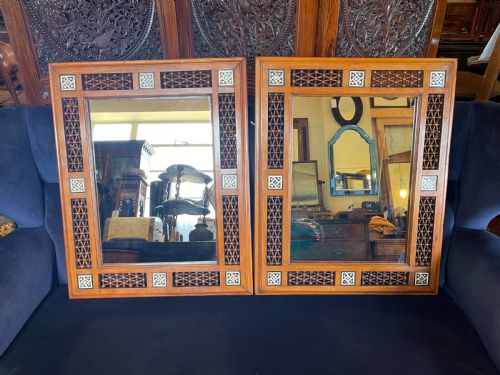
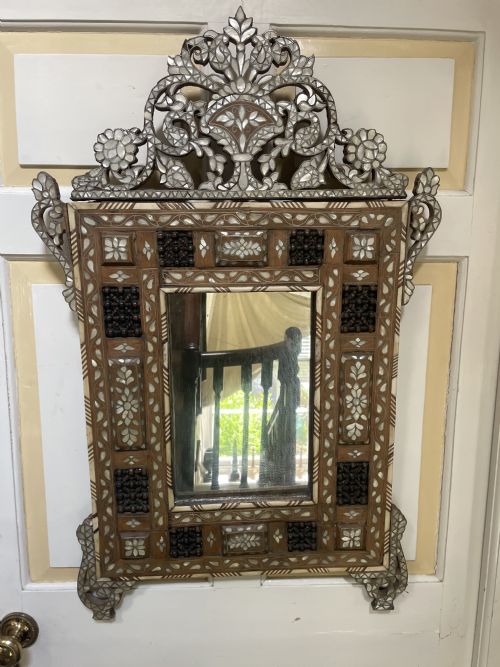
A mother of pearl inlay mirror unites reflective glass with iridescent shell ornamentation across a remarkable variety of global traditions. When you search for a mother of pearl inlay mirror, you encounter pieces spanning the nineteenth century alongside earlier examples from Spanish Colonial workshops. These objects take several distinct forms, ranging from large wall mirrors and cheval glasses to smaller dressing and table mirrors.
The regional origins of these items shape their distinct visual character. You find pieces created within Qing Dynasty workshops, Syrian Damascus traditions, and the intricate wood-carving centres of Hoshiarpur. Alongside these, Victorian burr walnut boxes incorporate fitted mirrors alongside Spanish Colonial tortoiseshell enconchado examples.
Most items you meet on this page date from the nineteenth century, though eighteenth-century and early twentieth-century variations appear. They serve as functional looking glasses while functioning equally as decorative focal points for a room.
How they were made
Craftsmen built these frames using dense woods such as hardwood, walnut, and burr walnut, providing a stable foundation for the delicate shell decoration. Artisans meticulously carved recesses into the wooden surfaces to fit individual pieces of mother-of-pearl precisely by hand.
In certain regional traditions, makers combined shell inlay with bone, ivory, or tortoiseshell to create complex geometric or floral patterns. The reflective glass itself was set securely within these heavily embellished surrounds, often accompanied by fitted interior compartments in dressing box variations.
Mother of Pearl Inlay Mirror Retail Price Guide 2026
Typical asking prices for mother of pearl inlay mirror among the pieces listed under this phrase on Sellingantiques today, from the lower quarter to the upper quarter. They describe what is for sale here now, not the wider market.
The listings span from the eighteenth century through to the early twentieth century, incorporating walnut, hardwood, and tortoiseshell.
What varies in quality
The standard of workmanship rests upon the precision of the shell placement and the complexity of the surrounding woodwork. Superior examples exhibit tightly fitted inlay work with minimal filler, where every individual piece of mother-of-pearl aligns flush with the timber.
The choice of base wood also defines the hierarchy of these objects, moving from standard hardwoods up to finely figured burr walnut or exotic tortoiseshell. The integrity of the original surface finish and the preservation of the delicate mosaic determine the overall visual presence of the piece.
The Mother of Pearl Inlay Mirror Glossary
- Mother-of-Pearl
- An iridescent internal layer of shells produced by pearl oysters and freshwater mussels. Artisans cut this material into thin geometric or floral shapes for decorative surface embellishment.
- Enconchado
- A distinctive painting and inlay technique originating in Spanish Colonial Peru and Mexico. This method incorporates mother-of-pearl shell fragments directly into the composition.
- Cheval Mirror
- A full-length freestanding mirror suspended in a frame that allows it to tilt. These large pieces typically rest on sturdy floor-standing supports.
- Burr Walnut
- Wood taken from the wart-like growths on walnut trees, yielding highly figured grain patterns. Cabinet makers utilised this timber for luxury Victorian dressing boxes and mirrors.
- Hoshiarpur
- A town in northern India renowned for intricate woodwork and inlay traditions. Artisans there produced distinctive mirrors and boxes embellished with bone and shell.
Mother of Pearl Inlay Mirror: Frequently Asked Questions
How do I clean the mother of pearl?
Dust the surface gently with a soft, dry cloth to remove everyday particles without disturbing the delicate inlay work.
Avoid using harsh chemical cleaners or excess moisture, which can damage both the historic wood and the natural shell components.
Are these mirrors fragile?
These pieces require careful handling due to the age of the timber and the individual shell fragments set into the frames.
Placement away from direct heat sources and dramatic humidity changes ensures the wood remains stable and prevents the inlay from loosening.
How do I date an inlaid mirror?
Examine the construction methods, the type of wood utilised, and the style of the decorative motifs across the frame.
Nineteenth-century examples often display distinct regional characteristics, differing noticeably from earlier Spanish Colonial or Qing Dynasty pieces.
Where should I place a table mirror?
Position these smaller pieces on sturdy dressing tables, sideboards, or chest tops where they receive indirect natural light.
This placement highlights the iridescent quality of the shell inlay while keeping the functional glass at a comfortable viewing height.