





Mother and Child Figurine
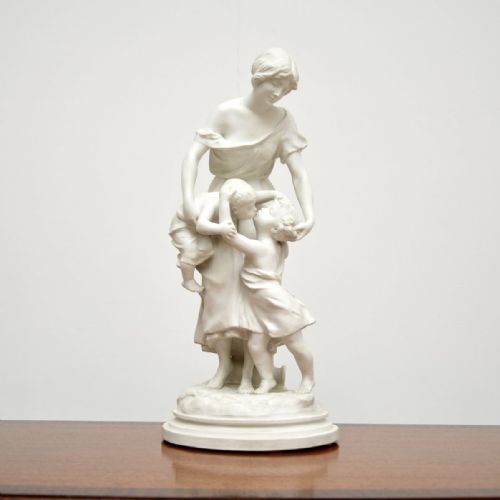
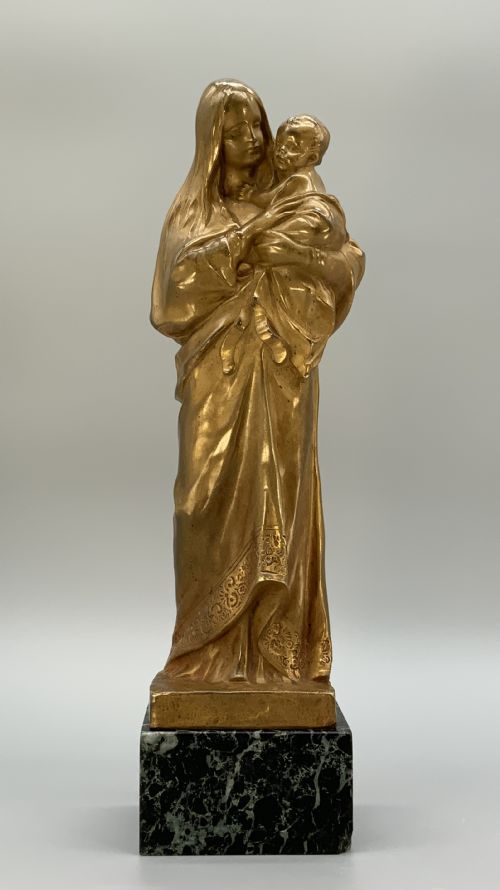
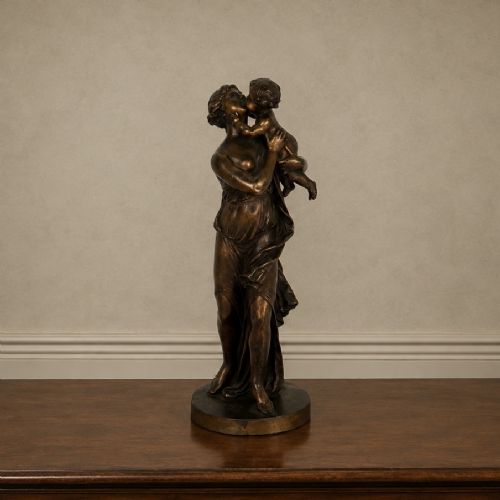
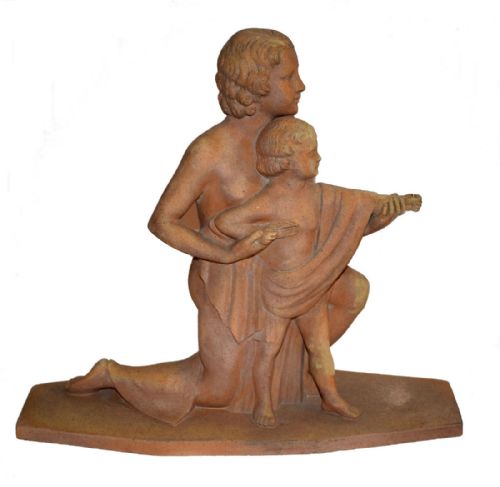
These mother and child figurine examples capture maternal devotion in bronze, marble, and terracotta, offering collectors a touch of classical sentiment.
Mother and Child Figurine
A mother and child figurine captures domestic affection and maternal warmth through sculptural forms spanning the nineteenth and twentieth centuries. These pieces translate classical themes and modern sentiments into solid materials.
The versions most commonly met on this page range from Victorian bronze groups and Grand Tour souvenirs to Art Deco spelter figures. Sculptures and statues in this category span French neoclassical revival styles and realist interpretations of maternity.
Originating largely from European workshops and named artists, these works reflect changing aesthetic tastes across decades. Each piece preserves a distinct sculptural tradition, whether cast in metal or modelled in bisque porcelain.
Materials and construction methods
Foundry cast bronze forms the backbone of many pieces, often finished with dark patina, gilt details, or cold-painted surfaces. Sculptors utilised lost-wax or sand-casting methods to achieve fine details in drapery and facial expressions.
Spelter served as an accessible alternative metal during the Art Deco period, offering crisp definition for modernist stylisation. Terracotta and bisque porcelain provide softer, ceramic alternatives shaped by hand or pressed into moulds before firing.
Mother and Child Figurine Retail Price Guide 2026
Typical asking prices for mother and child figurine among the pieces listed under this phrase on Sellingantiques today, from the lower quarter to the upper quarter. They describe what is for sale here now, not the wider market.
A horse drinking makes an unexpected guest in a domestic bronze group centred on a mother and child.
Assessing sculptural quality
The clarity of the cast and the crispness of the chasing separate superior metal sculptures from simpler commercial outputs. Finer bronzes retain sharp contours in hands, hair, and clothing folds without soft edges from worn moulds.
Surface finish dictates visual depth, where hand-applied patination and subtle gilding enhance the dimensionality of the figures. The articulation of anatomy and the expressiveness of the pose reveal the hand of a skilled sculptor rather than a mass-produced copy.
Luca Madrassi·Hans Müller·Antonio Merente·Auguste Moreau·Lucien Madrassi·Xavier Raphanel·B. Rezl
The Mother and Child Figurine Glossary
- Spelter
- A zinc alloy frequently used as a cost-effective substitute for bronze in decorative figures, particularly during the Art Deco period. It takes patination well but is softer than bronze.
- Patina
- The surface coloration and sheen developed naturally over time or applied chemically by a foundry. It protects the metal and accentuates sculptural contours.
- Grand Tour
- A cultural journey undertaken by nineteenth-century Europeans collecting classical souvenirs. Figures purchased on these travels often replicated ancient marble or bronze statues.
Mother and Child Figurine: Frequently Asked Questions
How do I care for a bronze sculpture?
Dust metal surfaces gently with a soft, dry cloth to prevent the accumulation of airborne particles.
Apply microcrystalline wax sparingly every few years to protect the patina from moisture and handling oils.
What is the difference between bronze and spelter?
Bronze is an alloy of copper and tin offering great durability and crisp casting definition.
Spelter is a zinc-based metal that is lighter and softer, often identified by a heavier surface coating applied to hide the base metal.
Where were these sculptures displayed historically?
These domestic ornaments traditionally sat upon drawing room mantelpieces, pedestals, or library tables.
They served as decorative focal points reflecting refined tastes in portraiture and classical allegory.