



Monochrome Architecture Art
Monochrome architecture art comprises historic drawings and engravings that capture classical orders and structural studies with ink, pencil, and graphite.
Monochrome Architecture Art
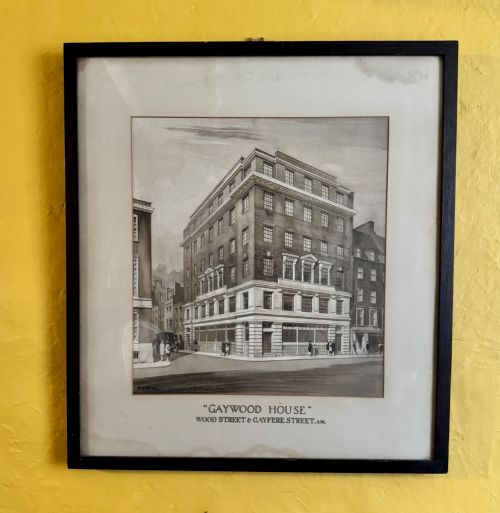
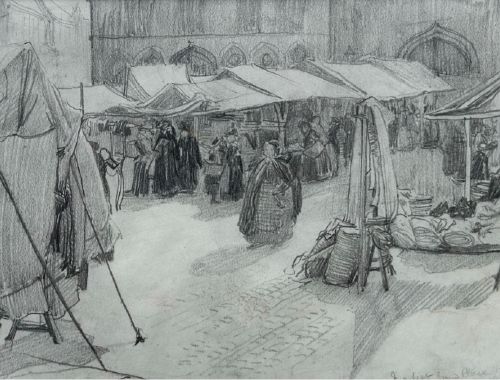
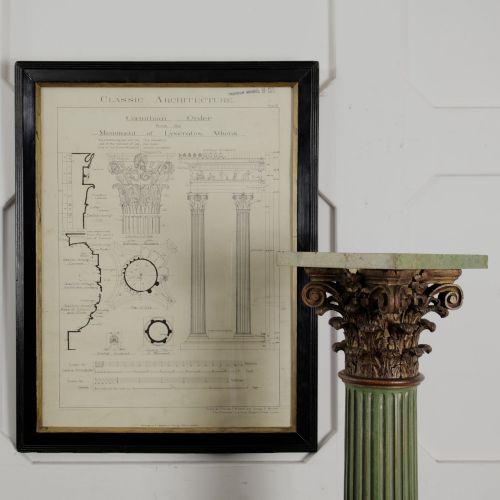
Monochrome architecture art brings together original drawings, sketches, and antique prints spanning the eighteenth, nineteenth, and early twentieth centuries. These works record classical orders, monastic ruins, civic buildings, and townscapes through tonal precision rather than colour.
The pieces on offer lean heavily towards framed architectural plates, original graphite studies of Gothic and Neoclassical subjects, and historic engravings originating from major archaeological surveys and design manuals.
Materials and construction
These works rely on paper as a primary support, paired with ink, graphite, or pencil to delineate fine structural lines and deep shadows. Engraved plates utilise paper and ink to capture intricate details of stonework and ornamentation.
Framing often incorporates wood and glass to protect fragile historic paper from environmental wear while preserving the integrity of the original medium.
Monochrome Architecture Art Retail Price Guide 2026
Typical asking prices for monochrome architecture art among the pieces listed under this phrase on Sellingantiques today, from the lower quarter to the upper quarter. They describe what is for sale here now, not the wider market.
Several drawings preserve the precise lines used to draft ancient Greek gods and nineteenth-century steam gun boats alike.
Assessing quality and merit
Quality rests in the precision of the draughtsmanship and the clarity of the printed line, where sharper contrast and finer execution elevate a piece. Evidence of contemporary hand-annotation or signatures from known draughtsmen also marks out superior examples.
The condition of the paper surface and the historical significance of the depicted structure distinguish standard decorative plates from works of genuine archival importance.
Henry Percy Huggill·Sir Francis Leggatt Chantrey·John Scott Russell·James Basire
The Monochrome Architecture Art Glossary
- Engraving
- A printmaking process where an image is cut into a metal plate with a burin. The resulting lines hold ink to transfer fine architectural details onto paper.
- Graphite
- A form of carbon used in pencils to create tonal drawings. It permits subtle gradients of grey essential for depicting stone and shadow.
- Neoclassical
- A style drawing inspiration from the classical art and architecture of ancient Greece and Rome. It dominates many of the eighteenth and nineteenth-century pieces.
- Gothic Revival
- An architectural movement reviving medieval gothic forms. Works in this style focus on pointed arches, ribbed vaults, and ornate ecclesiastical structures.
Monochrome Architecture Art: Frequently Asked Questions
What is monochrome architecture art?
Monochrome architecture art consists of prints, drawings, and sketches depicting buildings, ruins, and classical details in single-colour tones.
These pieces range from preparatory design drawings to published book plates and technical illustrations.
How were these architectural drawings used?
Many works served as plates in architectural treatises, archaeological surveys, or pattern books for builders and scholars.
Others functioned as original field sketches or finished studies created during European tours and site documentation.
How should I frame historic paper?
Historic paper requires conservation-grade mounting materials to prevent acid migration and degradation over time.
Keeping pieces away from direct sunlight protects vulnerable ink and graphite mediums from fading.
How do I identify the period?
Periods are identified through stylistic cues such as Neoclassical symmetry or Gothic Revival pointed arches, alongside paper characteristics.
Printed plates often bear publication dates, while original drawings may feature period signatures or watermarks.