




Monochrome Architectural Art
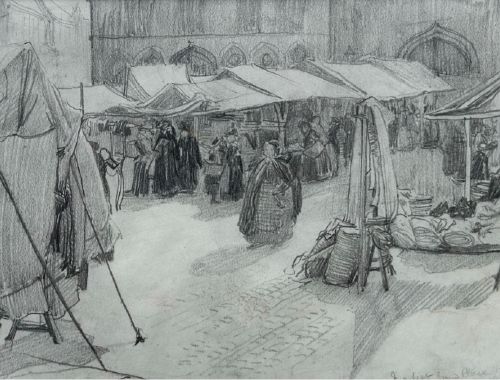
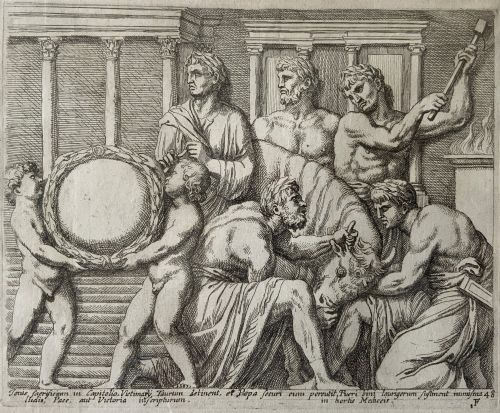
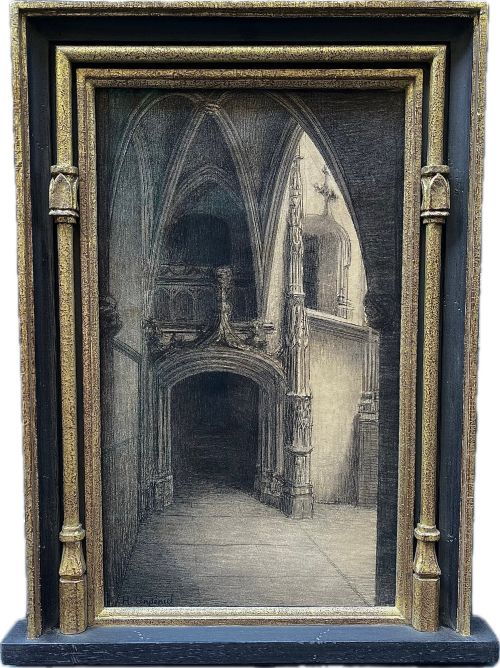
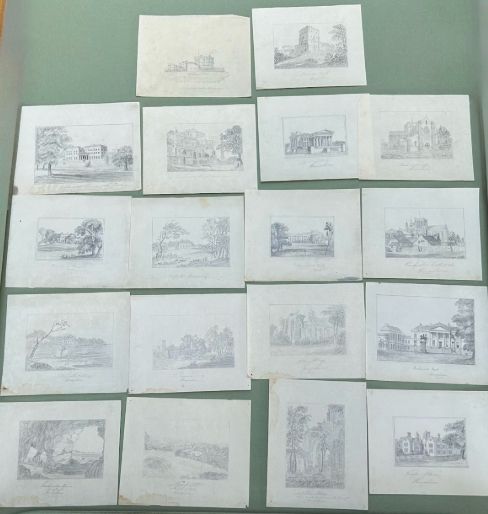
Monochrome architectural art gathers antique prints, engravings and drawings depicting classical structures, churches and ancient ruins in ink, pencil and charcoal.
Monochrome Architectural Art
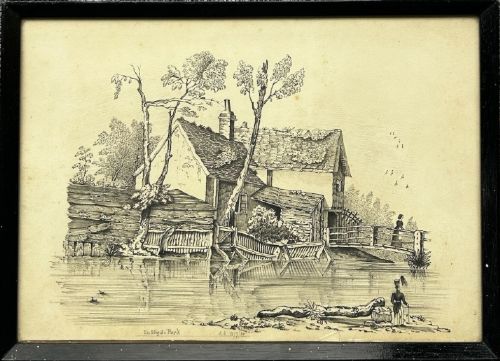
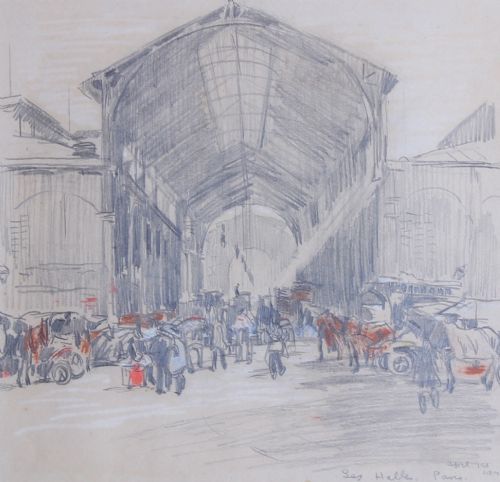
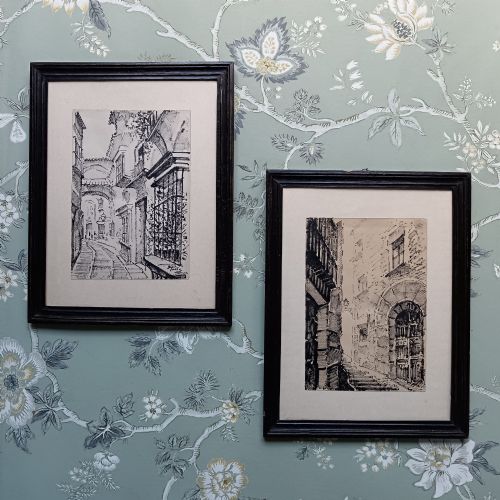
Monochrome architectural art comprises works on paper executed in ink, pencil, charcoal, graphite and various printmaking methods. These pieces capture buildings, streetscapes, interiors and classical antiquities without the distraction of colour, relying instead on line and tone to define form.
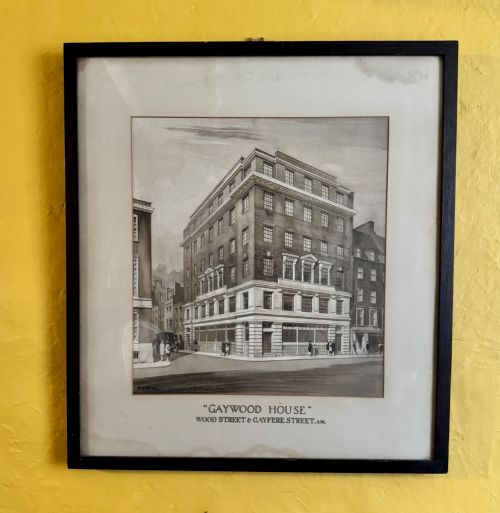
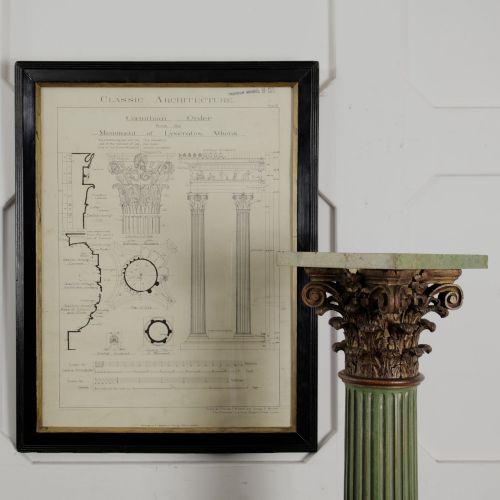
The selections encountered on this page span several centuries, reaching from the seventeenth century through the Georgian and Victorian eras into the mid-twentieth century. Works range from detailed plates illustrating classical orders and grand tour subjects to original drawings of British churches and colleges.
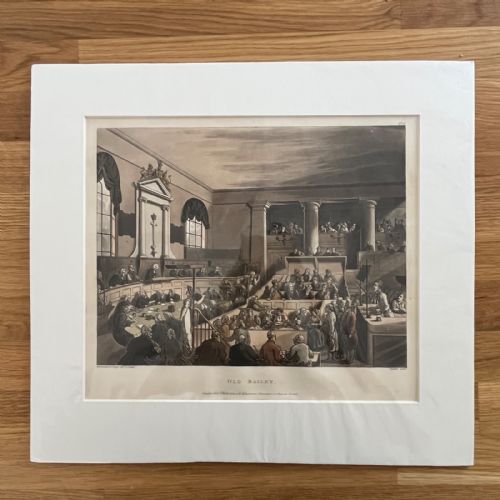
Buyers will find both printed editions, such as copper engravings and lithographs, and unique works on paper including preparatory sketches and finished drawings. Subjects extend from Italian classical antiquities to domestic townscapes and Gothic ruins.
How they were made
Makers utilised traditional mediums on paper and card, employing pencil, graphite, charcoal and ink washes to build up tonal depth and linear precision. Many examples incorporate copper engraving or etching plates, where lines are bitten with acid or incised directly into metal before being transferred to paper under pressure.
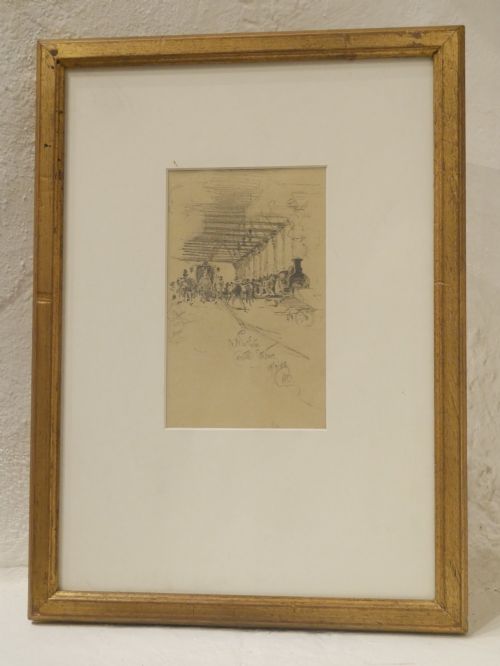
Framed works often utilise wood surrounds and protective glass, with some older drawings adhered to canvas stretchers or backing boards for structural support. Gold leaf occasionally appears in framing details or associated decorative elements, complementing the monochrome palette.
Monochrome Architectural Art Retail Price Guide 2026
Typical asking prices for monochrome architectural art among the pieces listed under this phrase on Sellingantiques today, from the lower quarter to the upper quarter. They describe what is for sale here now, not the wider market.
Listings feature paper, ink, wood, glass, graphite, gold leaf, pencil and charcoal across periods from the seventeenth century to the mid-twentieth century.
What varies in quality
Quality in these works rests upon the firmness of the draughtsmanship, the clarity of the line and the precision with which perspective and proportion are rendered. Stronger examples display a confident command of shadow and light that gives three-dimensional weight to stone columns and masonry.
The significance of the subject matter and the reputation of the hand involved also distinguish pieces. Original preparatory sketches and signed prints by known artists or master engravers carry greater authority than anonymous reproductive plates, while condition depends on the preservation of the paper support against foxing and fading.
François Perrier·Henri Charles Angéniol·Sir Francis Leggatt Chantrey·Fred Lawson·Edgar J Maybery·Alessandro Mocchetti·James Basire·Giovanni Ottaviani
The Monochrome Architectural Art Glossary
- Etching
- A printmaking process where lines are bitten into a metal plate with acid before ink is applied and transferred to paper. This technique allows for fine, fluid lines that closely resemble freehand drawing.
- Engraving
- A method of cutting a design directly into a metal plate using a sharp tool called a burin. The resulting lines are crisp and clean.
- Lithography
- A planographic printing process based on the chemical repulsion of oil and water. It enables the reproduction of tonal nuances found in washes and drawings.
- Drypoint
- A printmaking technique where an image is scratched directly into a metal plate with a sharp needle, producing a velvety burr that holds ink. This creates characteristic soft, rich lines.
- Wash
- A technique of diluting ink or watercolour to create translucent layers of tone. It provides depth and shadow behind linear work in architectural drawings.
Monochrome Architectural Art: Frequently Asked Questions
What is monochrome architectural art?
Monochrome architectural art consists of drawings, prints and engravings focused on buildings, ruins and classical structures rendered in black, white and grey tones.
These pieces use media like ink, pencil, charcoal and etching to record historic structures and imaginary architectural fantasies across different centuries.
How were these artworks used?
Such works served as educational records for scholars, visual records for travellers on the grand tour and decorative wall art for domestic interiors.
Many originated as book illustrations, plate books documenting antiquities or direct observational studies made on location by travelling artists.
How do I live with antique paper art?
Antique works on paper require careful placement away from direct sunlight to prevent fading of the ink, pencil and paper support.
Framing with UV-protective glass and acid-free mounts helps preserve these delicate pieces for display in studies, hallways and living spaces.
How can I tell the period of a print?
Dating relies on the paper characteristics, printing techniques, framing methods and stylistic markers associated with specific centuries.
Early engravings often show plate marks and handmade paper watermarks, while later twentieth-century drawings reflect modern movements and materials.