




Monkey Sculpture Figure
A monkey sculpture figure brings character and wit to a room, ranging from small desk accessories to garden statues.
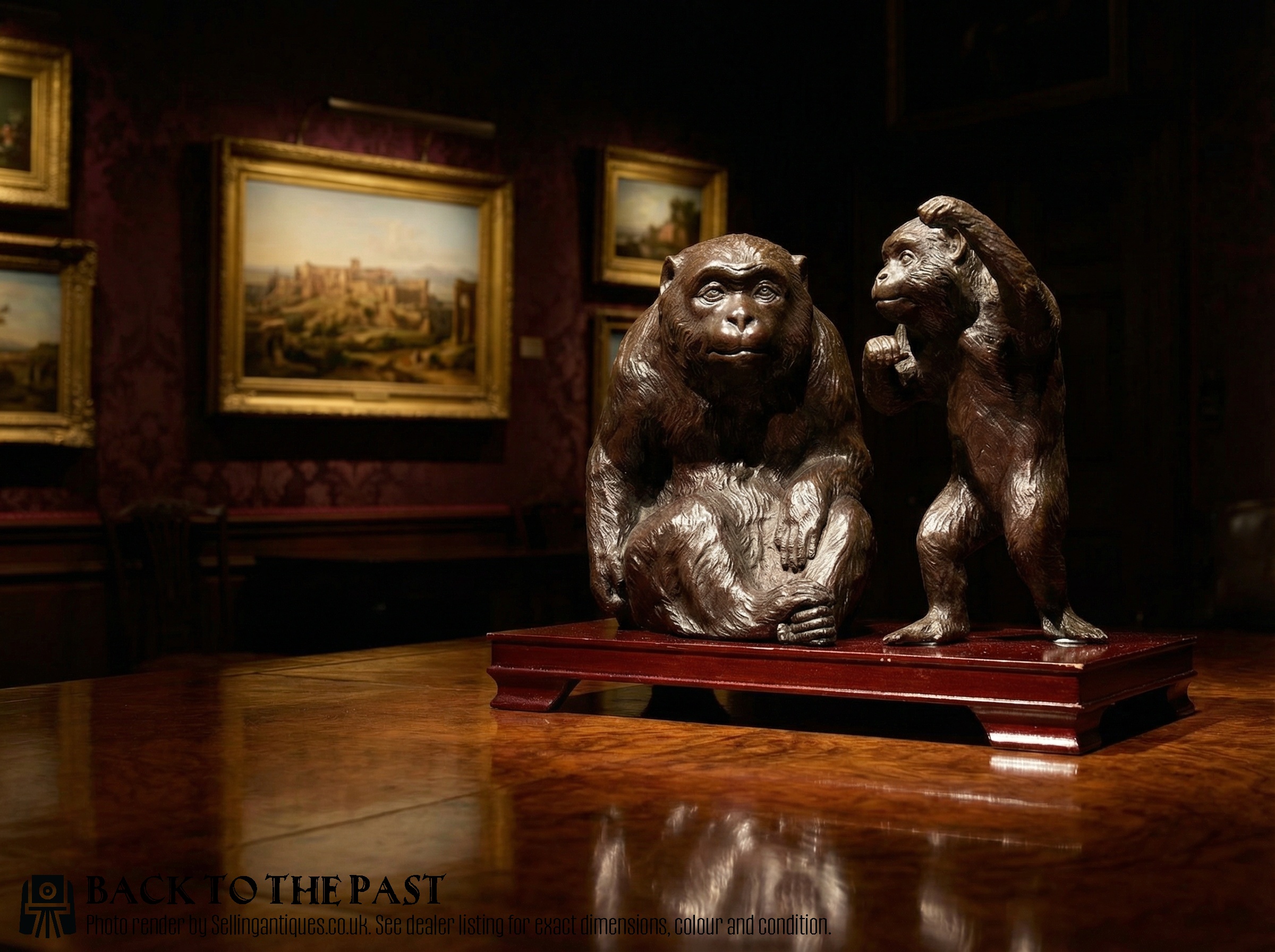
Monkey Sculpture Figure
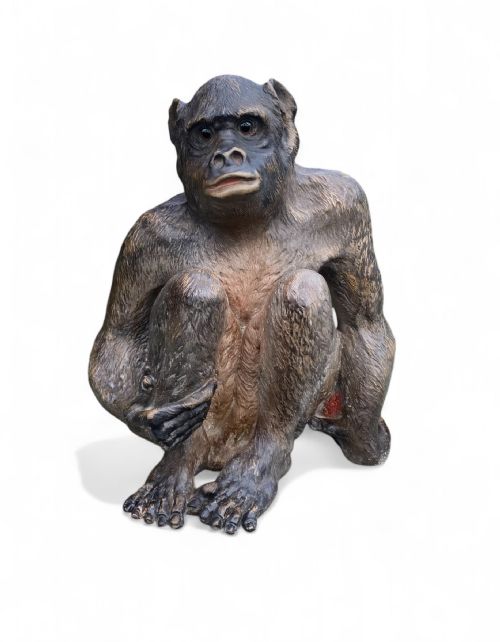
A monkey sculpture figure captures the primate form in media from bronze and porcelain to carved hardwood and terracotta. These pieces range from small desk novelties and inkwells to garden sculptures and dinner gongs.
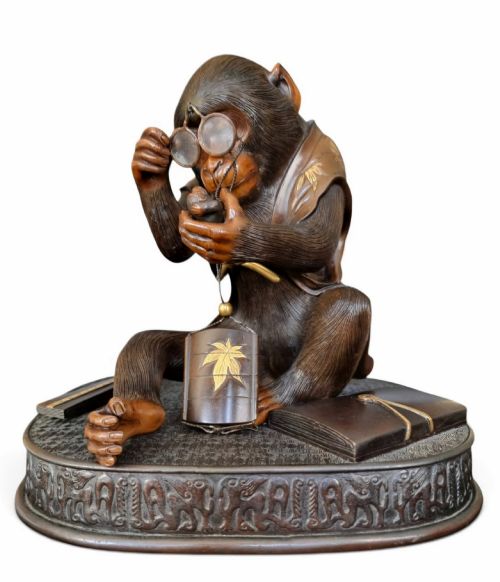
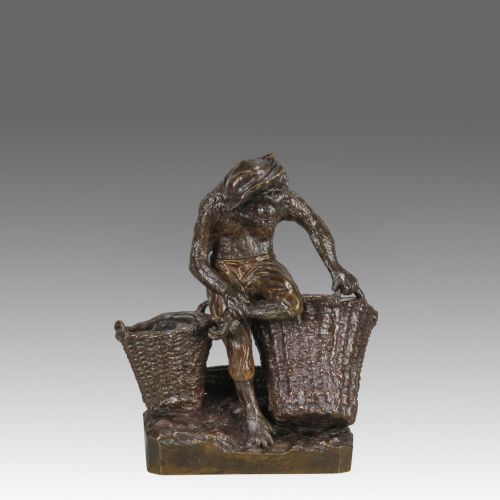
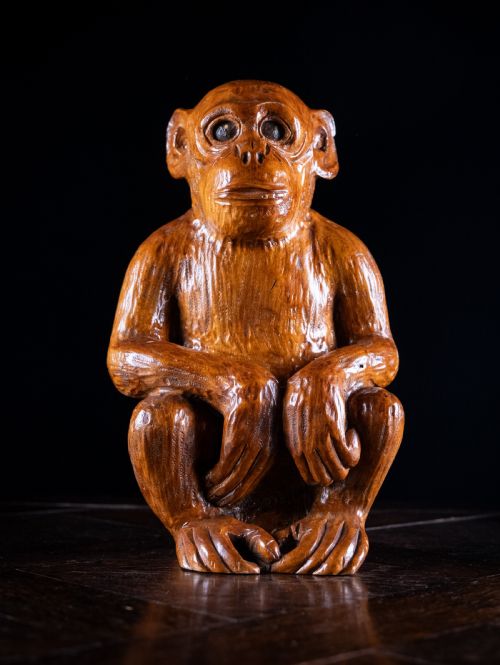
The versions most likely to be met on this page include Victorian animalier bronzes, Meiji period Japanese metalwork, and mid-century carved wooden figures. Each period brings a distinct approach to the subject, from realistic anatomical studies to humorous anthropomorphic scenes.
How they were made
Foundry methods dominate the metal examples, utilising bronze, copper, and mixed metals often finished with cold painting or gold inlay. Vienna bronzes employ detailed casting followed by hand-applied polychrome paint, whilst Meiji period Japanese works showcase intricate metalcraft and patination.
Carved pieces rely on dense timbers such as mango wood or hardwood, shaped with hand gouges to define the fur and posture. Porcelain examples like those from Meissen use hard-paste ceramic cast in moulds and painted with enamel colours before firing.
Victorian carvers evidently decided that a monkey racing a greyhound made complete sense for a desk dish.
What varies in quality
Detail in secondary elements, such as glass inset eyes, precise feathering of fur, or complex mixed-metal inlay, separates workshop output from mass production. The integrity of the original surface patination or cold paint further determines the standing of a piece.
Christophe Fratin·Meissen
The Monkey Sculpture Figure Glossary
- Animalier
- A term for nineteenth-century sculpture depicting animals with naturalistic accuracy and vigour. It applies widely to bronzes produced across Europe during this period.
- Cold Painted
- A method where enamel paints are applied to a bronze casting without subsequent firing. This finish is particularly associated with Austrian workshops.
- Hard-Paste Porcelain
- A dense, durable ceramic composed of kaolin and petuntse fired at high temperatures. It allows for crisp moulding and bright enamel decoration.
- Novelty
- An object designed with a utilitarian purpose, such as an inkwell or dinner gong, disguised in a humorous or unusual form.
Monkey Sculpture Figure: Frequently Asked Questions
What materials were used for these sculptures?
Makers employed a wide variety of materials depending on the period and origin, including cast bronze, copper, mixed metals, hard-paste porcelain, terracotta, and carved hardwoods like mango wood. Some pieces feature glass eyes or gold inlay to enhance realism.
Surface treatments also vary, ranging from natural bronze patination to cold-painted enamel colours and traditional Japanese metal finishes.
How do I identify a Meiji period piece?
Meiji period Japanese metalwork often displays intricate mixed-metal alloys, highly detailed chasing, and subjects such as anthropomorphic scholars or naturalistic primates. These works reflect the high technical skill of late nineteenth-century Japanese bronze-smiths.
They generally show distinct patination techniques and anatomical styling that differ markedly from European animalier bronzes of the same era.
Were these figures purely decorative?
Many sculptures served a dual purpose as functional objects for the desk, hall, or garden. Common functional forms include inkwells, desk tidies, dinner gongs, and sculptural dishes.
Other examples, such as okimono or porcelain figures, were created solely for visual display on furniture or within cabinets.
How should I care for a bronze monkey?
Bronze figures require minimal intervention, needing only occasional dusting with a soft, dry cloth to prevent grime accumulation. Avoid using chemical polishes, abrasive cloths, or water, as these can strip the original patina or cold-painted finish.
Keeping the object away from direct sunlight and excessive humidity helps preserve the stability of the metal and any applied pigments.