

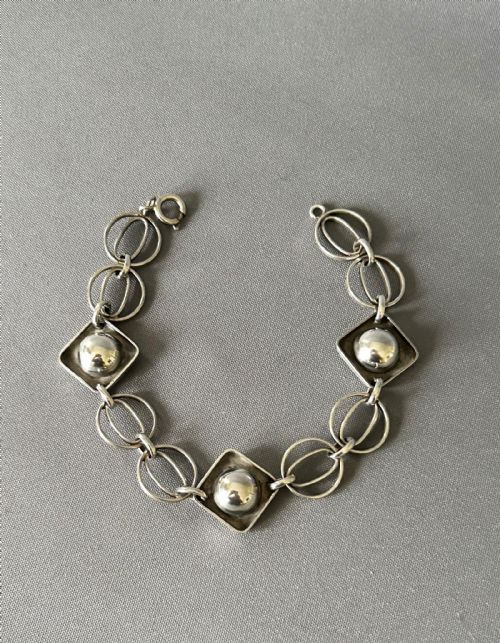


Modernist Geometric Jewellery
Modernist geometric jewellery comprises stark, clean-lined pieces in silver, chrome, and early plastics designed to capture linear rhythm.
Modernist Geometric Jewellery
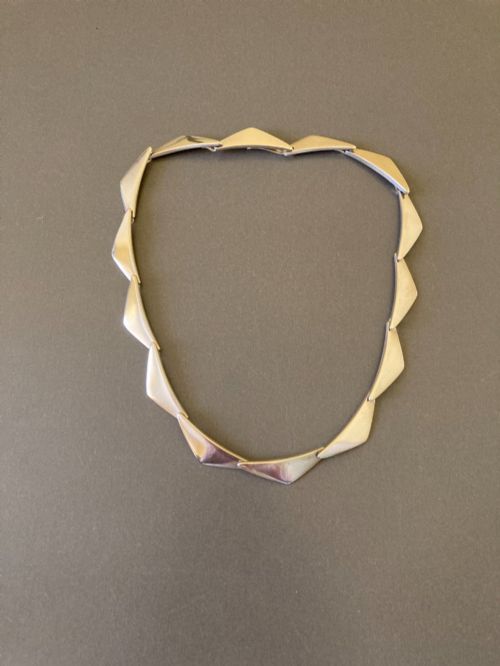
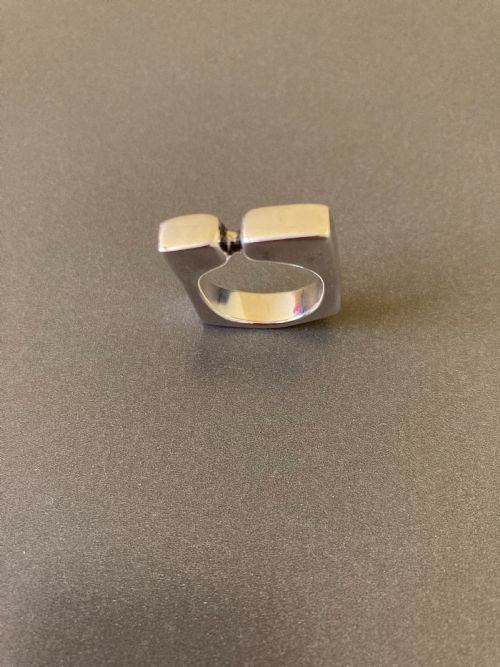
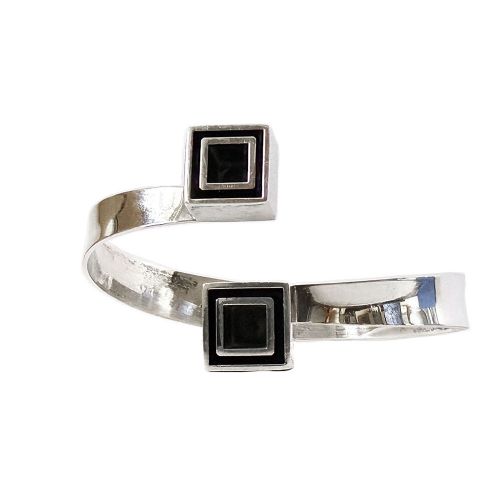
Modernist geometric jewellery brings together striking wearable objects spanning the nineteenth century, nineteen-thirty, nineteen-forty, and nineteen-sixty periods. These items encompass necklaces, bracelets, rings, earrings, cufflinks, bangles, pendants, brooches, dress clips, and general pieces of jewellery.
The aesthetic divides cleanly between nineteen-thirty Art Deco works and nineteen-sixty Mid-Century Scandinavian output. Art Deco examples lean heavily on industrial materials and architectural layouts, while Scandinavian output favours sleek silver forms and minimalist stone settings.
What varies in quality
The standard of execution rests in the crispness of the geometric lines and the precision of the mechanical assembly. Higher-tier pieces maintain tight tolerances in their panel linkages and secure flush settings for stones or enamel.
Material choice dictates distinction, separating humble chrome and silver-plated items from solid sterling silver, gold, and scarce early plastics. Master workshops applied heavier gauges of metal and superior finishing techniques that endure better with age.
The inventory spans the nineteenth century alongside the nineteen-thirty, nineteen-forty, and nineteen-sixty periods.
Georg Jensen·Randers Silver·Alton·Jakob Bengel
The Modernist Geometric Jewellery Glossary
- Galalith
- An early semi-synthetic plastic derived from casein and formaldehyde, frequently utilised in nineteen-thirty geometric necklaces and earrings. It takes vibrant dye colours exceptionally well.
- Bakelite
- A durable thermosetting phenol formaldehyde resin popular in early twentieth-century industrial design. It appears in starkly modern earrings and statement items.
- Chrome
- Chromium plating applied to base metals to produce a bright, corrosion-resistant, highly reflective finish. It gave nineteen-thirty industrial pieces their characteristic metallic sheen.
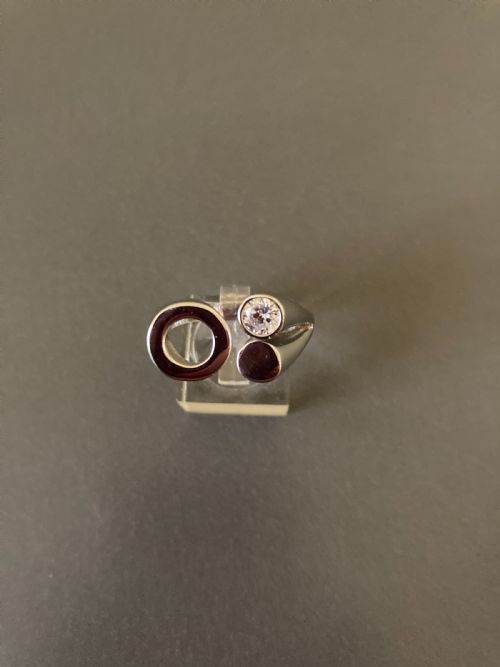
- Zirconia
- A synthetic crystalline gemstone utilised as a brilliant diamond substitute in mid-century silver rings. It offers high refractive brilliance within minimalist settings.
Modernist Geometric Jewellery: Frequently Asked Questions
How do I date these pieces?
Dating relies on stylistic markers and material combinations. Nineteen-thirty items often pair chrome with bakelite or enamel, whereas nineteen-sixty Scandinavian works feature clean sterling silver.
Maker marks and construction techniques further narrow the decade of production. Examining the clasp styles and metal purity stamps provides additional chronological clues.
What metals are most common?
Sterling silver and chrome dominate the selection across different decades. Chrome defines the industrial nineteen-thirty aesthetic, while silver characterises mid-century Scandinavian designs.
Gold appears occasionally alongside diamonds in select pieces. Silver plate and german silver also serve as structural bases for decorative panel work.
How were early plastics used?
Plastics such as bakelite and galalith provided bold, uniform blocks of colour without relying on costly gemstones. Makers shaped these materials into geometric beads, links, and drops.
Their integration allowed designers to achieve striking visual contrasts against metal frames. This technique defined much of the interwar industrial jewellery output.
Are these items suitable for daily wear?
Most pieces suit regular wear provided they receive sensible care. Solid silver and metal items withstand everyday use well when clasps and pins remain secure.
Early plastics and enamel require gentler treatment to avoid surface scratching or impact damage. Storing items individually prevents unnecessary friction between geometric edges.