







Modernist Figure Painting
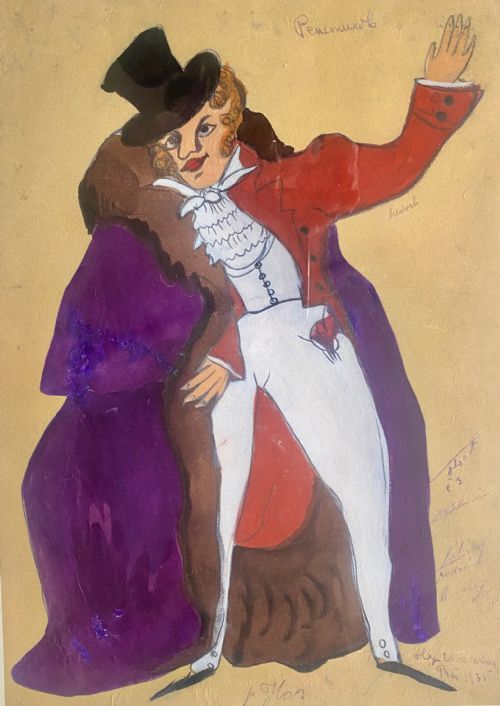
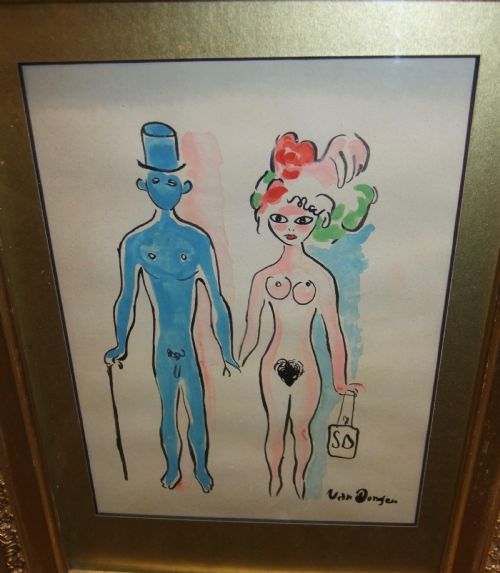
Modernist figure painting captures human form through experimental lenses, offering bold interpretations that bring striking character and dynamic presence to any interior.
Modernist Figure Painting
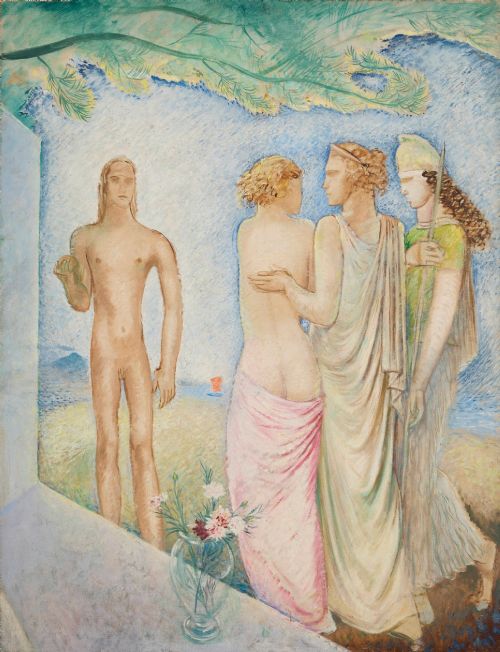
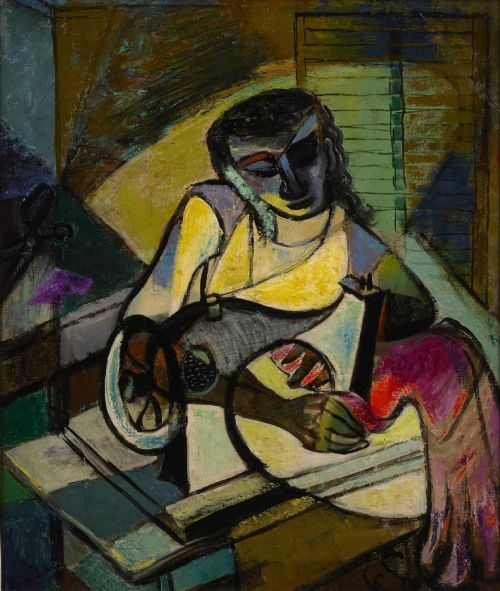
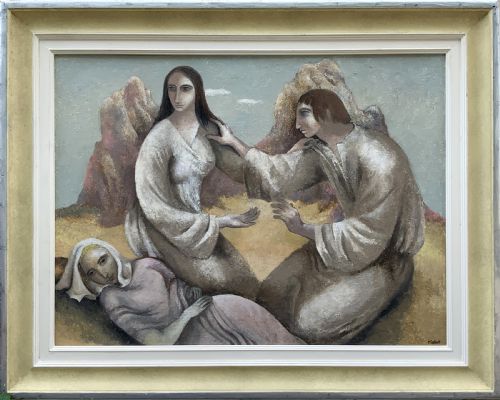
A modernist figure painting represents the human form through the stylistic vocabulary of the early to mid twentieth century, breaking away from traditional academic realism. When exploring a modernist figure painting collection, expect to encounter works executed across several decades, ranging from the nineteen-tens through to the nineteen-sixties.
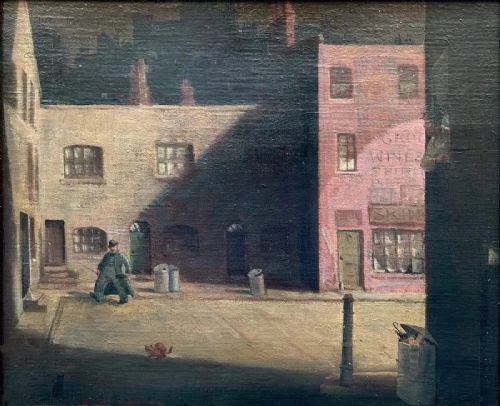
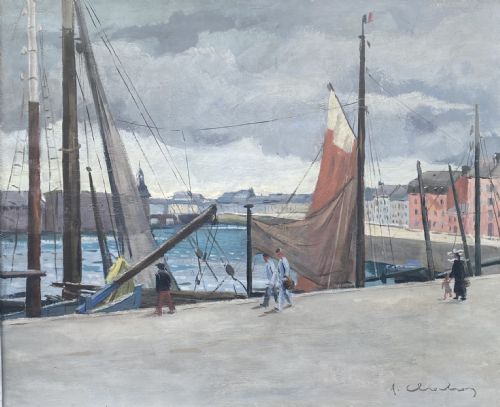
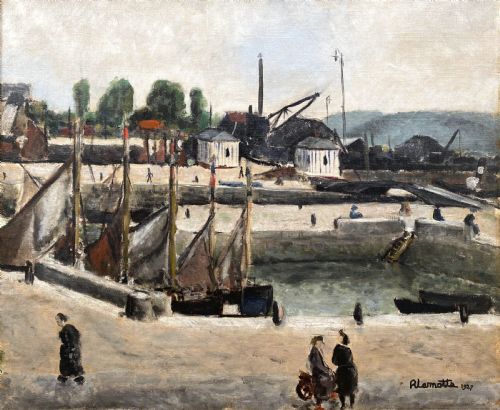
The objects on this page primarily take the form of framed artworks, oil paintings on canvas or board, alongside works on paper and gouache. These pieces frequently embrace mid-century modernist, expressionist, and post-impressionist idioms, capturing subjects from female nudes to harbour scenes.
Origins span British, French, Spanish, and American hands, reflecting the international dialogue of the avant-garde. Buyers will find both intimate portrait studies and larger canvas compositions reflecting the bohemian life of Paris Montparnasse or the Bloomsbury group aesthetic.
Materials and techniques
Artists working within this idiom relied principally upon oil paint applied to canvas, wood panel, or board, building up textures that sometimes incorporate thick impasto. Watercolours and gouache on paper also appear, offering a more immediate, fluid alternative to heavier oil media.
Support materials range from traditional stretched canvas to wood and paper, often framed to preserve the integrity of the surface. Pigments are manipulated with expressive brushwork, aligning with movements like expressionism and avant-garde surrealism.
Modernist Figure Painting Retail Price Guide 2026
Typical asking prices for modernist figure painting among the pieces listed under this phrase on Sellingantiques today, from the lower quarter to the upper quarter. They describe what is for sale here now, not the wider market.
Some canvases carry the invisible weight of Montparnasse bohemian life, where artists traded portraits for coffee and argued about surrealism until dawn.
Assessing quality and execution
Quality in these works rests upon the confidence of the brushwork and the strength of the compositional structure rather than mere technical neatness. The most successful examples demonstrate a deliberate command over form and colour, transforming the human subject into a compelling visual statement.
Provenance and attribution also elevate certain pieces, particularly when connected to documented artists or specific regional schools such as the School of Paris or the Bloomsbury circle. The interplay between paint application and the chosen support reveals the artist's underlying mastery.
Francisco Sancha·Lena Gurr·Christine Nesbit·Olga Choumansky·Peter Jackson·Pinchus Krémègne·Antonio Ferri·Yetta Kane·Kenneth B Malpass·Lamotte·Kees van Dongen·Bernard Meninsky
The Modernist Figure Painting Glossary
- Impasto
- Paint applied thickly to a canvas or panel, standing out in relief from the surface and catching the light. This technique adds tactile depth to modernist portraits and figure studies.
- Gouache
- An opaque water-based medium that dries to a matte finish, allowing for flat, saturated areas of colour. It was frequently utilised by avant-garde and surrealist painters for works on paper.
- Avant-garde
- A descriptor for art that pushes boundaries, rejecting established academic conventions in favour of experimental forms. It defines much of the progressive work produced in early twentieth-century Europe.
- Post-Impressionism
- An artistic movement following impressionism that extended its use of vivid colours and thick brushwork while placing greater emphasis on geometric forms and expressive content.
- School of Paris
- A term describing the diverse community of foreign and domestic artists who lived and worked in Paris during the early decades of the twentieth century. Many figure paintings from this milieu reflect the bohemian atmosphere of Montparnasse.
Modernist Figure Painting: Frequently Asked Questions
What defines a modernist figure painting?
These works break away from strict academic realism, using distortion, expressive brushwork, and non-naturalistic colour palettes to interpret the human body.
They reflect movements such as expressionism, surrealism, and post-impressionism spanning the early to mid twentieth century.
How should I hang these paintings?
Due to their bold use of colour and form, these pieces suit spaces with good natural light that does not wash out delicate gouache or textured impasto.
Keep them away from direct sunlight and high humidity to protect canvas, wood panels, and paper supports.
Are these works signed by the artists?
Many examples feature artist signatures, often located in the lower corners of the canvas or paper, while others remain attributed through stylistic evidence.
Signatures provide valuable clues for dating and identifying the specific hand behind the composition.
What is the difference between canvas and board?
Canvas offers a flexible, textured surface stretched over a wooden frame, allowing for give beneath the brush. Board or wood panel provides a rigid support favoured for smaller, direct studies.