





Moderne Sideboard
A moderne sideboard brings the striking geometric forms and rich cabinetwork of the nineteen-twenties and thirties directly into a contemporary interior.
Moderne Sideboard
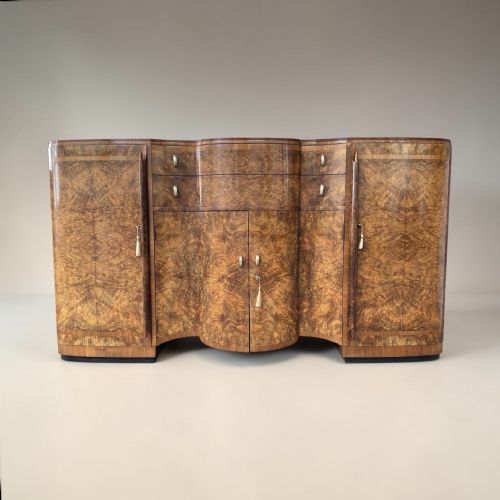
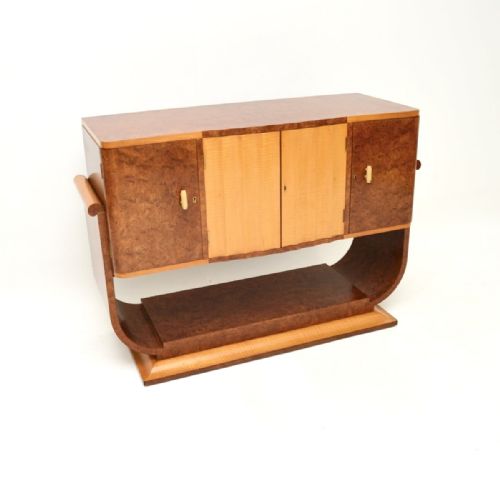
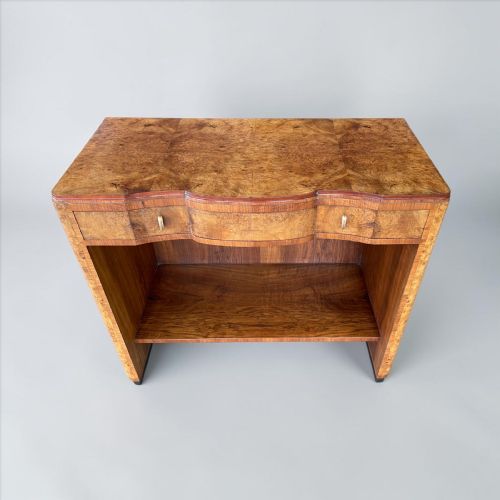
A moderne sideboard represents the distinct furniture design movement of the Art Deco period, spanning the nineteen-twenties and nineteen-thirties. These practical storage pieces function as serving tables, cocktail cabinets, and credenzas within living and dining spaces.
Most examples encountered on this page date specifically to around nineteen-thirty, reflecting the peak of British cabinet-making during this era. Forms range from low horizontal sideboards to tall cocktail cabinets and serving tables designed for entertaining.
How they were made
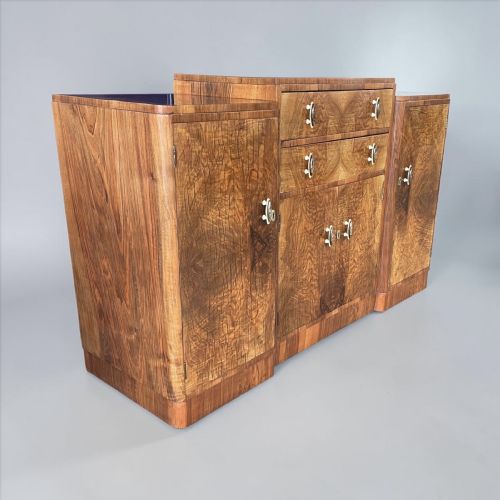
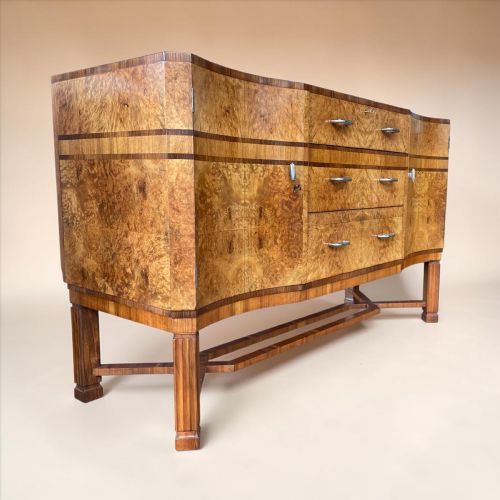
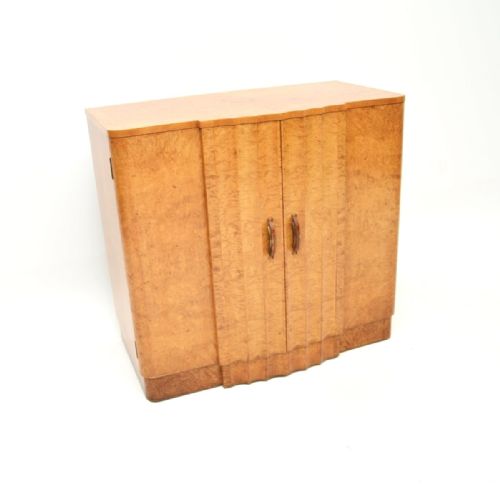
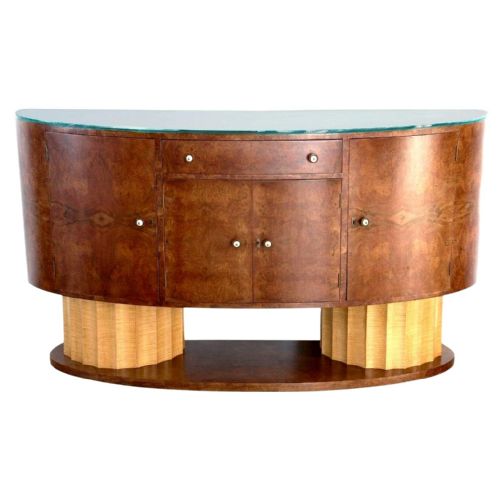
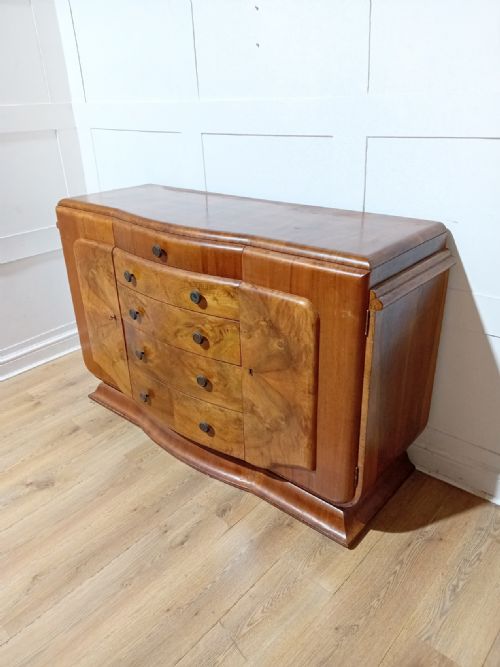
Cabinet-makers of the period relied heavily on walnut and burr walnut veneers applied over sturdy wooden carcases. These figured woods were frequently contrasted with lighter secondary timbers such as sycamore to create bold geometric patterns on the exterior surfaces.
Metal fittings such as brass handles and hardware provide functional accents that complement the clean lines of the design. The construction methods combine traditional joinery with the sleek, streamlined aesthetic characteristic of Art Deco design.
Moderne Sideboard Retail Price Guide 2026
Typical asking prices for moderne sideboard among the pieces listed under this phrase on Sellingantiques today, from the lower quarter to the upper quarter. They describe what is for sale here now, not the wider market.
Cabinet-makers of nineteen-thirty concealed cocktail compartments behind veneered doors so guests had to discover the hidden glassware themselves.
What varies in quality
The choice and matching of wood veneers distinguish finer pieces from standard production items. Master cabinet-makers carefully selected burr walnut to create symmetrical grain patterns across the front doors and drawers.
Attribution to notable makers and workshops elevates the standing of a piece considerably. Design complexity and the integration of specialised compartments, particularly in cocktail cabinets, also indicate superior craftsmanship.
Maurice Adams·Harry and Lou Epstein·Hille·Hamptons of Pall Mall London
The Moderne Sideboard Glossary
- Art Deco
- A design style characterised by streamlined shapes, geometric ornamentation, and modern materials prevalent during the nineteen-twenties and thirties. It influences the overall architecture and decorative motifs of these cabinets.
- Burr Walnut
- A specialised wood cut from walnut tree growths that produces intricate, swirling grain patterns. Cabinet-makers utilise these highly decorative veneers on primary display surfaces.
- Cocktail Cabinet
- A specialised storage piece designed for mixing and serving drinks, typically featuring mirrored interiors and glass shelves. These internal compartments often include dedicated spaces for glassware and bottles.
Moderne Sideboard: Frequently Asked Questions
What is a moderne sideboard?
A moderne sideboard is a storage cabinet originating from the Art Deco period of the nineteen-twenties and nineteen-thirties. These pieces combine geometric styling with practical interior space for dining and living rooms.
They serve as focal points in a room while providing functional storage for tableware, linens, or entertaining supplies.
How do I identify an Art Deco sideboard?
Art Deco sideboards are recognised by their clean lines, symmetrical forms, and the use of striking wood veneers like burr walnut. They often feature contrasting lighter woods such as sycamore and polished metal hardware.
Many examples date to around nineteen-thirty and display the characteristic streamlined aesthetic of British cabinet-making from that era.
Where were these sideboards used?
These cabinets were primarily designed for dining rooms as serving tables and storage units for hosting guests. Cocktail variations were also placed in reception rooms and drawing rooms for entertaining.
Today, they adapt easily to modern living spaces as credenzas or media units while retaining their original decorative presence.
What materials are used in these cabinets?
The primary visible materials consist of walnut and burr walnut veneers applied over solid wood structures. Sycamore is frequently incorporated to create contrasting borders and decorative geometric patterns.
Brass hardware and metal fittings provide functional details that complete the streamlined appearance of the furniture.