
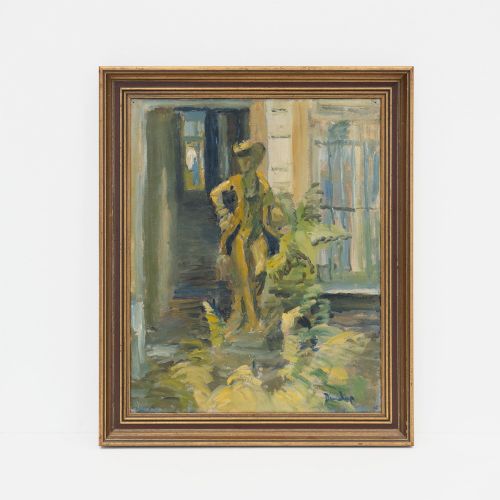


Modern Impressionist Landscape Art
Modern impressionist landscape art captures light and atmosphere through spirited brushwork, bringing lively scenes of the countryside and coast directly into a room.
Modern Impressionist Landscape Art
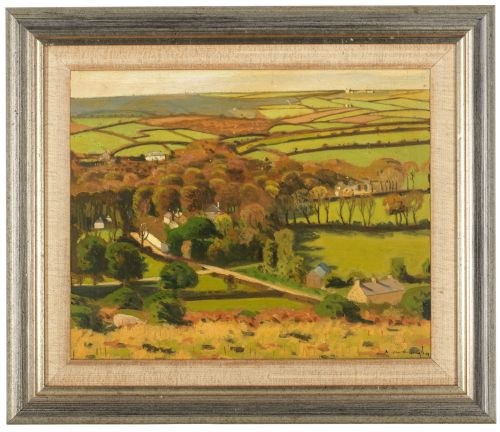
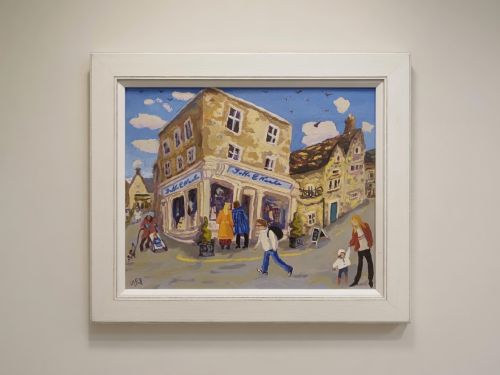
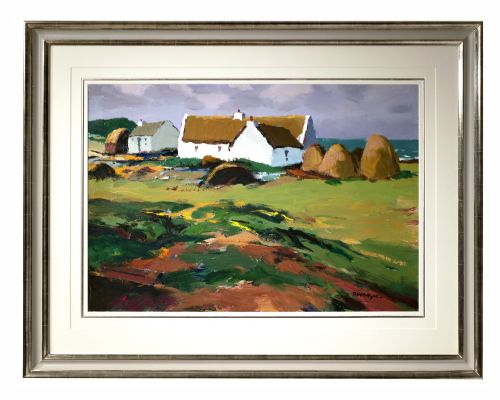
When you search for modern impressionist landscape art, you find works that apply loose, expressive brushstrokes to natural scenery, rural valleys, and city views. These paintings capture fleeting effects of light and weather rather than rigid detail, following the traditions of twentieth-century British, French, and post-impressionist movements.
The most common pieces on this page originate from the mid-twentieth century, specifically spanning the decades from the nineteen-twenties through to the nineteen-sixties. Artists of these periods recorded regional landscapes from Cornwall and Wales to French riversides, employing gestural marks to convey the essence of a place.
Subjects range from Welsh hills and Norfolk marshes to Parisian street scenes and African villages. The formats include compact wooden panels and expansive canvases, showing how artists of the era captured expansive vistas on diverse supports.
Materials and methods
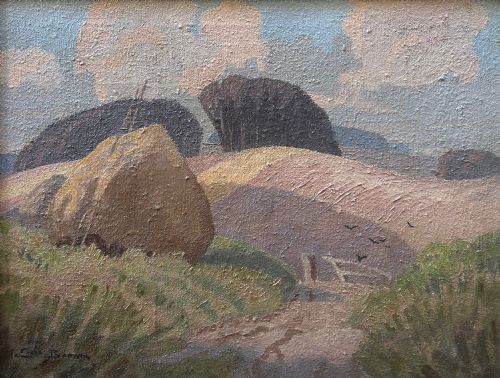
Artists painted primarily with oil paint, applying it to stretched canvas, wooden panels, or card. Oil offered the working time needed to blend tones directly or layer thick, textural impasto for skies and foliage.
Watercolour and mixed media appear on paper for lighter, more fluid atmospheric sketches. Supports were chosen for durability and texture, allowing the paint surface to hold energetic brush marks.
Frames and panels often bear the natural marks of their era, from wood grain showing beneath thin grounds to board supports used during periods of canvas scarcity.
Listings feature oil paint, watercolour, and ink across canvas, wood panels, paper, and glass from the Edwardian era to the nineteen-sixties.
Distinctions in quality
Quality rests on the confidence of the brushwork and the artist's command of light and tonal harmony. Superior examples use economy of line and colour to suggest depth and atmosphere with striking immediacy.
Compositional balance separates routine works from compelling ones, where the arrangement of form and space holds the viewer's eye across the entire surface. The interplay between pigment and support reveals the surety of the painter's hand.
Robert Morson Hughes·Lucy Pratt·Donald McIntyre·Ronald Ossory Dunlop·Edward Seago·Ron Folland·Jeffrey Pratt·Ernest Higgins Rigg·Nora Munro Summers·Hermoine Hammond·Markey Robinson·Peter Greenham·Alastair Flatterly
The Modern Impressionist Landscape Art Glossary
- Impasto
- Paint applied thickly to a canvas or panel, standing out in relief from the surface. This technique preserves the physical gesture of the brush and catches real light.
- Post-Impressionism
- An art movement extending beyond impressionist naturalism towards bolder colours and expressive forms. It prioritised emotional resonance over strict optical realism.
- Canvas
- Woven fabric stretched across a wooden frame to serve as a painting surface. It provides a slight spring under the brush and a textured ground for oil paint.
- Oil on board
- A painting executed on a rigid wooden or composition board rather than woven fabric. Boards offered a stable, flat support favoured for plein-air sketching.
Modern Impressionist Landscape Art: Frequently Asked Questions
What defines modern impressionist landscape art?
These works combine loose brushwork with natural scenery, focusing on light and mood rather than photographic precision.
They span early twentieth-century movements through to mid-century modernism, reflecting varied regional British and European landscapes.
How should I display an oil painting?
Hang paintings away from direct sunlight and steady radiators to protect the canvas and oil pigments from environmental extremes.
Ensure sturdy picture hooks support the weight of the frame and keep the work at eye level for optimal viewing.
How do I identify the date of a painting?
Look for artist signatures, exhibition labels, or inscriptions on the reverse of the canvas or wooden panel.
Stretched frames, framing materials, and the style of the brushwork often align with specific decades like the nineteen-twenties or nineteen-fifties.
What is the difference between canvas and board?
Canvas is woven fabric stretched over a wooden frame, offering a flexible surface that responds to the artist's touch.
Board provides a rigid, flat wooden or composite support that artists frequently used for portable landscape painting.