


Modern Expressionist Artwork
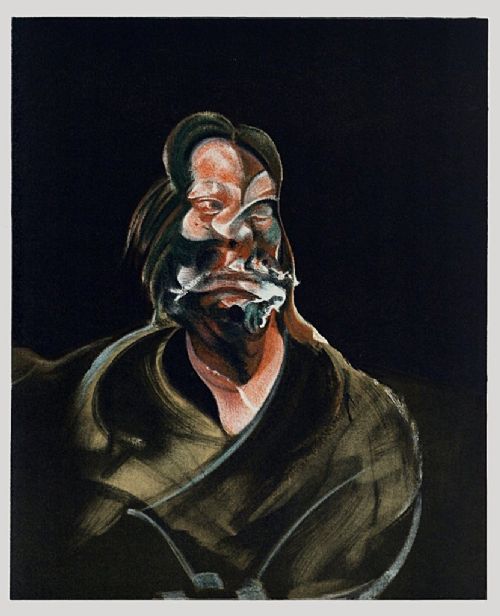
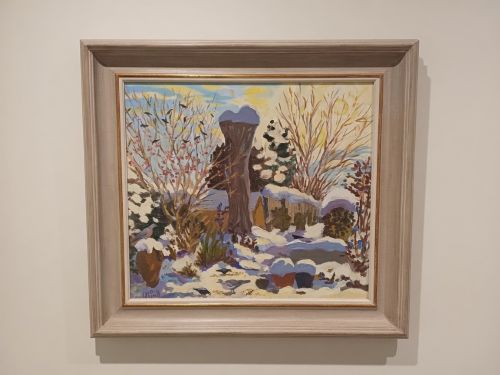
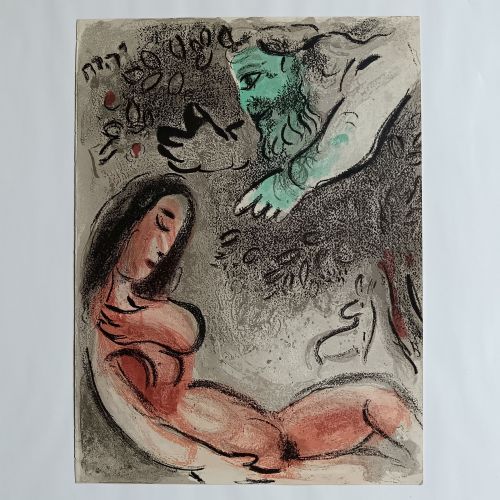
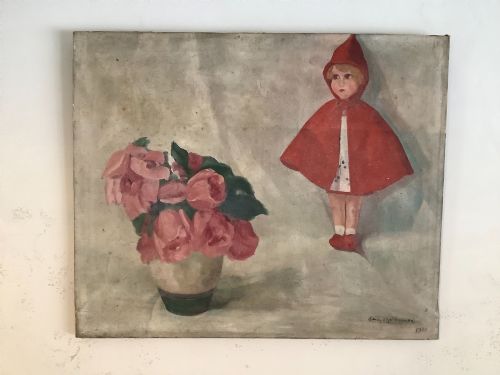
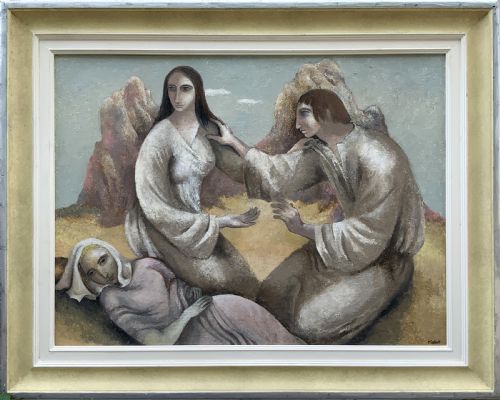
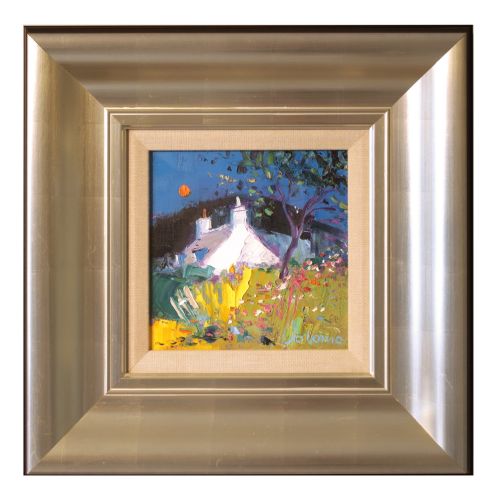
Modern expressionist artwork brings together mid-century canvases, prints and watercolours defined by bold brushwork and striking emotion.
Modern Expressionist Artwork
When you search for modern expressionist artwork, you encounter paintings, oil paintings, wall art, art prints, and fine art pieces originating primarily from the mid-twentieth century. The selection spans the nineteen-twenties through the nineteen-sixties, capturing movements like abstract expressionism, fauvism, and mid-century modernism.
The pieces you are most likely to meet on this page are oil paintings on canvas or board, alongside lithographs, watercolours, and mixed media works. These creations often depict portraits, cityscapes, landscapes, and abstract compositions produced across Britain, France, Spain, and Germany.
How they were made
Artists of this era applied oil paint, impasto, ink, and watercolour onto traditional supports such as canvas, paper, and board. The technique frequently relies on thick, tactile layers of pigment to build texture and depth.
Makers utilised wood frames to house many of these works, while printmakers employed lithography and woodcut methods to produce limited editions in colour.
Object types include wall art, art prints, paintings, and oil paintings created across Britain, France, Spain, and Germany.
What varies in quality
The strength of the composition and the confidence of the brushwork separate the most compelling pieces from simpler decorative items. Mastery of impasto and the dynamic interplay of colour determine the visual impact of an oil painting or canvas.
Provenance and documentation, such as exhibited histories or known artist signatures, elevate a work from an anonymous mid-century painting to a documented piece of fine art history.
Francis Bacon·Lucy Pratt·Marc Chagall·Christine Nesbit·John Lowrie Morrison·Joan Gillchrest·Tony Giles·Elisabeth Frink·Hazel M Barnett·Derek Latimer Sayer·Jean Hippolyte Marchand·Matisse·Antonio Ferri·Donald Mcintyre·Sir William George Gillies·Andre Delfau·Sonia Lawson·Raymond Arthur Roadnight·Kees van Dongen·Richards Rubin·Markey Robinson·Bernard Meninsky·William Ernst Burwell
The Modern Expressionist Artwork Glossary
- Impasto
- The process of laying paint on canvas in very thick applications, making brush or palette-knife marks clearly visible. This technique adds tactile depth and physical presence to modern expressionist canvases.
- Lithography
- A planographic printing process originating from a stone or metal plate, used extensively to produce fine art prints. Artists utilise this method to capture nuanced lines and tonal gradations.
- Abstract expressionism
- A post-Second World War art movement characterised by gestural brush-strokes and an emphasis on spontaneous creation. Works in this style prioritize the artist's inner emotional state over representational accuracy.
- Fauvism
- An early twentieth-century style involving strong colours and painterly qualities over realistic or natural values. Practitioners of this approach favoured flat planes and vibrant hues.
- Woodcut
- A relief printing technique where an artist carves an image into the surface of a block of wood. The remaining raised areas are inked and pressed onto paper to create the final print.
Modern Expressionist Artwork: Frequently Asked Questions
What defines modern expressionist artwork?
These pieces are characterised by an emphasis on emotional experience over physical reality, often featuring bold colours, visible brushwork, and abstracted forms.
The selection on this page primarily reflects mid-century European and British art movements spanning the nineteen-twenties to the nineteen-sixties.
How do I care for an oil painting on canvas?
Keep the artwork away from direct sunlight and fluctuating humidity levels to protect the canvas and the wooden support structure.
Dust the surface gently with a soft, dry brush and avoid using liquid cleaners on the paint or impasto.
Are these works original or printed?
The listings include both unique hand-painted works in oil or watercolour and original prints such as mid-century lithographs and woodcuts.
Each listing specifies the medium, indicating whether the piece is a direct painting on canvas or a printed edition.
How can I tell the period of a painting?
Examine the materials, framing style, and signature details alongside any written dates or artist lifespans provided in the description.
Mid-century works frequently utilise specific board types, canvas preparations, and framing techniques typical of the nineteen-fifties and nineteen-sixties.