






Modern Abstract Painting
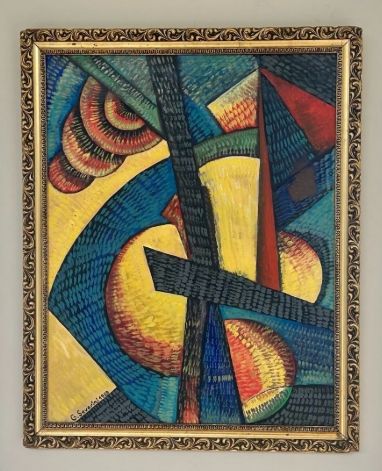
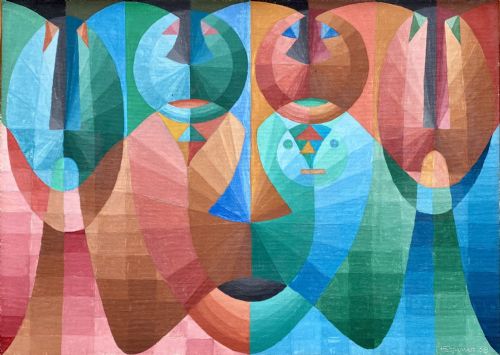
When you want a modern abstract painting, you are looking at mid-century canvases, boards, and papers shaped by expressive strokes and geometric layouts from the 1920s to the 1960s.
Modern Abstract Painting
A modern abstract painting brings together mid-century movements such as Abstract Expressionism, Cubism, and French Modernism into domestic spaces. Buyers pursuing a modern abstract painting find works ranging from vibrant op art geometries and cityscapes to abstracted landscapes and still lifes.
The selections span decades from the 1920s through the 1960s, capturing shifts in aesthetic approach across English, French, Spanish, and Scandinavian studios. These original works on canvas, board, and paper reflect the diverse experimental impulses of twentieth-century artists.
Most pieces you encounter on this page emerge from the mid-century modern period, carrying the characteristic palette and brushwork of the era. Whether framed or presented on board, they serve as focal points for contemporary interiors.
How they were made
Makers applied oil paint, acrylic, or gouache directly onto supports of canvas, wood board, paper, or glass. The application ranges from flat, controlled planes of colour to thick, textured impasto strokes that build surface relief.
Artists utilised various preparatory grounds and supports, working on stretched canvas or rigid boards to achieve different tonal absorption and brush resistance. Many pieces incorporate mixed media layers, pencil underdrawings, or scraped pigments to develop complex spatial depths.
Modern Abstract Painting Retail Price Guide 2026
Typical asking prices for modern abstract painting among the pieces listed under this phrase on Sellingantiques today, from the lower quarter to the upper quarter. They describe what is for sale here now, not the wider market.
The documented periods span across the decades of 1920, 1930, 1940, 1950, and 1960.
What varies in quality
The strength of a composition dictates its visual impact, separating resolved geometric or gestural arrangements from weaker designs. Balance of colour, dynamic tension between forms, and the confidence of the brushwork determine the overall success of the piece.
Provenance and documentation anchor the standing of individual works, alongside the artist's exhibition history or association with known schools such as St Ives. The physical stability of the original materials and the preservation of the paint surface also influence the standing of the work.
Tony Giles·Denis Mitchell·Edward Carter Preston·Derek Latimer Sayer·Antonio Ferri·Richards Rubin·William Ernst Burwell
The Modern Abstract Painting Glossary
- Impasto
- Paint applied thickly to a canvas or board, standing out in relief from the surface so that the brush or palette knife marks remain visible.
- Gouache
- An opaque water-based paint that dries to a matte finish, frequently used on paper surfaces during the mid-century period.
- Cubism
- An early twentieth-century avant-garde art style that revolutionized European painting by breaking subjects down into multi-angled geometric planes.
- Op art
- A style of visual art that uses optical illusions, employing abstract patterns with sharp contrast in black and white or vibrant colours.
- St Ives School
- A group of artists based in Cornwall associated with modern British abstract painting and sculpture from the mid-century decades.
Modern Abstract Painting: Frequently Asked Questions
How do I hang a large canvas?
Support heavy framed oil paintings with robust fixings screwed directly into wall studs or masonry anchors. Ensure the hanging wire and brackets match the weight of the wooden stretcher frame.
Position the centre of the canvas at eye level to establish a balanced visual focal point within the room.
Are these paintings original works?
The listings consist of original painted works executed by hand on canvas, board, or paper rather than mechanical reproductions or prints. Each piece bears the unique brushstrokes and material signatures of its maker.
Signatures, dates, and inscriptions found on the front or reverse often provide additional confirmation of the work's origin.
How should I clean my painting?
Dust unglazed canvas and board surfaces gently with a soft, dry brush to remove airborne particles. Avoid using water, damp cloths, or chemical solvents on the paint layer.
Consult a professional conservator if the surface requires deeper cleaning or stabilization of the pigment.
What lighting suits these works?
Display paintings away from direct, harsh sunlight to prevent the fading of oil and gouache pigments over time. Diffused ambient light or dedicated picture lights with low heat emission preserve the integrity of the materials.
Consider the texture of impasto strokes when positioning light sources to create subtle shadows without causing distracting glare.