











Model Ship Display
Model ship display pieces bring maritime history into the room through cased dioramas, carved hulls, and intricate bottles.
Model Ship Display
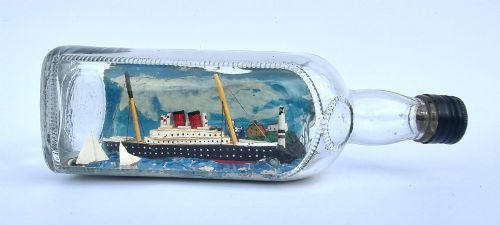
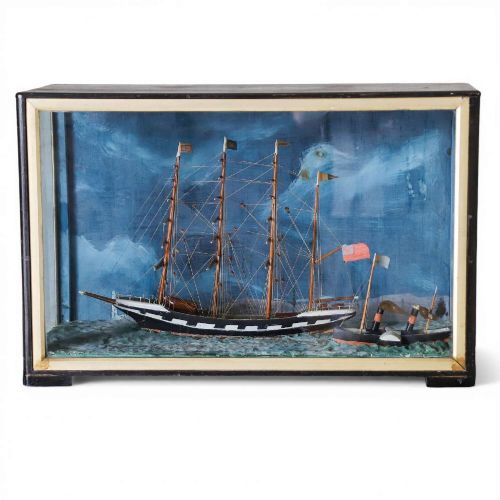
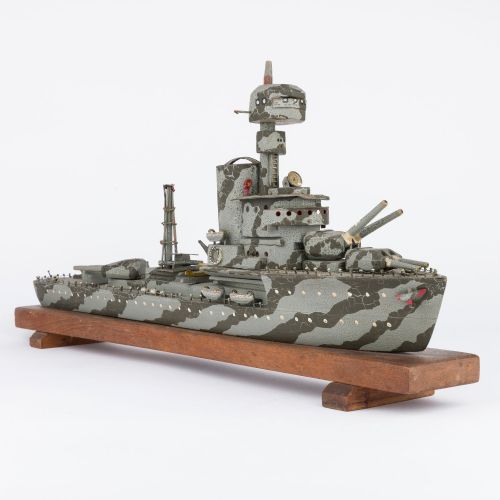
A model ship display encompasses cased dioramas, shadow boxes, bottles, and pond yachts that capture naval and merchant vessels in miniature. These objects preserve the appearance of historical sailing ships, steam vessels, and racing yachts through three-dimensional representations.
The most common examples on this page date from the nineteenth century into the early twentieth century, spanning Victorian and Edwardian periods. Buyers encounter folk art interpretations alongside precise scale models and training vessels.
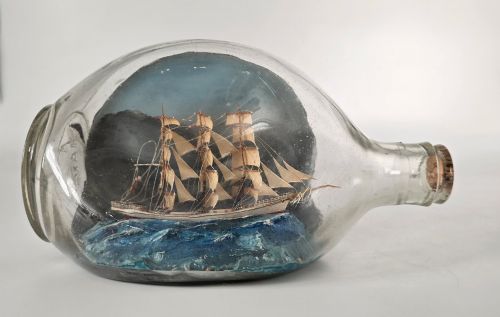
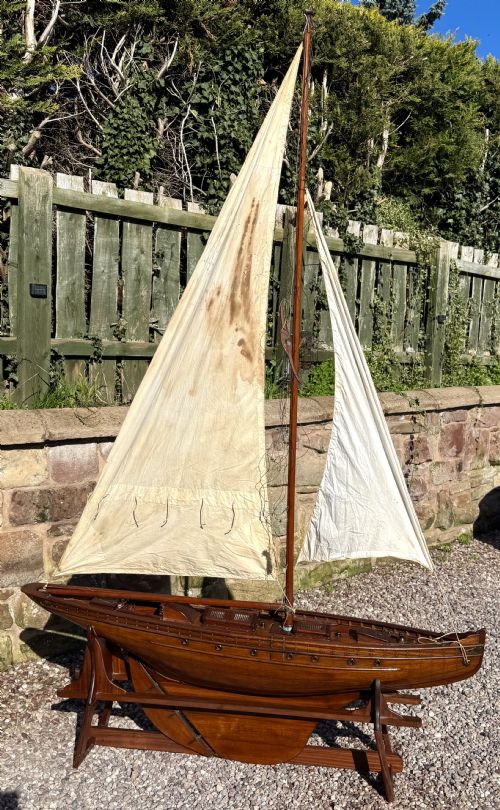
Forms vary from vessels enclosed in glass shadow boxes and glass bottles to large pond yachts mounted on stands and carved wooden hulls. Each style reflects the maritime interests and craftsmanship of its specific era.
Materials and construction
Maker construction relies heavily on carved wood and paint, utilising canvas, thread, metal, brass, and plaster to build rigging, hulls, and seascapes. Artisans shaped sycamore and other timbers to form hulls, while thread and canvas supplied realistic rigging and sails.
Many nineteenth-century examples incorporate painted plaster or layered textiles to render dynamic seas and turneresque backgrounds behind the vessels. Enclosed pieces employ glass cases or bottles to protect delicate paper, straw work, and thread components from dust and damage.
Model Ship Display Retail Price Guide 2026
Typical asking prices for model ship display among the pieces listed under this phrase on Sellingantiques today, from the lower quarter to the upper quarter. They describe what is for sale here now, not the wider market.
Listings feature works from the Victorian and Edwardian eras, incorporating wood, brass, glass, canvas, and thread.
Distinctions in quality
Quality in a model ship display rests upon the fineness of the carving, the accuracy of the rigging, and the preservation of the surrounding diorama case. Superior pieces demonstrate detailed scratch-building techniques that faithfully replicate named vessels like the Glynllifon or HMS Endevour.
The integration of the painted seascape and the condition of the enclosing glass or bottle significantly influence the visual impact. Finer works display careful proportion in the hull and masts, whereas naive folk art pieces prioritize expressive character over strict scale.
The Model Ship Display Glossary
- Diorama
- A three-dimensional scene enclosed in a case, often featuring a model ship set against a painted maritime backdrop.
- Shadow box
- A deep, glazed wooden frame used to display model vessels and nautical scenes in relief.
- Pond yacht
- A large-scale model sailing boat designed for recreational use on water, often fitted with a display stand.
- Scratch build
- A model constructed entirely from raw materials and plans rather than from a commercial kit.
- Barque
- A sailing vessel with three or more masts having the fore- and mainmasts square-rigged and the mizzenmast fore-and-aft rigged.
Model Ship Display: Frequently Asked Questions
How do I display a pond yacht?
Large pond yachts require sturdy floor stands or dedicated shelving due to their substantial dimensions. Placing them away from direct sunlight protects the painted wooden hulls and textile sails from fading.
Ensuring adequate clearance around the model allows the full form of the hull and mast configuration to be appreciated within the room.
Are ships in bottles difficult to make?
Ships in bottles are constructed by building the vessel with hinged masts that fold down flat along the deck. The model is inserted through the narrow neck of the bottle and pulled upright using attached threads.
Maker skill determines the complexity of the rigging and the detail of the painted sea visible inside the glass vessel.
How are nineteenth century models dated?
Dating relies on construction materials, specific vessel names recorded in naval history, and stylistic markers of the Victorian and Edwardian periods. Documentation such as inscriptions on the base or within the diorama often provides specific dates or the name of the ship.
Folk art pieces utilise traditional hand-carving techniques and materials characteristic of nineteenth-century workshops.